North Vietnam · Culture
Ca Tru in Hanoi (Ca Trù): Where and When to Hear It
Ca tru in Hanoi as of November 2026: free Saturday shows and classes at Bich Cau, the Thai Ha guild in Tay Ho, Old Quarter Tet nights, and what to expect.
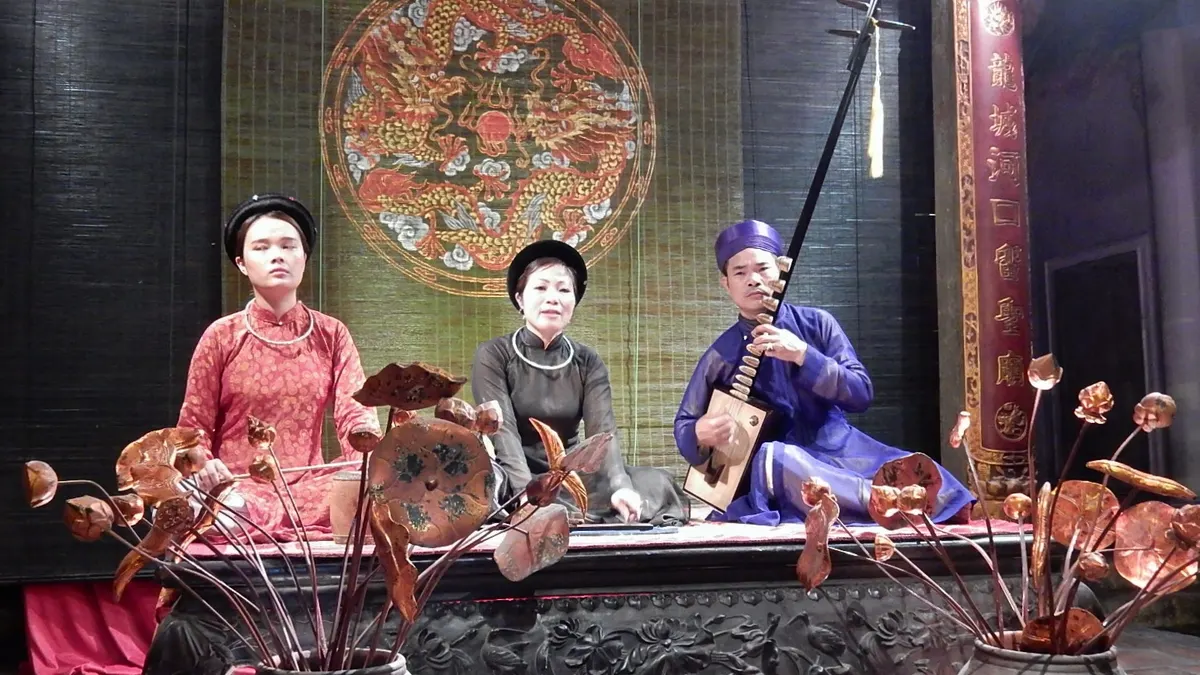
The easiest way to hear ca tru in Hanoi is to go on a Saturday to Bich Cau Dao Quan on Cat Linh street, where the Bich Cau Ca Tru Theatre gives a free evening show and a free class in the afternoon; DTiNews and Viet Nam News reported both in July 2026, and Dai Bieu Nhan Dan confirmed on 21 November 2026 that the weekly class still runs. No ticket is needed. The other regular option is the Thai Ha ca tru guild at the CADAO Collective in Tay Ho, a heritage venue that opened on 10 July 2026. As of November 2026 the art is still on UNESCO’s urgent safeguarding list, and Vietnam’s next report to UNESCO on it is due by 30 June 2027. Shows are run by clubs rather than theatres, so confirm the day before you go.
Ca tru (ca trù) is the sung poetry of northern Vietnam: one woman singer, a lute, a drum and a classical poem, performed for a small, attentive audience. It is also one of Vietnam’s most endangered arts: UNESCO has kept it on its list of heritage in need of urgent safeguarding since 2009 (UNESCO).
Hanoi is its biggest centre and the easiest place for a visitor to hear it, which is why it belongs in any evening plan for the capital; our Hanoi city guide covers the rest of the city. This page explains what you are listening to, why the art nearly disappeared, where else in the North it lives, how it differs from the other genres in our guide to Vietnamese culture by region, and how to hear it today. Dates and venues come from UNESCO, Vietnam’s Institute for Musicology and national press, each with its date.
| Ca tru at a glance | |
|---|---|
| What it is | Sung poetry for a small group: singer with clappers, dan day lute, praise drum |
| Other names | Hat a dao, hat co dau (after the women singers) |
| Where | Northern and north-central Vietnam; Hanoi is the largest centre |
| Repertoire | 56 musical forms (the cach), according to UNESCO; hat noi is the best-known poetic form |
| Status | UNESCO Urgent Safeguarding List since 2009, still listed in November 2026 |
| Hear it in Hanoi | Bich Cau Dao Quan (free weekend evenings in 2026), Old Quarter venues on festival nights |
What is ca tru, and how does a performance work?
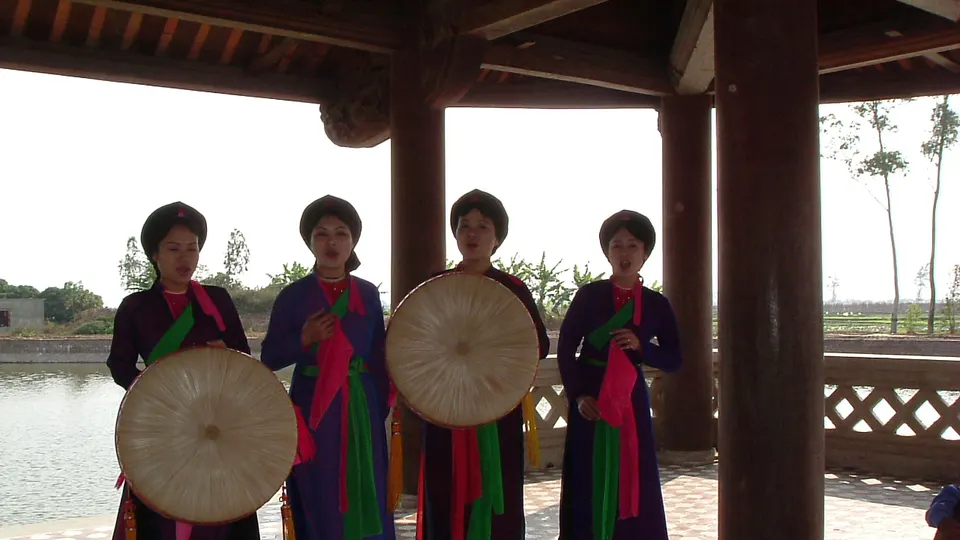
A ca tru performance needs three people. UNESCO describes a female singer who uses special breathing and vibrato and keeps time on clappers or a small wooden box, and two instrumentalists: one on a three-stringed lute with a deep tone, the other on a praise drum.
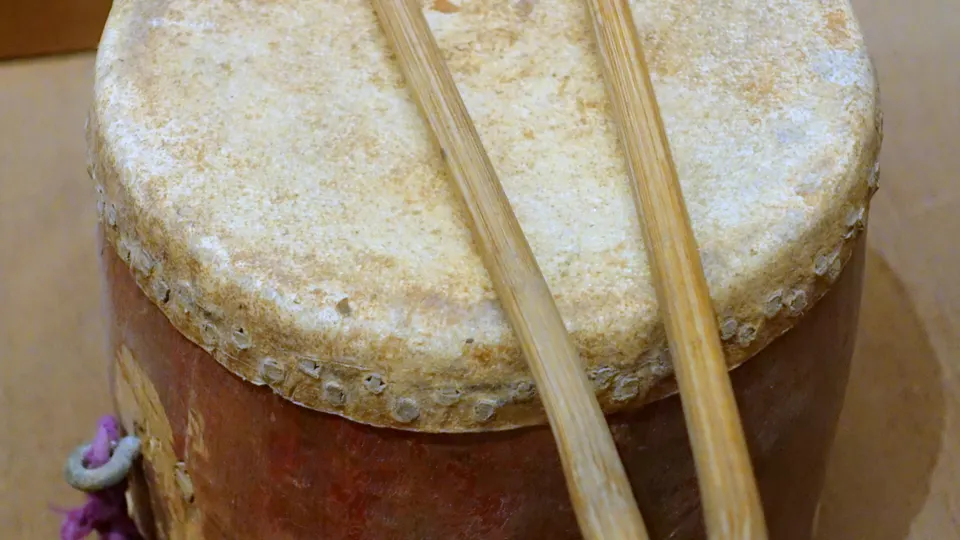
The singer and her clappers. The singer is the dao nuong (đào nương), sometimes called ca nuong. She keeps the beat on the phach, a struck wooden instrument held in her hands, while she sings. Since its city years ca tru has been chamber music, made for a room rather than a stage.
The lute. The kep dan (lute player) accompanies her on the dan day, a long-necked lute with three strings and a deep tone.
The drum, played by a listener. The third instrument, the small trong chau drum, belongs not to a musician but to a connoisseur, the quan vien or cam chau. He strikes it to mark the sections and lines and to praise or criticise the singer, with named stroke patterns, Nhan Dan explained in 2024. Traditionally this was a scholar or poet; the paper calls the drummer the “guest of the poem”, the audience in person.
Poetry first. The texts are classical poems, many full of Sino-Vietnamese words and literary allusions. The best-known form is hat noi (“sung speech”), which is both a verse form and one of ca tru’s modes; the 19th-century mandarin and poet Nguyen Cong Tru is credited with bringing it into literature, and about 63 of his hat noi survive (Bao Ha Tinh, 2018). UNESCO counts 56 musical forms in all, used for worship singing at village temples, entertainment, singing in royal palaces and competitive singing.
Where did ca tru come from, and why did it nearly disappear?
No one knows exactly when ca tru began. Viet Nam News says it flourished in the 15th century; the village of Co Dam in Ha Tinh dates its own tradition to the early 15th century, and VietNamNet (2011) reports claims that it goes back to the Ly dynasty about 1,000 years ago. Treat the early dates as tradition rather than record.
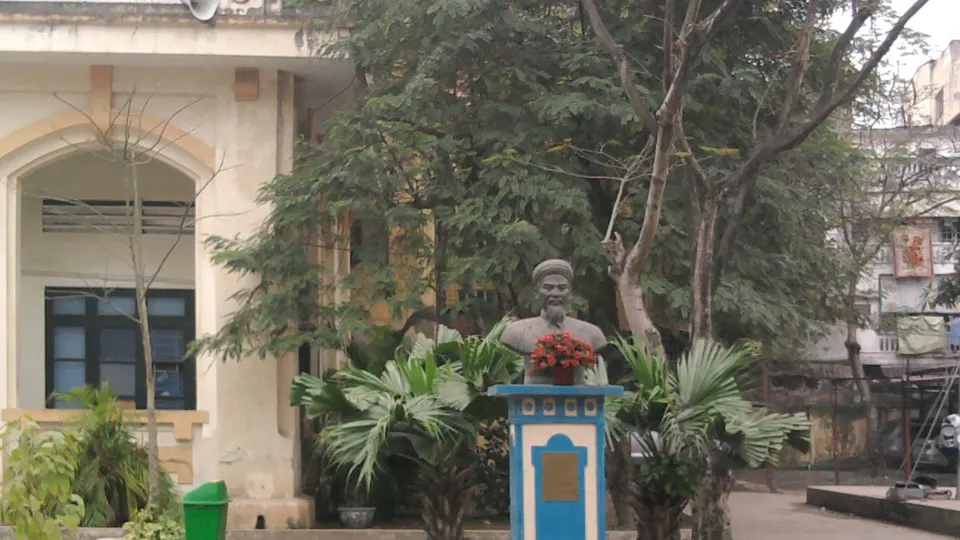
Temple, court and scholars. For centuries ca tru was tied to Confucian scholar culture. Singers performed hat cua dinh, worship singing at the communal house during village festivals, sang at celebrations in wealthy homes, and were invited to palaces. Poets such as Nguyen Cong Tru, Cao Ba Quat, Tan Da and Duong Khue wrote for it, Viet Nam News notes.
The city singing houses. In the first half of the 20th century, as the old scholar class faded, ca tru moved into singing houses in the cities, above all Hanoi, where it became a true chamber art (Nhan Dan, 2024). Under French rule Hanoi had many such houses with professional women singers. The art’s other names, a dao and co dau, refer to these women singers, Viet Nam News notes.
Silence after 1954. After the war with France ended in 1954, the new government closed the singing houses, citing prostitution, gambling and opium use, and in the 1960s and early 1970s cultural cadres treated the genre as ideologically unsuitable, so it was largely silenced (Smithsonian Folkways). UNESCO adds wars and lack of awareness to the causes. The stigma lasted: respectable families did not want their daughters to sing it, VietNamNet reported.
The few who kept it. The singer Quach Thi Ho (1913–2001) carried the art through those decades; the musicologist Tran Van Khe recorded her in 1976 and she became a People’s Artist in 1988. Ca tru began to reappear in public around 1995, when the Thai Ha ensemble led by Nguyen Van Mui became the leading group, and a national festival at the Hanoi Opera House followed in 2006, according to Smithsonian Folkways.
Is ca tru only from Hanoi?
No. Ca tru belongs to a wide band of northern and north-central Vietnam, from the Red River Delta down the coast to Ha Tinh and the former Quang Binh province (since July 2025 part of Quang Tri). Vietnam’s Institute for Musicology says it is practised in 15 provinces, and its 2011 national festival drew 23 groups, about 140 people, from 14 of them.
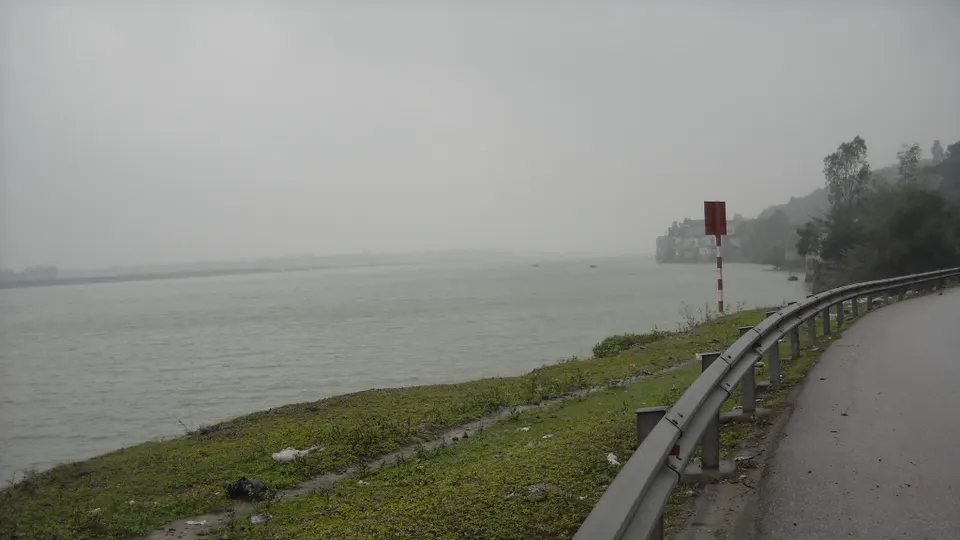
In May 2025 the Ministry of Culture asked 15 localities to report on the state of ca tru for Vietnam’s periodic report to UNESCO, which is due every four years (Bao Van Hoa). Since 1 July 2025 many of them have merged, so the same list now covers 11 provincial units:
| Locality on the 2025 list | Unit since July 2025 |
|---|---|
| Hanoi | Hanoi |
| Bac Giang, Bac Ninh | Bac Ninh (a centrally governed city since September 2026) |
| Hai Duong, Hai Phong | Hai Phong |
| Hung Yen, Thai Binh | Hung Yen |
| Nam Dinh | Ninh Binh |
| Phu Tho, Vinh Phuc | Phu Tho |
| Thanh Hoa, Nghe An, Ha Tinh | Unchanged |
| Quang Binh | Quang Tri |
| Ho Chi Minh City | Ho Chi Minh City (enlarged) |
Local styles. The styles differ. Co Dam (Cổ Đạm), a village in Ha Tinh that calls itself the cradle of ca tru, sings faster with a sharper, clearer rhythm and fewer long ornaments than northern groups, and Nguyen Cong Tru, who came from the same area, was its patron; in 2021 its club had 14 women singers and one man and met weekly (Luat su Viet Nam, 2021). The Institute for Musicology singles out the styles of Co Dam, Dien Chau in Nghe An and Quang Binh.
Hanoi’s villages. Even inside Hanoi, ca tru is as much a village art as a city one: VietnamPlus lists clubs in Lo Khe, Dong Chu, Ngai Cau and Chanh Thon on the city’s outskirts alongside those in the centre.
Ca tru vs quan ho, Hue music and don ca tai tu
Ca tru is often lumped together with Vietnam’s other UNESCO-listed singing traditions, but it differs from each in purpose, ensemble and setting. The closest relatives are chamber arts in other regions, not its northern neighbour quan ho.
| Ca tru | Quan ho | Nha nhac | Ca Hue | Don ca tai tu | |
|---|---|---|---|---|---|
| Region | North and north-central | Bac Ninh (incl. former Bac Giang) | Hue (court) | Hue | Mekong Delta and Saigon |
| Who performs | Woman singer, lute player, drummer-listener | Pairs of women and men from different villages | Large court orchestra with singers and dancers | A few singers, 4–5 string instruments | A few friends: strings and a singer |
| Instruments | Phach clappers, dan day lute, trong chau drum | Voices in alternating pairs | Drums, winds, strings, percussion | Moon lute, zither, fiddle and others | Moon lute, zither, fiddle and others |
| Original setting | Temple rites, scholars’ gatherings, city singing houses | Village festivals, call-and-response between villages | Royal ceremonies | Palaces and elite homes, later Perfume River boats | Homes, death anniversaries, festivals |
| Status | UNESCO urgent safeguarding, 2009 | UNESCO Representative List, 2009 | UNESCO, proclaimed 2003, Representative List 2008 | National heritage 2015; UNESCO dossier in preparation | UNESCO Representative List, 2013 |
Quan ho is the other famous northern song, but it is a folk dialogue: two women from one village sing in harmony and two men from another village answer with similar melodies and different words (UNESCO). It was inscribed on the Representative List in the same year ca tru went on the urgent list, which says a lot about how differently the two had survived.
Hue and the South. Hue’s nha nhac court music and ca Hue chamber singing are explained in our guide to Hue court music and ca Hue; the southern chamber tradition is in our guide to don ca tai tu. Ca Hue and don ca tai tu are the nearest equivalents to ca tru: small groups, refined poetry, and listeners who know the pieces.
Is ca tru still endangered?
Yes, officially and in practice, though it is in better health than in 2009. UNESCO’s page still lists ca tru on the Urgent Safeguarding List, with periodic reports from Vietnam in 2013, 2017 and 2021 and the next due by 30 June 2027; we found no proposal to move it to the Representative List.
Why UNESCO still worries. When it inscribed ca tru in 2009, UNESCO’s committee noted renewed interest but said its survival was at risk because of the small number of musicians, limited funding, the loss of traditional venues and rapid social change. Its page still names too few and ageing practitioners and long, demanding training. In August 2026 Tran Koong, deputy director of the UNESCO Hanoi Traditional Arts Centre, named the same problems: little space to perform, few ways for artists to earn a living and a modest audience (Bao Van Hoa).
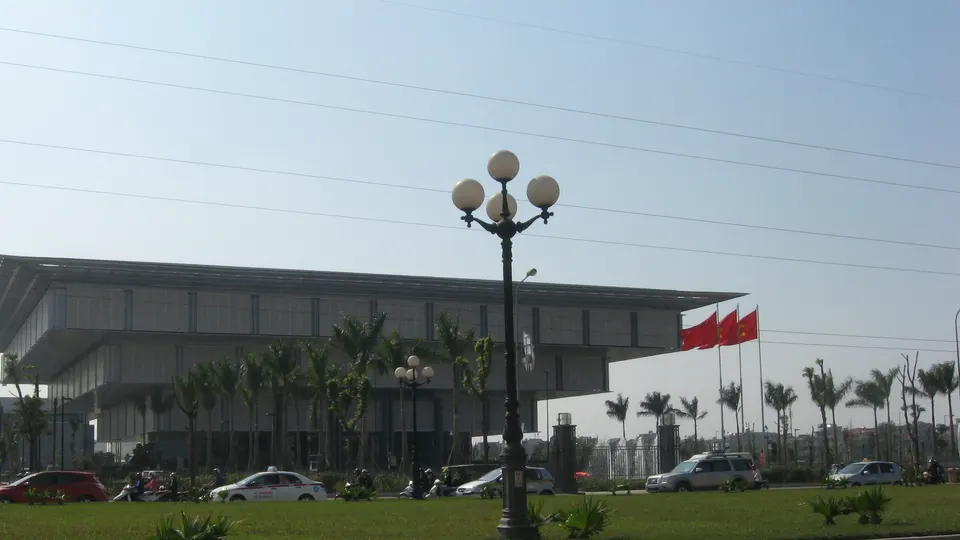
Signs of revival. Hanoi had 14 active clubs and groups by 2020, with more than 50 people able to teach and more than 200 performers, and the most honoured ca tru artists in the country (VietnamPlus). At the fourth Hanoi Ca Tru Festival, held at the Hanoi Museum on 27–28 September 2025, 21 clubs and 105 contestants aged 8 to 86 competed as singers, lute players and drummers, two and a half times as many contestants as the previous festival (Bao Van Hoa, September 2025).
Tradition and today. What has not come back is the old audience. The original quan vien, the scholar who judged the singer with his drum, has all but disappeared, Nhan Dan wrote in 2024, although a new generation of drummers is learning the role in clubs. Many forms survive only on paper, Nhan Dan noted again in 2026.
Where can you hear ca tru in Hanoi today?
At a handful of clubs and temples, mostly on weekend evenings, and at Old Quarter festival events. Schedules change and most shows are run by clubs, so treat the dates below as the most recent we could verify, not a timetable.
Which ca tru option suits you? The table sums up what each venue offered in its most recent dated report; nothing here is a fixed timetable.
| Option | When (latest dated report) | Cost | Best for |
|---|---|---|---|
| Bich Cau Ca Tru Theatre, Bich Cau Dao Quan, Cat Linh street | Saturday evenings (DTiNews, 15 July 2026; Viet Nam News, 24 July 2026) | Free | A first, unhurried listen in a temple setting; easy to pair with the Temple of Literature nearby |
| Bich Cau class, same temple | Saturday afternoons, every week since 2008 (VOV, 3 September 2026) | Free | Trying the clappers or lute, or watching how singers are trained |
| Thai Ha guild at CADAO Collective, 66 To Ngoc Van, Tay Ho | Regular shows since the venue opened on 10 July 2026 (Dai Bieu Nhan Dan); no published timetable | Not published; ask the venue | Senior artists, including People’s Artist Thanh Hoai, plus water puppets and xam in one evening |
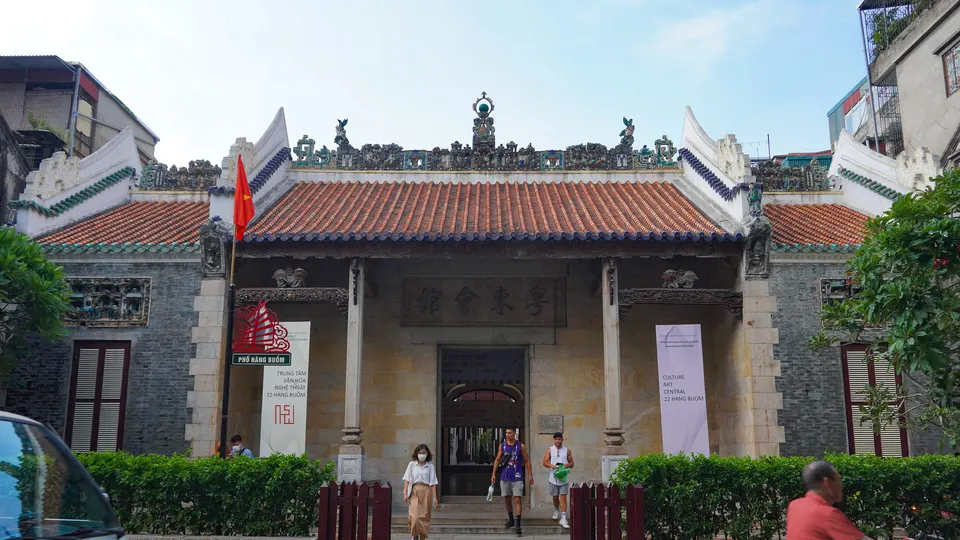
| Old Quarter Tet night, 22 Hang Buom | Annual Tet Viet – Tet Pho programme: 8 pm, 12 February 2026; Tet 2027 dates not yet announced (November 2026) | Free | Visitors in Hanoi in the weeks before Tet |
| Kim Ngan communal house (42–44 Hang Bac) and Quan De temple, Old Quarter | Weekly club nights reported in 2020 and 2015; in November 2026 Kim Ngan hosts a crafts exhibition instead | Ask at the door | Visitors who are already in the Old Quarter and can check in person |
| One-off events, e.g. “Trai chieu thu ca” at the Hanoi Museum’s creative hub | 21 November 2026: talk, live singing and a short lesson with Bich Cau artists | Free | Younger visitors and anyone who wants a talk in Vietnamese plus a taste lesson |
| Hanoi Ca Tru Festival, Hanoi Museum | 27–28 September 2025 (fourth edition); next date not yet announced | Free to watch in 2025 | Hearing many clubs and styles at once |
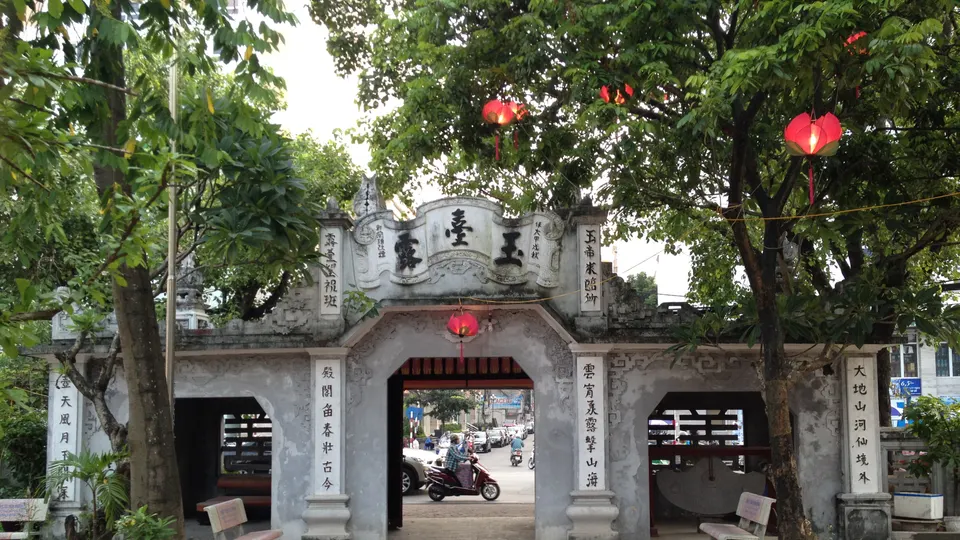
Bich Cau Dao Quan, Cat Linh street. This old Taoist temple is home to the free ca tru class that Meritorious Artist Nguyen Thi Van Mai and her husband Tran Van Truc have run since 2008, on Saturday afternoons. Their Bich Cau Ca Tru Theatre gives free shows there on Saturday nights, and since early 2026 about ten international groups a month have visited (Viet Nam News). Nhan Dan and Bao Van Hoa, writing in July and August 2026, describe the shows as free weekend-evening performances.
Latest checks (November 2026). DTiNews confirmed on 15 July 2026 that the class meets every Saturday afternoon and the theatre gives free performances every Saturday evening. On 3 September 2026 the national broadcaster VOV described the Bich Cau club’s class as free, with the masters teaching every weekend. The theatre itself dates from 2017, and the class now has about 10 to 20 regular learners, around 30 of whom can sing, play or drum (DTiNews).
CADAO Collective, Tay Ho. A newer option is the CADAO Collective at 66 To Ngoc Van street, near West Lake, which opened on 10 July 2026 and presents ca tru alongside water puppetry and xam, the street songs of wandering singers. Its ca tru room is run by the Thai Ha ca tru guild, which Dai Bieu Nhan Dan reported on 12 July 2026 would perform there regularly and teach, with People’s Artist Thanh Hoai as singer; the Vietnam News Agency confirmed the opening on 18 July 2026. Neither gave a schedule or prices. As of November 2026 we found no published 2026 ticket prices for any paid ca tru show in Hanoi. Some travel sites still list nightly ticketed shows at fixed prices in the Old Quarter, but none we opened gave a source or a dated 2026 schedule, so check at the venue.
The Old Quarter. Before Tet 2026, on 12 February, the Old Quarter’s management board staged a free ca tru evening at the cultural centre at 22 Hang Buom, with the Long Thanh club and artisans from the Lo Khe club, covering forms from the ceremonial thet nhac to hat noi and recited poetry (Hanoi Times). The weekend walking streets around Hang Buom, Ma May and Ta Hien have also featured ca tru; see our guide to Hanoi’s Old Quarter streets.
Long-running club venues. Kim Ngan communal house at 42–44 Hang Bac street and the Quan De temple at 28 Hang Buom have hosted ca tru clubs for years: VietnamPlus listed both, with Bich Cau, as weekly venues in 2020, and the Thang Long club was playing at Quan De on Friday to Sunday evenings in 2015 (Vietnam Pictorial). We found no dated 2026 schedule for either. Through November 2026 Kim Ngan is one of ten Old Quarter venues in a month-long heritage programme for Vietnam Culture Day (24 November), but its slot is a crafts exhibition with bronze-casting and pottery demonstrations, not ca tru (Viet Nam News, 6 November 2026). Ask your hotel or at the door before building an evening around either venue.
Festivals. The Hanoi Ca Tru Festival is the best chance to hear many clubs at once; the 2025 edition was the fourth. The weeks before the Tet holiday also bring free heritage performances to the Old Quarter. If your evening is already full, the city’s other classic show is the water puppets; our guide compares the Hanoi water puppet theatres.
When should you go, and how do you plan a ca tru evening?
Plan around a Saturday. As of November 2026, Bich Cau’s Saturday class and evening show are the only ca tru dates in Hanoi with a regular weekly rhythm confirmed in recent press; everything else depends on a club’s calendar or a festival. On 21 November 2026, for example, Bich Cau artists led a free talk and taster lesson for students at the Hanoi Museum’s creative hub, and Meritorious Artisan Van Mai told the paper she hopes ca tru can soon come off UNESCO’s urgent list (Dai Bieu Nhan Dan).
| When | What is on (latest dated report) | What to do |
|---|---|---|
| Saturday afternoon | Free class at Bich Cau Dao Quan in singing, dan day lute and trong chau drum, open to all ages (Dai Doan Ket, 16 July 2026; still running 21 November 2026) | Watch quietly or ask to join; good if you want to see how the art is taught |
| Saturday evening | Free show by the Bich Cau Ca Tru Theatre at the same temple (DTiNews, 15 July 2026) | The best first concert; stay for the whole set |
| Other evenings | No dated 2026 timetable for the Old Quarter clubs; CADAO Collective in Tay Ho has published none | Ask your hotel or call the venue the day before |
| Late November | Vietnam Cultural Heritage Day (23 November) and Culture Day (24 November) bring one-off heritage events, such as the ca tru talk on 21 November 2026 | Watch the national press in the week before |
| The weeks before Tet | Old Quarter Tet Viet – Tet Pho programme: free ca tru night at 22 Hang Buom, 8 pm on 12 February 2026 | Look for the Tet 2027 programme in January; see our Tet 2027 travel guide |
| Festival years | Hanoi Ca Tru Festival, fourth edition 27–28 September 2025; next date not announced | Best for hearing many clubs at once |
A simple plan.
- Choose a Saturday and keep the evening free; the class runs in the afternoon and the show after dark at the same temple on Cat Linh street, west of the Old Quarter.
- Read the roles first. Know who leads (the singer and her clappers), who follows (the lute) and who judges (the drummer); the section above explains them.
- Confirm the day before. Shows are run by clubs, not box offices, so a festival, a funeral or a rehearsal can move them.
- Pair it with an Old Quarter evening on another night if you want more: the walking streets and heritage houses host ca tru mainly around Tet and festival dates.
How to listen to ca tru respectfully
Treat a ca tru evening as a chamber concert in a sacred or historic building, not a dinner show. The music is quiet, the words matter, and the drummer’s strokes are part of the performance.
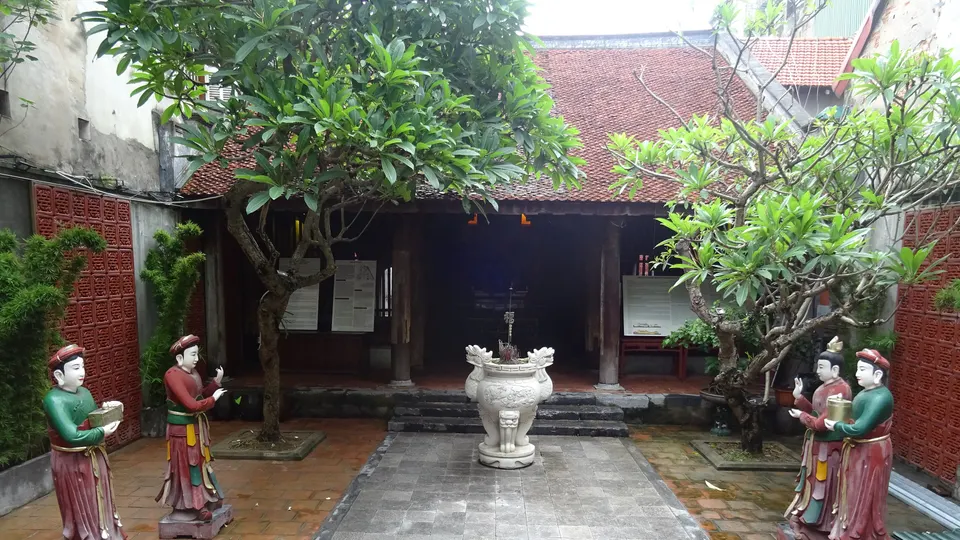
- Arrive before it starts and stay seated. The rooms are small, often temples or communal houses, and late arrivals are heard. Dress as you would for a temple visit.
- Leave the drum to the drummer. The trong chau belongs to the quan vien, who marks the verses and judges the singer with set strokes (Nhan Dan). Some clubs have invited visitors to try the instruments after the show, with the performers’ help (Vietnam Pictorial, 2015); wait to be asked.
- Listen for the clappers. The singer’s phach keeps the rhythm and the lute follows her; the drum strokes mark the sections and lines. Knowing who leads helps you hear the structure.
- Ask before filming, and avoid flash. Many performers are older artisans and club members; a short recording after asking is fine, a phone held up all evening is not.
- Support the art. Where a show is free, as at Bich Cau in 2026, it is kept going by artists who teach without fees. Buying a ticket where there is one, or joining a class, helps more than a photo.
For the rest of a Hanoi stay, our three-day Hanoi itinerary leaves room for an evening concert, and the North Vietnam guide covers the region beyond the capital.
Frequently asked questions
Where can I hear ca tru in Hanoi this weekend?
The surest option is the free Saturday-evening show of the Bich Cau Ca Tru Theatre at Bich Cau Dao Quan on Cat Linh street, reported by DTiNews and Viet Nam News in July 2026; its free weekly class was still running in late November 2026, according to Dai Bieu Nhan Dan. The Thai Ha ca tru guild also performs at the CADAO Collective, 66 To Ngoc Van in Tay Ho, which opened on 10 July 2026; it has published no timetable, so call ahead.
Do I need a ticket to hear ca tru in Hanoi?
Not at Bich Cau: the Bich Cau Ca Tru Theatre at Bich Cau Dao Quan on Cat Linh street gave free shows every Saturday evening in 2026, DTiNews and Viet Nam News reported in July 2026. The Old Quarter's ca tru night at 22 Hang Buom before Tet, on 12 February 2026, was also free. We found no published 2026 ticket prices for other venues, so ask at the door.
Can I take a ca tru class in Hanoi as a visitor?
Yes. The Bich Cau ca tru club has run a free class at Bich Cau Dao Quan on Saturday afternoons since 2008, and since early 2026 about ten international groups a month have visited, according to Viet Nam News. VOV reported in September 2026 that the masters still teach there every weekend.
What is the difference between ca tru and quan ho?
Ca tru is chamber sung poetry for one woman singer with lute and drum, at its height among scholars and in city singing houses. Quan ho is a call-and-response folk song from Bac Ninh in which pairs of women and men from different villages answer each other in song at festivals and gatherings.
Is there ca tru in Hanoi's Old Quarter at Tet?
Usually, yes: the Old Quarter's annual Tet Viet – Tet Pho programme included a free ca tru night at 8 pm on 12 February 2026 at 22 Hang Buom, with the Long Thanh and Lo Khe clubs. As of November 2026 the programme for Tet 2027 had not been announced, so check the Hoan Kiem Lake and Old Quarter management board's notices in January.
Key sources
- Ca trù singing · UNESCO Intangible Cultural Heritage (Urgent Safeguarding List, 2009)
- Ca trù singing in Vietnam: revival and innovation · Smithsonian Folkways Magazine, Winter/Spring 2015
- Xây dựng Báo cáo quốc gia di sản Hát Ca trù trong Danh sách Khẩn cấp của UNESCO (preparing the national report on ca tru for UNESCO) · Báo Văn Hóa, 3 May 2025
- Quan Họ Bắc Ninh folk songs · UNESCO Intangible Cultural Heritage (Representative List, 2009)
- Hà Nội định hình là địa phương chuẩn mực về hát ca trù (Hanoi becomes the benchmark for ca tru) · VietnamPlus (VNA), 20 February 2020
- Free ca trù classes held to preserve traditional singing art · Việt Nam News, 24 July 2026
- Lãng du trong thế giới ca trù (wandering in the world of ca tru) · Nhân Dân, 9 June 2024
- Người trẻ hào hứng "Trải chiếu thử ca" cùng nghệ nhân (young people try ca tru singing with the masters) · Đại biểu Nhân dân, 21 November 2026
All 29 sources and further reading
- Free ca tru class at Bich Cau Dao Quan · DTiNews (Dan Tri), 15 July 2026
- Lớp học ca trù miễn phí - lan toả giá trị văn hóa truyền thống (free ca tru class spreads traditional cultural values) · VOV, 3 September 2026
- Hà Nội có thêm không gian trải nghiệm văn hóa (Hanoi gains a new cultural experience space) · Đại biểu Nhân dân (TTXVN), 12 July 2026
- New cultural space expands Hanoi's stage for traditional heritage · Vietnam News Agency, 18 July 2026
- Decision of the Intergovernmental Committee: 4.COM 14.12 · UNESCO Intangible Cultural Heritage
- Giữ nhịp ca trù giữa lòng Hà Nội (keeping the ca tru beat in the heart of Hanoi) · Nhân Dân, 28 July 2026
- Từ một mái nhà, nối dài tiếng ca trù (from one home, ca tru carries on) · Báo Văn Hóa, 5 August 2026
- Ca trù Hà Nội khẳng định sức sống bền bỉ (Hanoi ca tru shows its staying power) · Báo Văn Hóa, 29 September 2025
- Some comments after the national ca trù festival in 2011 · Vietnamese Institute for Musicology
- Free ca tru performance brings refined Tet-era music to Hanoi Old Quarter · Hanoi Times, February 2026
- Hát nói của Nguyễn Công Trứ với nghệ thuật ca trù (Nguyen Cong Tru's hat noi and the art of ca tru) · Báo Hà Tĩnh, 9 November 2018
- Ca trù Cổ Đạm (Co Dam ca tru) · Luật sư Việt Nam (Vietnam Bar Federation), 13 February 2021
- Ca tru folk music sees revival · VietNamNet, 8 February 2011
- Ca tru performances in Hanoi's Old Quarter · Vietnam Pictorial (VNA), 28 August 2015
- Nhã nhạc, Vietnamese court music · UNESCO Intangible Cultural Heritage
- Art of Đờn ca tài tử music and song in southern Viet Nam · UNESCO Intangible Cultural Heritage
- Xây dựng hồ sơ Ca Huế trình UNESCO ghi danh (preparing a UNESCO dossier for ca Hue) · Đại biểu Nhân dân, 18 October 2026
- "Hàn Lạp Nhã Ca": Thưởng thức nghệ thuật ca trù tại phố cổ Hà Nội (a ca tru night in Hanoi's Old Quarter) · Đại biểu Nhân dân, 10 February 2026
- Hanoi's Old Quarter to host month-long cultural heritage celebrations · Asia News Network (Viet Nam News), 6 November 2026
- Ca trù ngân vang giữa lòng Hà Nội (ca tru rings out in the heart of Hanoi) · Đại Đoàn Kết, 16 July 2026
- Names and administrative centers of 34 provinces and centrally-run cities specified · Vietnam Government News (baochinhphu.vn), 15 April 2025
Keep exploring
 North Vietnam · Travel Hanoi: How Many Days, What to See and When to Go Hanoi travel guide for 2026: how many days and where to stay, Noi Bai airport, walking-street hours, the new low-emission zone, Train Street and where to eat.
 Central Vietnam · Culture Hue Court Music (Nhã Nhạc) and Ca Hue: Where to Hear Them Where to hear Hue court music (nha nhac) and ca Hue: Imperial City venues, Perfume River boats, how the two differ, UNESCO status and how to pick a show.
 South Vietnam · Culture Don Ca Tai Tu (Đờn Ca Tài Tử): Where to Hear It in 2026 Where to hear don ca tai tu in 2026: free weekend shows in Can Tho, Wednesday club nights in Saigon, Bac Lieu's options, and what the southern music is.
 North Vietnam · Culture Hanoi Water Puppet Show: Which Theatre, Tickets, Worth It? Hanoi water puppet show guide: Thang Long or the Vietnam Puppetry Theatre, May 2026 seat prices, show length, language, kids, and village or museum stages.