South Vietnam · Travel
Ho Chi Minh City Metro: How to Ride, Tickets, Tap-to-Pay
Ho Chi Minh City Metro Line 1 for visitors: tap a Visa or Mastercard at the gate, fares from 6,000 dong, 2026 hours, useful stations, and when Grab is better.
Ho Chi Minh City’s Metro Line 1 is the easiest way for a visitor to cross the east side of the city, and you can ride it without Vietnamese: tap a contactless Visa or Mastercard at the gate on the way in and again on the way out. As of November 2026 it is still the city’s only metro line, running 19.7 km from Ben Thanh (Bến Thành) in the old centre to the Suoi Tien (Suối Tiên) bus station in the east, about 30 minutes end to end with 14 stations (VietNamNet). It opened on 22 December 2024 and carried nearly 19 million trips in its first year.
This page shows how to ride it step by step, which ticket to buy, which stations are worth getting off at, and when a bus or a Grab is the better choice. For the city itself, its sights and how many days to spend there, start with our Ho Chi Minh City guide; to pick a hotel near a station, see where to stay in Saigon. Since July 2025 the city has no districts on paper, but stations, maps and people still use the old names (District 1, Binh Thanh, Thu Duc), and so do we.
Metro Line 1 at a glance
Every figure carries its source and date. The operator is HURC1 (Ho Chi Minh City Urban Railway No. 1 Operation), whose app is called HCMC Metro HURC.
| What to know | Source, date | |
|---|---|---|
| Route | Ben Thanh – Suoi Tien bus station, 19.7 km, 14 stations: 3 underground in the old District 1, 11 elevated | VietNamNet, Dec 2024 |
| Time | About 30 minutes end to end, 30-second stops | VietNamNet, Dec 2024 |
| Hours | 5 am – 10 pm on weekdays; to 11 pm on major holidays | Viet Nam News, Jul 2025; Tuoi Tre News, Sep 2026 |
| Frequency | Every 7 min at peak, 10–12 min otherwise; 228 trips on a normal day | Viet Nam News, Jul 2025; Tuoi Tre News, Sep 2026 |
| Single fare | 7,000–20,000 dong cash; 6,000–19,000 dong by card or app, by distance | SGGP, Nov 2024 (still reported Dec 2025) |
| Passes | 1 day 40,000 dong; 3 days 90,000 dong; 1 month 300,000 dong | SGGP, Nov 2024 |
| Pay with | Contactless bank card, phone or watch at the gate; machines and kiosks; QR ticket in the HURC app; MoMo and other wallets | SGGP, Dec 2024 and Apr 2025; Visa, Mar 2025 |
| Does not reach | Tan Son Nhat airport, Cho Lon, District 3, District 7 | Route above |
How do you ride Metro Line 1, step by step?
The simplest method for a visitor is the same as on many metros abroad: no ticket at all, just a contactless bank card. The gates opened to international chip cards on 21 January 2025, and in April 2025 the operator listed Visa, Mastercard and Vietnamese Napas cards as accepted at the gates, with JCB, UnionPay and American Express still planned, Sai Gon Giai Phong reported; by late 2025 Apple Pay and Samsung Pay also worked at the gates, PLO reported. You tap the reader when you enter and tap the same card again at the exit gate, when the trip is charged (Nhan Dan).
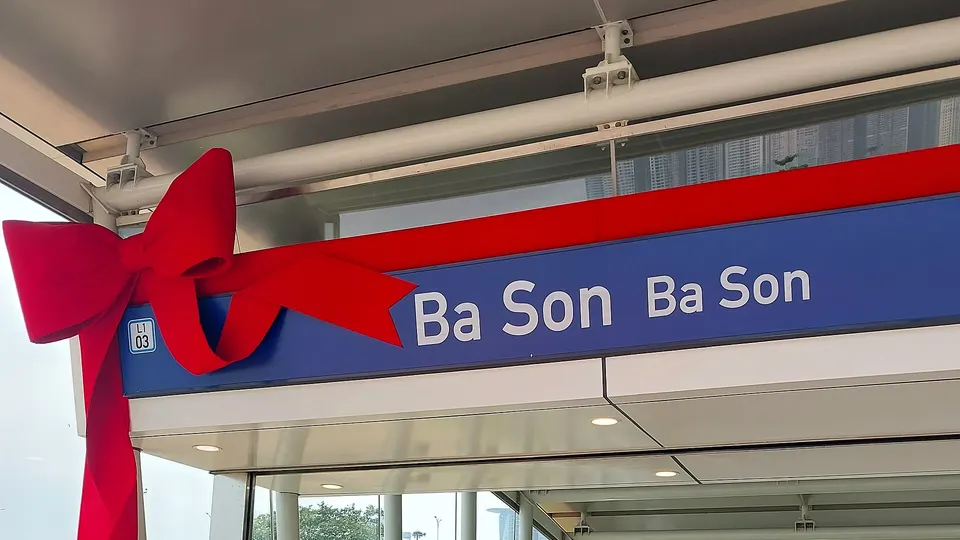
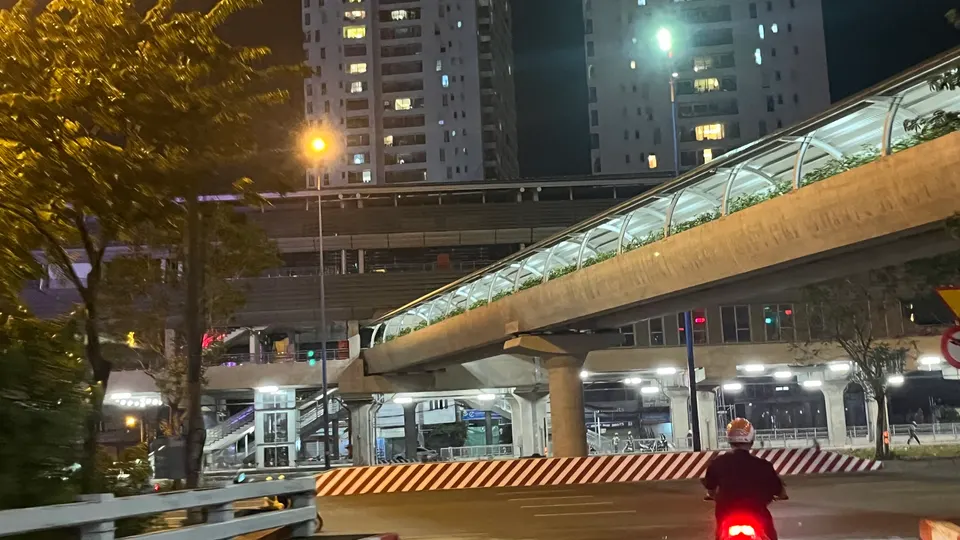
- Find the station. Underground stations in the centre have street entrances; elevated stations further east are reached by footbridges of about 80 to 150 m over the main road, Tien Phong reported.
- Go down (or up) to the ticket hall. Stairs, escalators and lifts lead to the concourse, where the gates, machines and counter are.
- Tap or scan at the entry gate. Tap a contactless card, phone or watch, or scan a QR ticket from the app or a machine. Visa says globally issued cards work at the gates.
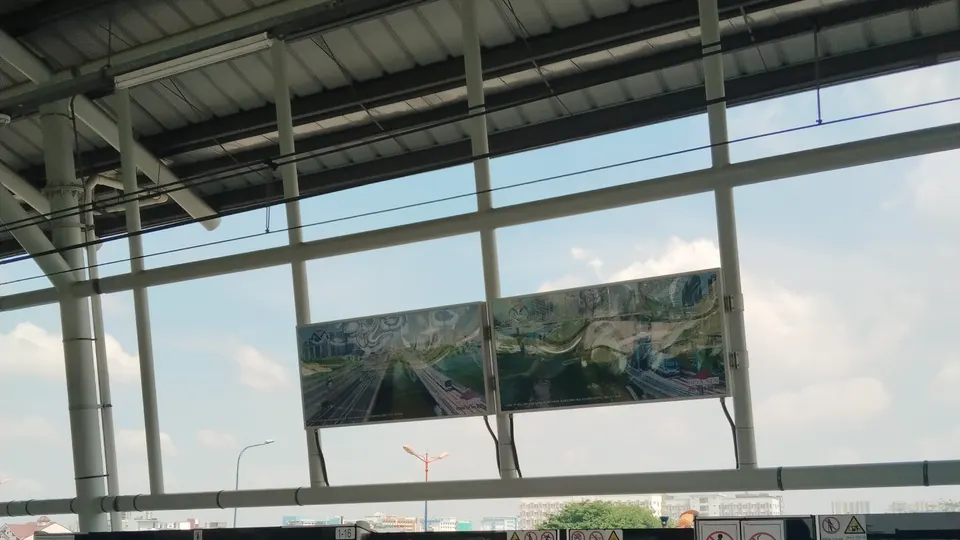
- Check the direction. Platforms are signed by end station: “Ben Thanh” for the city centre, “Suoi Tien” (Ben xe Suoi Tien) for the east.
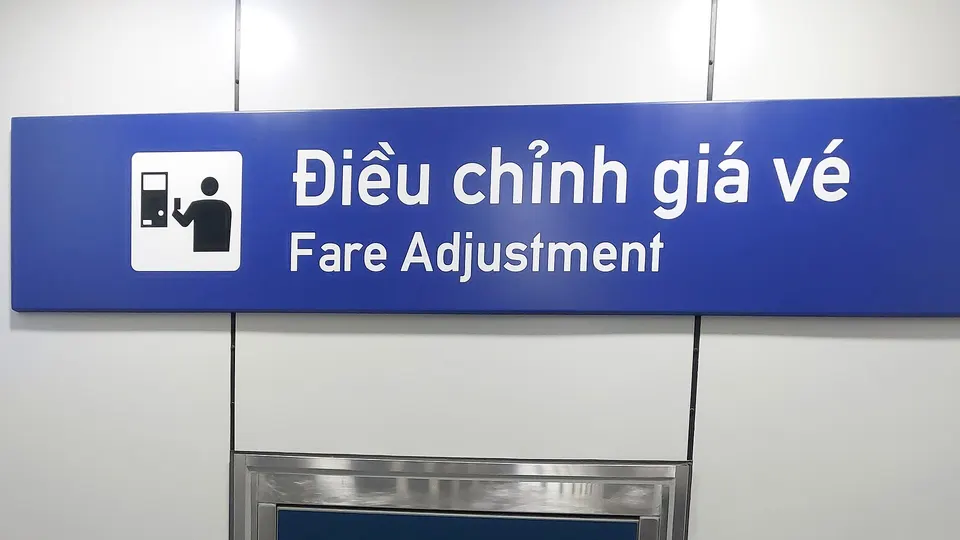
- Tap out with the same card or ticket. Keep your ticket until the end: it is checked again at the exit gate. If you rode further than you paid for, a fare adjustment machine at the exit station takes the difference, according to SGGP’s guide.
If the gate will not open. Staff at the counter can check the purchase record and camera footage and give you a ticket to finish the trip, or ask you to buy one, under the rules the city issued in October 2024 (VOH).
Which ticket should you buy, and how much does it cost?
For one or two trips, tapping a bank card is cheapest and quickest: card and app fares are 1,000 dong lower than cash. The city set the fares in November 2024 at 7,000 to 20,000 dong a trip in cash and 6,000 to 19,000 dong without cash, depending on distance, with a 40,000-dong day pass and a 90,000-dong three-day pass for unlimited rides (SGGP). Tuoi Tre News still gave the same range and day pass in December 2025, and we found no fare change announced since.
| Your plan | Best ticket | Why |
|---|---|---|
| One return trip, e.g. Ben Thanh – Thao Dien | Tap a contactless card | Cheapest single fare, no queue |
| Several trips in one day | Day pass, 40,000 dong (app or counter) | Unlimited rides that day |
| Riding on three days of a city stay | Three-day pass, 90,000 dong | Unlimited rides for three days |
| No contactless card | Machine or kiosk ticket, or a QR ticket in the app | Machine tickets are valid only that day |
Where to buy what. The HCMC Metro HURC app sells single, one-day, three-day and monthly tickets and shows them as a QR code to scan at the gate; station counters take cash or bank cards, SGGP reported in April 2025. Since 1 November 2025 the counters at five elevated stations, Thao Dien, An Phu, Binh Thai, Thu Duc and High-Tech Park, no longer sell paper QR tickets, so use the machines, the kiosks, a card or the app there. Single tickets from machines, kiosks, counters or the app are valid only on the day of purchase and are never refunded, Tuoi Tre reported.
Concessions. Under the 2024 fare decision, children under 6 travelling with an adult, people over 60, people with disabilities and people with revolutionary merit were to ride free. Priority passengers pass the gates with a Vietnamese chip ID card (PLO), so the concessions are set up for residents.
Which stations are useful for visitors?
Six or seven of the fourteen stations matter for sightseeing; the rest serve housing estates, the High-Tech Park and the university district. VnExpress International mapped the sights along the line when it opened, with walking distances from several stations (VnExpress).
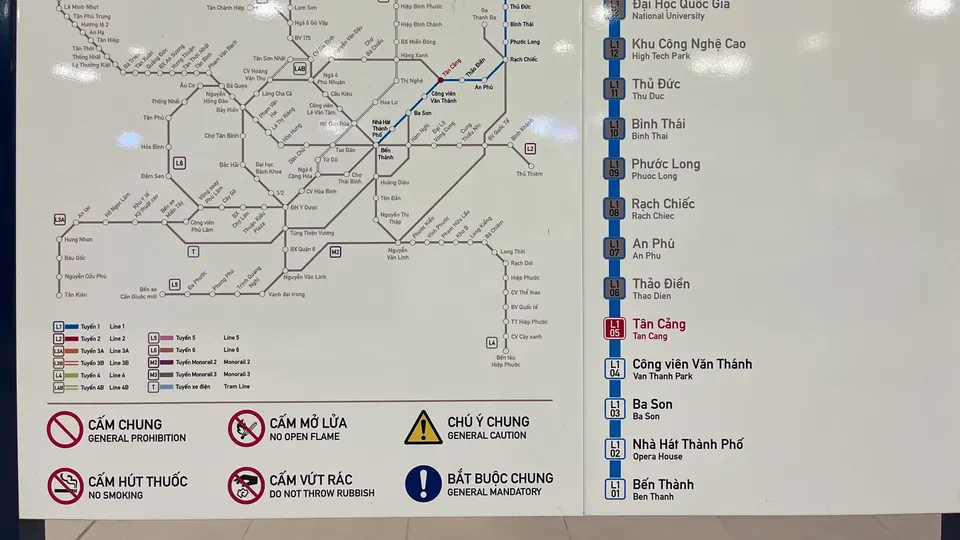
| Station (no.) | Type | What is nearby | Useful for |
|---|---|---|---|
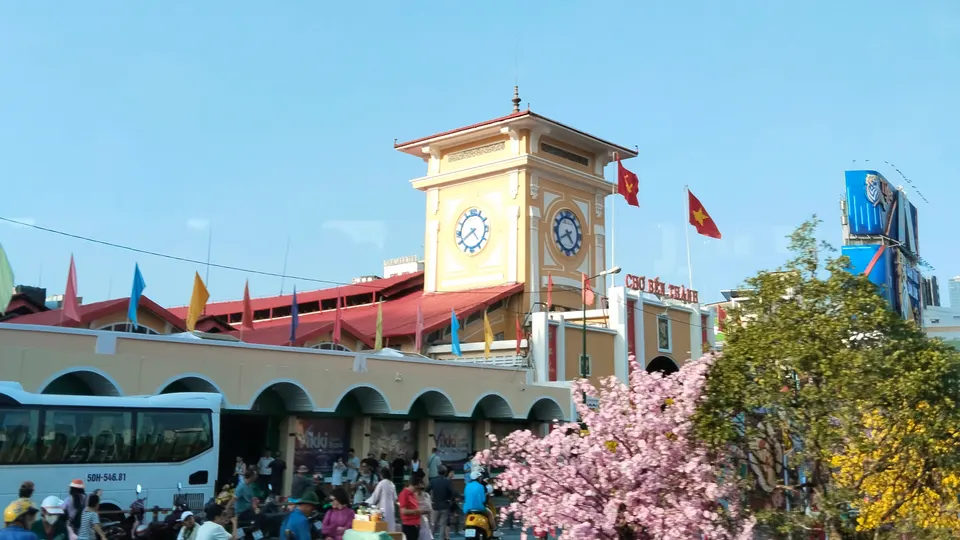
| Ben Thanh (1) | Underground | Ben Thanh market; the city’s bus interchange on Ham Nghi | Start of every trip; market; bus 109 and 152 to the airport |
| Opera House (2) | Underground | Nguyen Hue walking street and City Hall, about 300 m; Notre-Dame cathedral and Central Post Office, about 550 m | The French-era centre |
| Ba Son (3) | Underground | Saigon Zoo and Botanical Gardens, about 500 m; Ton Duc Thang Museum, about 550 m | Zoo, riverside, History Museum |
| Van Thanh Park (4) | Elevated | Van Thanh park, Binh Thanh | Apartments in Binh Thanh |
| Tan Cang (5) | Elevated | Landmark 81 tower “not far” (VnExpress); Van Thanh tourist area | The skyscraper and Vinhomes riverside |
| Thao Dien (6) | Elevated | Quoc Huong street, a couple of hundred metres; Thao Dien night market | Cafes, restaurants and the expat quarter |
| An Phu (7) | Elevated | Vincom Mega Mall | Shopping |
| Rach Chiec (8) | Elevated | Rach Chiec golf course, about 700 m; park-and-ride | Sport, parking |
| National University (13) | Elevated | Vietnam National University campus | Students |
| Suoi Tien bus station (14) | Elevated | Suoi Tien theme park; Vietnam Ao Dai Museum | Theme park; coaches east |
Distances are VnExpress International’s (December 2024). Park-and-ride lots sit next to Van Thanh Park, Thao Dien, Rach Chiec, Phuoc Long and Binh Thai stations, Tien Phong reported; the other stations (Phuoc Long, Binh Thai, Thu Duc, High-Tech Park) mainly serve residents and workers. For the market at the first stop, see our Ben Thanh Market guide.
Metro, bus or Grab: which is better for your trip?
Use the metro when both ends of your trip are near Line 1, and a bus, a Grab or a taxi for everything else. The line follows one corridor east, so it is unbeatable for Ben Thanh to Thao Dien or Suoi Tien, where it avoids the traffic on the roads, and no help for the west and south of the city. Two changes in 2026 shift the balance: city buses on 134 routes are free from 1 July to 31 December 2026, and from 1 October riders must record the trip with an ID card, the VNeID app, a bank card, an e-wallet or the MultiGo app; airport, sightseeing double-decker and interprovincial routes are not included (Tien Phong). For Thao Dien there is also the river: the Saigon Waterbus from Bach Dang wharf takes about 27 minutes at fixed times, slower to plan around than the metro but a ride in itself.
| Trip | Metro | City bus | Grab or taxi | Our pick |
|---|---|---|---|---|
| Ben Thanh or Opera House → Thao Dien | Direct, 5 stops from Ben Thanh | Possible, slower in traffic | Door to door, depends on traffic | Metro |
| Ben Thanh → Suoi Tien theme park | Direct to the last stop, about 30 min | Long ride | Long and traffic-dependent | Metro |
| Centre → Landmark 81 | To Tan Cang, then walk or a short ride | Possible | Door to door | Metro + walk, or Grab |
| Centre → Cho Lon or the War Remnants Museum | No station | Free in 2026 on city routes | Door to door | Grab, taxi or bus |
| Airport → centre | Does not reach the airport | Bus 109 or 152; airport routes were left out of the free-fare scheme | Door to door | See our airport guide |
| After 10 pm, or 3–4 people with bags | Closed, or crowded at peak | Few late buses | Door to door, fare split | Grab or taxi |
We give no road journey times because they swing with traffic; the metro’s 30-minute end-to-end time is the one fixed figure. How the ride-hailing apps work, and how to avoid overcharging, is in our Grab in Vietnam guide; for intercity trips and the Hanoi metro, see getting around Vietnam.
Can you take the metro to the airport, and what connects to it?
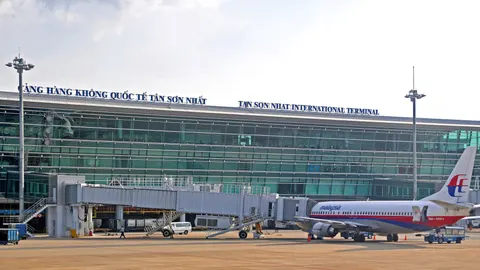
Not yet. Line 1 runs east from Ben Thanh and does not reach Tan Son Nhat (Tân Sơn Nhất), the city airport. The practical link is a bus: route 109 runs from the domestic Terminal 3 to the Saigon bus station near Ben Thanh market, and route 152 serves the international terminal and passes Ben Thanh; SGGP listed both among the existing routes that connect with the metro at the Ham Nghi stop beside the market. Our guide to getting from Saigon airport to District 1 has their 2025 timetables and fares.
The new airport. In August 2026 the government approved extending Line 1 from Suoi Tien to the Dong Nai administrative centre and Long Thanh International Airport as an urgent project, to be built as a public-private partnership; no completion date was given (SGGP). Until then, Long Thanh is a road transfer: see our Long Thanh airport guide.
Feeder buses. Seventeen electric bus routes were launched on 21 December 2024 to link the stations with the neighbourhoods around them, Tuoi Tre News reported. Elevated stations were planned with links to ride-hailing motorbikes and taxis, and the underground ones to electric cars and public bicycles, Tien Phong reported. Paying in the HURC app and booking rides needs mobile data; our SIM and eSIM guide explains how to get a local SIM.
What are the rules on board?
The operator’s rules are short, and staff supervise the platforms. Do not eat, drink or smoke (e-cigarettes included) once past the gates, on the platforms or on the trains; carry food in a closed bag and do not bring strong-smelling food on board; leave balloons, skateboards and roller skates outside; keep your voice and phone volume down; stay behind the yellow line and do not board while the doors are closing (PLO).
Bicycles and luggage. Since 1 November 2025 folding bicycles are allowed if they are folded inside a bag no larger than 120 x 70 x 40 cm and not ridden in the station, Tien Phong reported. We found no published size limit for suitcases; trains of three cars carry up to 930 people, most of them standing, so a large case is easiest outside the peaks.
Filming and selling. Filming advertisements or staging performances in stations and trains needs a licence, and hawking or soliciting is banned, along with weapons, fighting and harassment of passengers or staff.
When is the metro busy, and when is it free?
On ordinary weekdays the line is comfortable outside the commuter peaks, which Viet Nam News gave as 6–8 am, 10:30 am–12:30 pm and 3:30–6:30 pm in July 2025, when trains ran every 7 minutes at peak and every 10 to 12 minutes otherwise. Holidays are different: the line has carried more than 110,000 passengers on its busiest days, and on 21 February 2026, during Tet, it carried about 96,000.
Free days in 2026. The city made the line free on 16 and 17 February (the last day of the lunar year and the first day of Tet), on 2 July for the 50th anniversary of the city’s name, and on 2 September, National Day, when it ran 264 trips from 5 am to 11 pm instead of the usual 228 (Tuoi Tre News). The free ride works only with a chip ID card at the gate, the free “QR HCMC METRO” code in the HURC app on the day, or a free paper QR ticket from a station kiosk; if you tap a bank card or buy a ticket as usual, you are charged and not refunded. As a visitor, take the kiosk ticket.
Late service and night trains. For Tet 2026 trains ran until 11 pm from 12 to 22 February, plus 20 trips between 12:30 and 2 am after the New Year’s Eve fireworks, VOH reported; for 6 to 16 August 2026 SGGP reported that service would be extended to 11 pm. Check the HURC app before a late return, and for Tet 2027 see our Tet travel guide.
Disruptions happen. On 17 October 2026 a fault on the national grid cut power to the Thu Duc substation and stopped the line from 7:04 to 7:57 am, Tien Phong reported. If trains stop, staff direct passengers; a Grab or bus is the fallback.
Common mistakes, and a half-day plan
- Believing the line is cash only. Some 2026 travel articles say foreign cards do not work. The gates have taken international contactless cards since January 2025 (SGGP) and Visa confirmed tap-to-ride in March 2025.
- Buying a machine ticket for tomorrow. It is valid only on the day you buy it, and unused tickets are not refunded.
- Tapping a different card on the way out. The fare is calculated from your entry and exit taps; use the same card or phone.
- Expecting the metro to the airport, Cho Lon or District 3. It goes east only; plan those trips by road.
- Paying on a free day. On a free-ride day a bank-card tap is charged; take the free kiosk ticket instead.
- Eating a banh mi on the platform. Food and drink are banned past the gates.
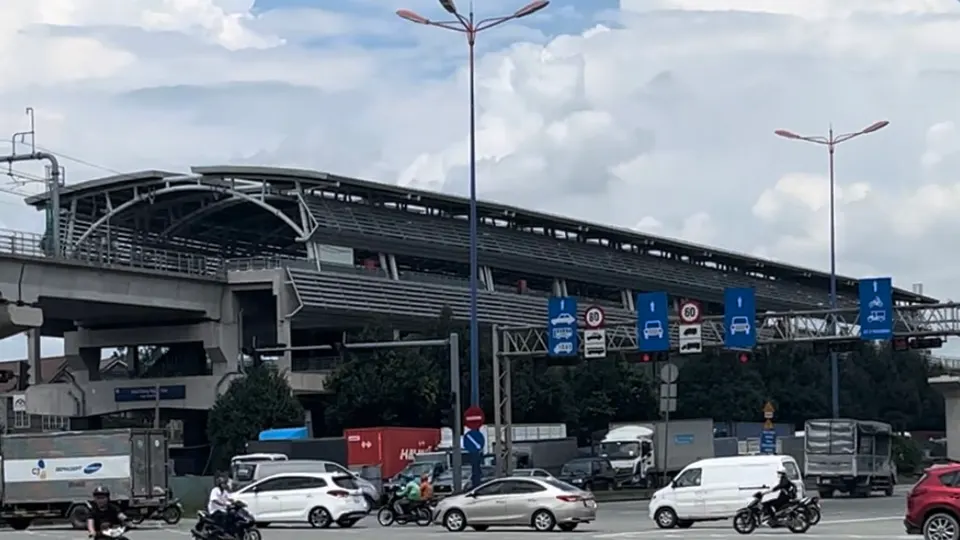
A half-day on the line.
- Start at Ben Thanh in the morning, after the 6–8 am peak. Tap a contactless card at the gate, or buy a day pass in the app if you plan several stops.
- Ride one stop to the Opera House if you have not yet seen Nguyen Hue and the French-era centre, or stay on to Tan Cang for Landmark 81.
- Continue to Thao Dien for lunch around Quoc Huong street, a short walk from the station.
- Ride back to Ben Thanh, tapping out with the same card, and walk to the market.
Our Saigon in 3 days itinerary fits this into a full day 3, and the South Vietnam hub lists every guide for the region.
Frequently asked questions
Can I use my foreign Visa or Mastercard on the Saigon metro?
Yes. The Line 1 gates take contactless Visa and Mastercard cards as well as Vietnamese Napas cards, and Visa says globally issued cards, phones and watches can tap. Tap in at the entry gate and tap the same card again at the exit.
How much is a metro ticket in Ho Chi Minh City?
A single trip costs 7,000 to 20,000 dong in cash or 6,000 to 19,000 dong by card or app, depending on distance. A day pass is 40,000 dong and a three-day pass 90,000 dong, the fares set in November 2024 and still reported in December 2025.
What time does the Ho Chi Minh City metro close?
On weekdays the line runs from 5 am to about 10 pm. On major holidays such as Tet and National Day in 2026 it ran until 11 pm, with extra night trains after fireworks.
Does the Saigon metro go to the airport?
No. Line 1 runs east from Ben Thanh to Suoi Tien and does not reach Tan Son Nhat. Take bus 109 or 152 to the Ben Thanh area, or a taxi or Grab, and change to the metro there if you need it.
Is the Ho Chi Minh City metro worth using as a tourist?
Yes for trips along the line: Ben Thanh or the Opera House to Thao Dien, Landmark 81 or Suoi Tien park. For Cho Lon, the War Remnants Museum or the airport it does not help, so use a bus, Grab or taxi.
Key sources
- Metro số 1 Bến Thành - Suối Tiên chính thức vận hành · VietNamNet, 22 December 2024
- TPHCM ban hành giá vé metro số 1 Bến Thành - Suối Tiên · Sài Gòn Giải Phóng, 21 November 2024
- Xây dựng công trình cấp bách tuyến metro số 1 kéo dài đến sân bay Long Thành · Sài Gòn Giải Phóng, 27 August 2026
- Thanh toán bằng thẻ ngân hàng khi đi metro · Nhân Dân, 18 February 2025
- Exploring tourist landmarks, entertainment venues along HCMC's 1st metro line · VnExpress International, 23 December 2024
- 10 hành vi bị cấm khi đi metro số 1 · Pháp Luật TP.HCM, December 2024
- Free metro rides, extra water bus trips await visitors in Ho Chi Minh City on National Day · Tuổi Trẻ News, 1 September 2026
- Miễn phí xe buýt 134 tuyến ở TPHCM từ 1/7: Người dân cần lưu ý điều gì? · Tiền Phong, 23 June 2026
All 26 sources and further reading
- Vietnam's first metro line put into commercial operation · VnEconomy, December 2024
- Hành khách có thể quét CCCD, Mastercard đi Metro số 1 miễn phí · Sài Gòn Giải Phóng, 13 December 2024
- Visa offers seamless tap-to-ride experiences for Visa cardholders on Ho Chi Minh City Metro Line 1 · Visa Vietnam, 13 March 2025
- Đi metro Bến Thành - Suối Tiên: cách gửi xe máy, lên xuống tàu nhanh nhất · Tiền Phong, 2 December 2024
- Metro số 1 TPHCM ngừng bán vé giấy tại 5 nhà ga · Tuổi Trẻ / Saigon Times, 30 October 2025
- Metro số 1 dừng bán vé giấy, cho mang xe đạp gấp lên tàu · Tiền Phong, 31 October 2025
- HURC1 phản hồi "Buồn vui metro...": Tăng cường loạt giải pháp thanh toán vé tàu · Sài Gòn Giải Phóng, 18 April 2025
- Metro số 1 đang trở thành phương tiện đi lại thường xuyên, không còn chỉ là trải nghiệm · Pháp Luật TP.HCM, December 2025
- HCM City's first metro line increases daily trips to meet travel demand · Việt Nam News, 2 July 2025
- Ho Chi Minh City offers free metro rides to mark 50th anniversary of city named after President Ho Chi Minh · Tuổi Trẻ News, 2 July 2026
- Metro số 1 TPHCM miễn phí vé trong dịp Tết Bính Ngọ 2026 · VOH, 5 February 2026
- TPHCM: Metro số 1 sắp tăng chuyến, kéo dài thời gian phục vụ đến 23 giờ · Sài Gòn Giải Phóng, 4 August 2026
- Metro passengers in Ha Noi, HCMC during 2026 Lunar New Year holiday up from last year · Việt Nam News, 24 February 2026
- A look back at 1-year operation: how first metro line became part of Ho Chi Minh City life · Tuổi Trẻ News, 23 December 2025
- 17 tuyến xe buýt kết nối metro số 1 · Sài Gòn Giải Phóng, 12 December 2024
- Metro số 1 TPHCM hoạt động trở lại sau sự cố mất điện · Tiền Phong, 17 October 2026
- Trường hợp khách xuống ga đến của metro mà không có vé thì giải quyết ra sao? · VOH, 31 October 2024
- HCMC's Metro Line 1: Guide to fares, tickets, travel · SGGP English Edition, 13 December 2024
Keep exploring
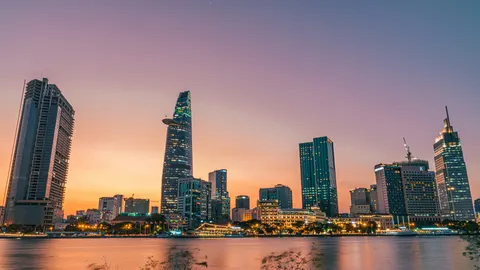 South Vietnam · Travel Ho Chi Minh City (Saigon): How Many Days and What to See Ho Chi Minh City (Saigon) explained: the 2025 merger and new wards, how many days to stay, Metro Line 1, Long Thanh airport, palace and museum tickets.
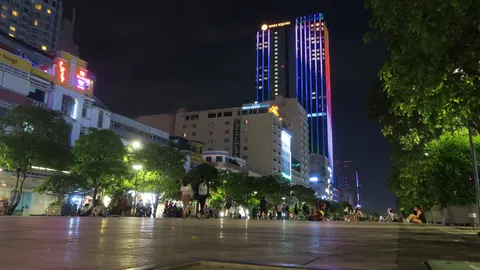 South Vietnam · Travel Where to Stay in Saigon: District 1, 3 or Binh Thanh Where to stay in Saigon: District 1 for a first visit, District 3 for calm, Binh Thanh or Thao Dien for long stays, plus new ward names, metro and airport links.
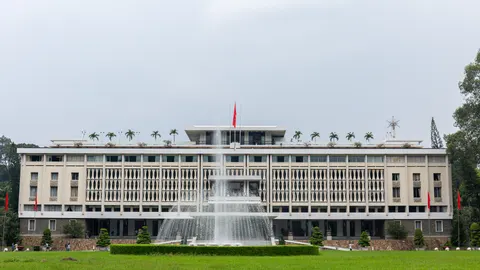 South Vietnam · Travel Saigon in 3 Days: A Day-by-Day Plan for First Visits Saigon (Ho Chi Minh City) in 3 days: palace and war museum, Cho Lon and Vinh Khanh, then metro or a day trip. With 2026 tickets, ward names and what is closed.
 South Vietnam · Travel Saigon Airport to District 1: Bus 109, Taxi or Grab Tan Son Nhat airport to Saigon's District 1: bus 109 and 152, airport taxis, Grab pick-up zones at T1, T2 and T3, with dated fares, night options and scams.