North Vietnam · Living
Living in Hanoi as an Expat: Where to Live, Which Visa
Where to live in Hanoi as an expat: West Lake, Ba Dinh, Old Quarter or Cau Giay compared, which visa and residence card you need, winter air, first month.
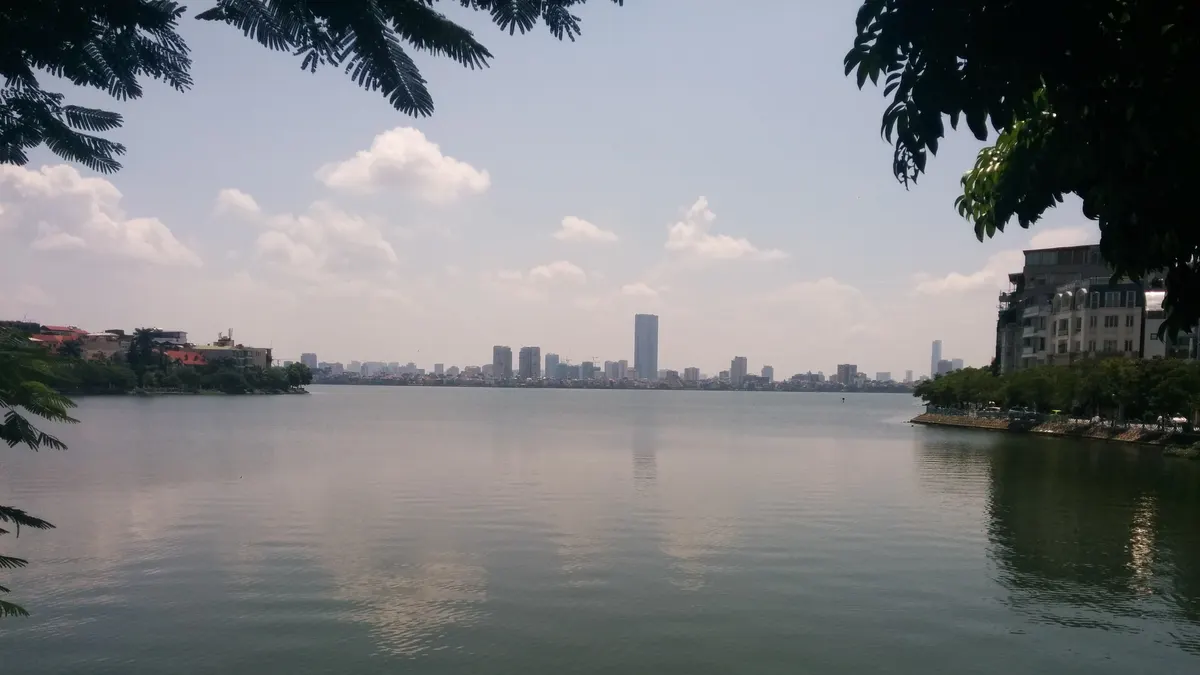
To live in Hanoi as an expat, pick the area that fits your daily route, arrive on a work or family visa rather than a 90-day e-visa, make sure your landlord declares your address to the police, and prepare for a cold, hazy winter. As of November 2026, central Hanoi is in the first year of a pilot low-emission zone around Hoan Kiem Lake, and bus fares inside Ring Road 1 are waived until 30 June 2027. Most newcomers live around West Lake, or Tay Ho (Tây Hồ), in Ba Dinh (Ba Đình), in the Old Quarter or in the western office districts of Cau Giay (Cầu Giấy) and My Dinh (Mỹ Đình), and each suits a different kind of week.
This guide is part of our living in Vietnam hub and assumes you already know the city as a visitor; if not, start with our Hanoi travel guide. It compares the main residential areas with their ward names since the July 2025 reform, explains the legal basics from the law and dated national-press reports, covers seasons, air quality and transport for residents, and ends with a step-by-step plan for your first 30 days. Rules change often, so every rule here carries its date.
Living in Hanoi at a glance
| Topic | What to know (source, date) | What to do |
|---|---|---|
| Areas | West Lake, Ba Dinh, Old Quarter and French Quarter, Cau Giay and My Dinh; wards renamed from 1 July 2025 (Resolution 1656) | Use the new ward name on leases and forms |
| Short stays | E-visa valid up to 90 days (Law on foreigners, Art. 9) | Do not plan a move on tourist stays |
| Work | Work visa (LD1/LD2) up to 2 years; work permits issued by the city People’s Committee (Decree 219/2025) | Your employer starts the work permit before you arrive |
| Residence card | Up to 2 years for workers, 3 for family, up to 10 for large investors (Law on foreigners, Art. 38) | Apply through your employer or sponsor |
| Address | Declared to police within 12 hours of arrival (Law on foreigners, Art. 33) | Ask your hotel or landlord for confirmation |
| Air | Pollution concentrated October to March (Dai bieu Nhan dan, Dec 2025) | Check VN_AQI and VNAir; buy a purifier before winter |
| Transport | Two metro lines; free buses inside Ring Road 1 from 1 July 2026 to 30 June 2027 (Nhan Dan, June 2026) | Test your commute before signing a lease |
| Climate | Real winter with cold nights, drizzle and fog (Vietnam Airlines) | Choose a flat you can heat |
Which area of Hanoi should you live in?
Choose by your daily route first and by atmosphere second: test the trip to your office or your children’s school at rush hour before you decide. Since 1 July 2025 the old urban districts no longer exist as administrative units: Hanoi now has 126 commune-level units, 51 wards and 75 communes, and the familiar area names map onto new wards (LuatVietnam).
| Area | Ward since July 2025 | Living there | Metro station | Best for | Think twice if |
|---|---|---|---|---|---|
| West Lake | Mostly Tay Ho ward; edges in Hong Ha and Phu Thuong wards | A large lake, villas and apartments, cafes; long the main area for foreign residents | None | Families, long stays, people who want space and international schools nearby | You need to reach the western office districts every morning |
| Ba Dinh and Truc Bach | Ba Dinh, Ngoc Ha and Giang Vo wards | Residential lanes, small lakes, the government quarter and the Imperial Citadel | None open | A quiet base between the centre and West Lake | You want nightlife on your doorstep |
| Old Quarter and French Quarter | Hoan Kiem and Cua Nam wards | Narrow trade streets, street food, French-era avenues; weekend walking streets and a low-emission zone | None; free buses inside Ring Road 1 | Singles and couples who want to walk everywhere | You need quiet, parking or a large flat |
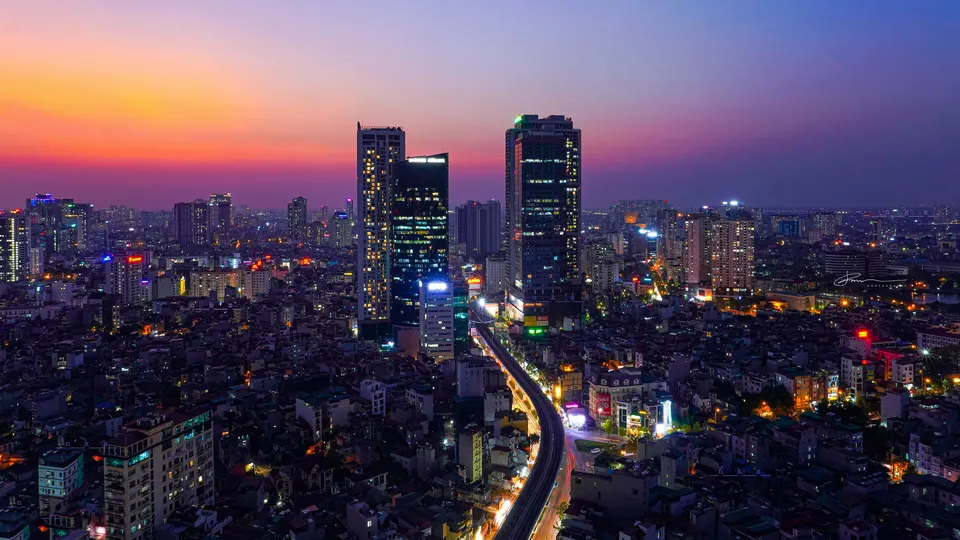
| Cau Giay and My Dinh | Cau Giay, Nghia Do and Yen Hoa wards; My Dinh is split between Cau Giay and Tu Liem wards | Newer apartment towers, offices, universities and Metro Line 3 stations | Line 3, elevated Nhon to Cau Giay section | People working in the western districts, metro commuters, apartment living | You want old Hanoi atmosphere |
West Lake (Tay Ho). Foreign residents have been moving towards the Tay Ho area for years, and international schools, hospitals, restaurants and cafes followed, VnExpress International reported in 2023. The price is distance: every trip downtown starts with a ride. Our where to stay in Hanoi guide describes the lake’s streets and temples from a visitor’s point of view.
Ba Dinh. The former Ba Dinh district is now split between Ba Dinh, Ngoc Ha and Giang Vo wards. It is calmer than the Old Quarter and close to it, which suits people who work in the centre but want to sleep without street noise.
Old Quarter and French Quarter. The Old Quarter is now Hoan Kiem ward and most of the French Quarter is Cua Nam ward. Living here means street life every evening, the weekend walking streets around Hoan Kiem Lake and, since July 2026, the first stage of Hanoi’s low-emission zone (see the transport section).
Cau Giay and My Dinh. The old Cau Giay district and My Dinh were divided among several new wards, listed in the table above. The area is newer and more vertical, with office towers and apartment blocks along the main roads and the elevated Metro Line 3.
Visas, work permits and residence cards: the legal basics
You need a visa that matches what you will do in Vietnam, and for most people who move for work that means a work visa followed by a temporary residence card. Vietnam’s law on foreigners lists visa types by symbol: LD1 for foreigners exempt from a work permit, LD2 for those who need one, DN for business, DT1 to DT4 for investors by the size of their capital and TT for family members (Law on foreigners).
| Document | What it is | Validity (law) |
|---|---|---|
| E-visa (EV) | Short-stay visa applied for online | Up to 90 days |
| Work visa (LD1, LD2) | For foreigners working in Vietnam | Up to 2 years |
| Temporary residence card, workers (LD1, LD2) | Lets you live in Vietnam without new visas | Up to 2 years |
| Temporary residence card, family (TT) and some investors (DT3) | For spouses and children of card holders, and family of Vietnamese citizens | Up to 3 years |
| Temporary residence card, large investors (DT1) | Capital of 100 billion dong or more | Up to 10 years |
Short stays. The e-visa is valid for up to 90 days; our Vietnam e-visa guide shows how to apply on the official portal and how to avoid look-alike sites. It is a way to arrive and look around, not a basis for living in Hanoi.
Work permits. Under Decree 219/2025, in force since 7 August 2025, provincial People’s Committees issue, extend and revoke work permits, and must decide within 10 working days of receiving a complete file, the Vietnam News Agency reported. Some people are exempt, including investors contributing at least 3 billion dong to a limited company, but they still need the matching visa. In practice your employer prepares the file, so start before you fly.
Residence cards. A temporary residence card must expire at least 30 days before your passport does, so renew your passport early if it runs out within the card’s term. A 2025 amending law (Law 118/2025/QH15) added new UD1 and UD2 visas for high-skilled digital-industry workers and their families and allows some investor and UD cards to last up to 10 years, a state-management journal summarised in August 2026. Ask your employer or a licensed adviser which category fits you.
Address declaration. Every foreigner’s temporary residence must be declared within 12 hours of arrival at the place they stay, or 24 hours in remote areas. The owner or operator of the accommodation makes the declaration, so for most residents that is the landlord; the first-30-days plan below shows when to ask for it.
What are Hanoi’s seasons and air quality like?
Hanoi has a real winter and a clear air-pollution season, and both shape daily life more than newcomers expect. Pollution is concentrated from October to March, and in December 2025 the city told schools to limit outdoor activities on “poor” air days and allowed them to pause classes when the official VN_AQI reaches 301 or more, with the Department of Agriculture and Environment publishing readings from its monitoring stations (Dai bieu Nhan dan).
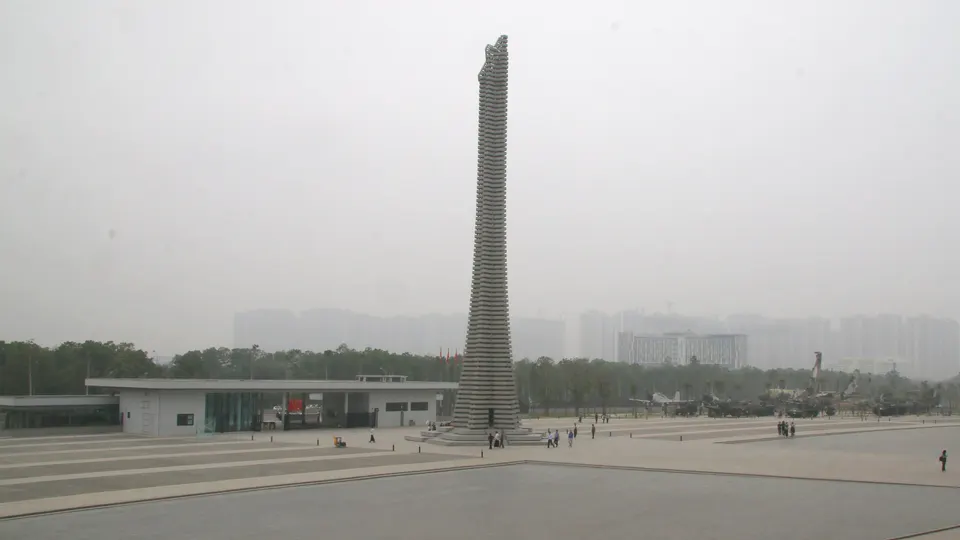
Why winter air is worse. In late November 2025 the Ministry of Agriculture and Environment warned that temperature inversion, calm wind and fog would stop pollutants from dispersing over Hanoi and the North and push fine dust (PM2.5) up, VnEconomy reported. Pollution is most concentrated at night and in the early morning, when inversion is strongest, and stays high around 9 to 11 am and 3 to 5 pm, the ministry said in February 2026, adding that air pollution had not yet been brought under effective control (Tuoi Tre). The sources authorities name are road dust, construction, industry and craft villages, and open burning of waste and crop residue.
What residents do. Health experts quoted by Dai bieu Nhan dan in December 2025 advised older people, young children and people with respiratory illness to stay in during peaks, to wear masks that filter PM2.5 and fit without gaps, to keep windows closed and to use air purifiers. The ministry also points people to its VNAir app for readings. Check air quality before early-morning runs or a bike ride with children.
The seasons. Vietnam Airlines’ Hanoi guide describes cool winters with cold nights, drizzle and fog, hot and humid summers with frequent rain, and a mild autumn, with October as “the most pleasant month of the year”. Our Vietnam weather by month guide compares Hanoi with the Centre and South, and our guide to living in Da Nang covers life on the central coast and its autumn storm season. If you are weighing a move south instead, our guide to living in Saigon explains its rainy season, high tides and metro.
How do residents get around Hanoi?
Most residents combine ride-hailing apps, buses, the metro and, for experienced riders with the right licence, a motorbike. Our guide to getting around Vietnam explains the apps and motorbike licence rules; this section covers what is specific to living in Hanoi in 2026.

Metro. Hanoi has two lines. The Cat Linh to Ha Dong line was the first to open, and Hanoi Metro carried more than 20.68 million trips in 2025, VietnamPlus reported. The elevated section of Line 3 from Nhon to Cau Giay has run since 8 August 2024; as of February 2026 its underground section to Hanoi Station was 76.3% complete, with the project period running to 2027, according to the Hanoi People’s Committee. If you work near a Line 3 station, a flat near the line is worth considering.
Free buses and the low-emission zone. From 1 July 2026 to 30 June 2027, bus fares inside Ring Road 1 are waived (tourist buses excluded), and Zone 1 of Hanoi’s new low-emission zone, around Hoan Kiem Lake, is closed to all road vehicles from 7 pm to midnight every Friday, Saturday and Sunday (Thang Long). The plan is phased: it starts with the core streets of Hoan Kiem ward around the lake, is due to widen to 14 streets in Hoan Kiem and Cua Nam wards in early 2027 and to the nine wards inside Ring Road 1 in early 2028, and targets old, high-emission motorbikes rather than all petrol bikes, VOV reported in May 2026. If you plan to buy a motorbike, check the current stage first.
Healthcare, schools and everyday costs
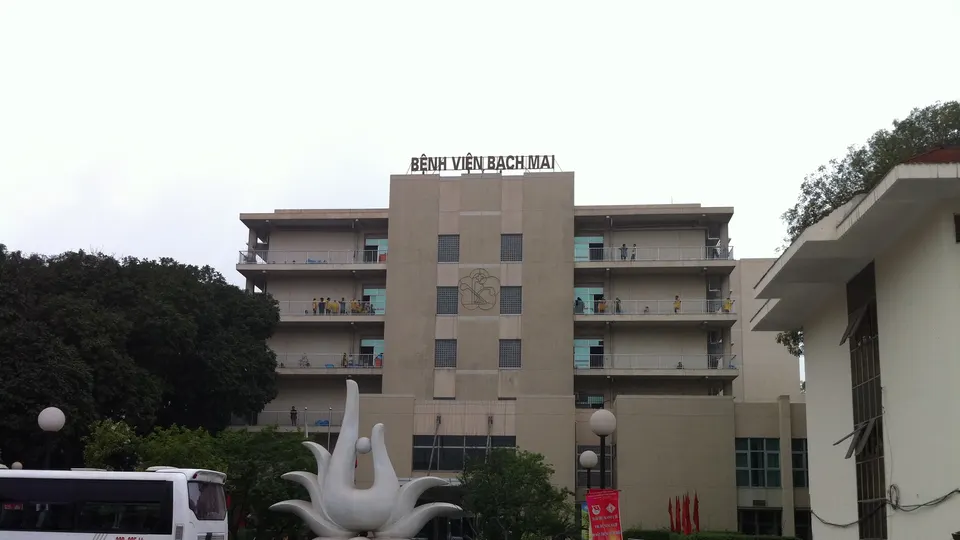
Plan health cover, schooling and a monthly budget before you sign a lease, because each one narrows where you can live. Hanoi has large public hospitals such as Bach Mai as well as private international clinics. Before you need one, check what your health insurance covers and which hospitals bill it directly.
Schools. VnExpress International noted in 2023 that international schools had emerged in the Tay Ho area, one reason families look there. Visit schools before choosing a flat, ask about waiting lists and term dates, and time the school run at rush hour.
Costs. We do not quote rents or living costs here: we found no dated official or national-press figures for 2026, and listings vary widely by building and season. Budget for rent, a deposit, electricity (air conditioning in summer, heating in winter), water, internet, building service fees and transport, and ask the landlord in writing which of these the rent includes. For cash, cards, ATMs and paying by QR code, see our guide to money in Vietnam.
Language, winter and Tet: what changes when you live here
Daily life in Hanoi runs on Northern speech, a cold-season rhythm and the Lunar New Year. Many textbooks and courses teach the Northern standard, so what you learn in class will sound close to what you hear in Hanoi markets; our guide to Vietnamese accents by region explains how Hanoi speech differs from Hue and Saigon.
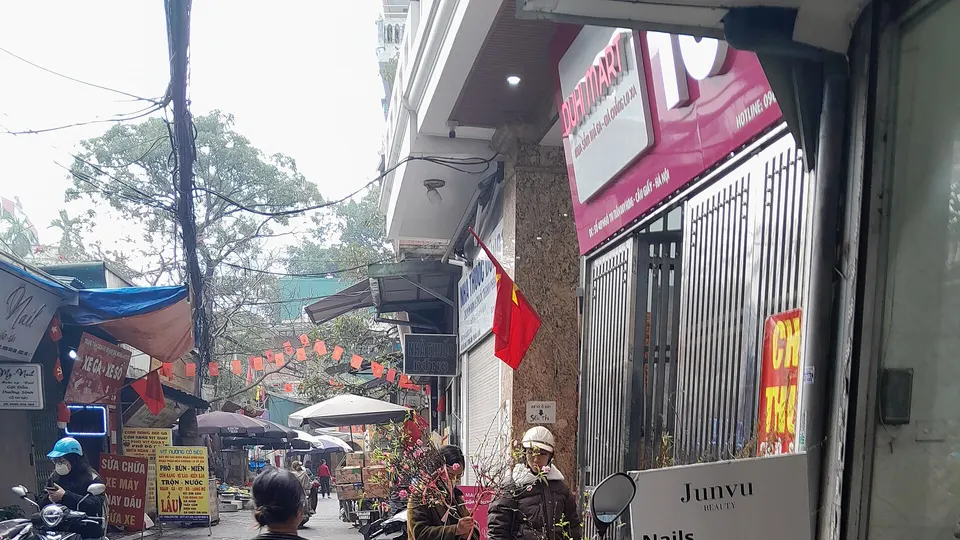
Winter habits. When the cold arrives, Hanoians switch to coats, hot drinks and steaming bowls of noodle soup. Check before you sign whether the flat’s air conditioners also heat.
Tet. The Lunar New Year is the year’s biggest holiday. In the weeks before it, pop-up markets sell peach blossom and kumquat trees, and during the holiday bank counters and many small businesses close, so finish paperwork and stock up beforehand. Our guide to Tet across the three regions explains the Northern customs you will see around you.
Your first 30 days in Hanoi, step by step
Do things in this order and most problems never happen. The plan uses only the rules and practices described above.

- Before you fly: confirm the visa type with your employer or sponsor (LD1 or LD2 for work, TT for family), and ask whether the work permit file has been started. If you arrive on an e-visa to look around, remember it ends after 90 days at most.
- Days 1 to 3: stay somewhere short term in the area you are considering. The hotel declares your stay to the police within 12 hours; you do not need to do anything, but keep your passport ready. Get a local number in your own name early (banks, landlords and ride-hailing apps ask for one); our guide to SIM cards and eSIMs in Vietnam explains the 2026 registration rules for foreigners.
- Days 3 to 14: test your real commute at rush hour, on a bus or Line 3 if you can, and walk the area in the evening and on a hazy morning. Look at flats in at least two of the four areas.
- Signing the lease: use the new ward name in the address, agree in writing what the rent includes, and ask the landlord to declare your residence online on the Ministry of Public Security’s system within 12 hours of moving in. Commune and ward police now receive these declarations 24 hours a day, under Circular 87/2026/TT-BCA, issued by the Ministry of Public Security on 9 June 2026 (Luat su Viet Nam).
- Weeks 2 to 4: with your employer, complete the work permit and then the temporary residence card; keep copies of your passport, visa, permit and lease together.
- Before October: install the VNAir app, buy an air purifier and PM2.5 masks, and find warm clothes and a heater if your flat needs one.
- Health: choose a hospital or clinic for routine care, check that your insurance covers it, and save its address in your phone.
- Every time you move: ask the new landlord for a fresh residence declaration, and update the address with your employer.
Living in Hanoi rewards people who plan around its seasons. Arrive in autumn if you can, spend the first weeks learning the city before you commit to a lease, and give the paperwork time; then winter, the haze and Tet become part of the rhythm rather than surprises.
Frequently asked questions
Can I ride my motorbike into Hanoi's Old Quarter at the weekend?
Not in the evening: since 1 July 2026 all road vehicles, motorbikes included, are barred from Zone 1 of Hanoi's low-emission zone, the streets around Hoan Kiem Lake, from 7 pm to midnight every Friday, Saturday and Sunday. Priority vehicles are exempt, and the zone is due to widen to 14 streets in Hoan Kiem and Cua Nam wards in early 2027.
Are buses free in central Hanoi?
Yes, for trips that start inside Ring Road 1, from 1 July 2026 to 30 June 2027. Hanoi waives the fare on every public bus route for these passengers, but not on tourist buses.
Does the Hanoi metro reach West Lake or the Old Quarter?
No. Hanoi's two metro lines, Cat Linh to Ha Dong and the elevated Nhon to Cau Giay section of Line 3, serve the west and south-west of the city. The underground extension of Line 3 to Hanoi Station was 76.3% complete in February 2026, with the project period running to 2027.
What ward is Hanoi's Old Quarter in now?
Since 1 July 2025 the Old Quarter has been Hoan Kiem ward and most of the French Quarter Cua Nam ward, under Resolution 1656, which reorganised Hanoi into 126 wards and communes. Use the new ward name on leases and residence forms.
Is Hanoi cold in winter?
Yes, by Southeast Asian standards. Winter brings cool days, cold nights, drizzle and fog, so newcomers need warm clothes and a flat that can be heated.
Key sources
- Resolution No. 1656/NQ-UBTVQH15 on the reorganization of commune-level administrative units of Hanoi · National Assembly Standing Committee, 16 June 2025, via LuatVietnam
- Law on Entry, Exit, Transit and Residence of Foreigners in Vietnam (integrated text No. 30/VBHN-VPQH, 2 August 2023) · Office of the National Assembly, via Dữ Liệu Pháp Luật
- Công an xã sẽ tiếp nhận thông tin 24/7 khai báo tạm trú trực tuyến cho người nước ngoài (commune police receive online residence declarations for foreigners 24/7) · Tạp chí Luật sư Việt Nam, 25 October 2026
- Hà Nội cho phép trường học tạm dừng dạy học khi ô nhiễm không khí nghiêm trọng (Hanoi lets schools pause classes when air pollution is severe) · Đại biểu Nhân dân, 4 December 2025
- Bộ Nông nghiệp và Môi trường sẽ xây dựng quy trình ứng phó khẩn cấp ô nhiễm không khí (ministry to build an emergency air-pollution response) · Tuổi Trẻ, 5 February 2026
- Một số tỉnh, thành phố gần Hà Nội có chỉ số ô nhiễm không khí ở mức xấu và kém (poor air quality around Hanoi) · Đại biểu Nhân dân, 31 December 2025
- Ha Noi begins restricting fossil-fuel vehicles in low-emission zones · Thang Long (Government of Viet Nam portal), 2 July 2026
- Hanoi accelerates metro construction and narrows barriers to ease traffic · Hanoi People's Committee portal, 27 February 2026
All 17 sources and further reading
- Danh sách 126 xã, phường mới của Hà Nội sau sắp xếp từ 01/7/2025 (Hanoi's 126 new wards and communes) · LuatVietnam
- Một số điểm mới của pháp luật về nhập cảnh, xuất cảnh, quá cảnh, cư trú của người nước ngoài tại Việt Nam (new points in the law on foreigners' entry and residence) · Tạp chí Quản lý nhà nước, 4 August 2026
- New regulations on issuing work permits for foreign workers in Vietnam · Vietnam News Agency (VNA), August 2025
- Hà Nội và miền Bắc sẽ xuất hiện thời tiết nghịch nhiệt, chỉ số PM2.5 có thể cao trong 10 ngày tới (temperature inversion and high PM2.5 forecast for Hanoi and the North) · VnEconomy, 26 November 2025
- Hanoi pilots low-emission zones with flexible roadmap for vehicles · VOV, 6 May 2026
- Miễn phí xe buýt trong Vành đai 1 hỗ trợ người dân chuyển đổi giao thông xanh (free buses inside Ring Road 1) · Nhân Dân, June 2026
- Hanoi Metro carries nearly 21 million passengers last year, as revenue beats targets · VietnamPlus, 16 January 2026
- Expat community flocks to Tay Ho for real estate opportunities · VnExpress International, 15 March 2023
- Best month to visit Hanoi · Vietnam Airlines
Keep exploring
 North Vietnam · Travel Hanoi: How Many Days, What to See and When to Go Hanoi travel guide for 2026: how many days and where to stay, Noi Bai airport, walking-street hours, the new low-emission zone, Train Street and where to eat.
 North Vietnam · Travel Where to Stay in Hanoi: Old Quarter, French Quarter, Tay Ho Where to stay in Hanoi: Old Quarter for a first visit, the French Quarter for calm and classic, West Lake (Tay Ho) for long stays, plus airport buses by area.
 North · Central · South · Travel Vietnam E-Visa: Who Needs One, Cost and How to Apply Who needs a Vietnam e-visa in 2026, what it costs (US$25 or US$50), how to apply on evisa.gov.vn, how long it takes and the mistakes that cause problems.
 North · Central · South · Culture Vietnamese Accents Compared: 6 vs 5 Tones, Which to Learn Vietnamese accents compared sound by sound: Hanoi's six tones vs Saigon's five, Hue's local words, the hardest accent, and a table for which accent to learn.