North Vietnam · Travel
Ha Giang Loop (Hà Giang): Best Time to Go in 2026–27
When to do the Ha Giang Loop: best months, the 2026 buckwheat festival, Lung Cu road rules to February 2027, Tet 2027 crowds, winter cold and landslide risk.
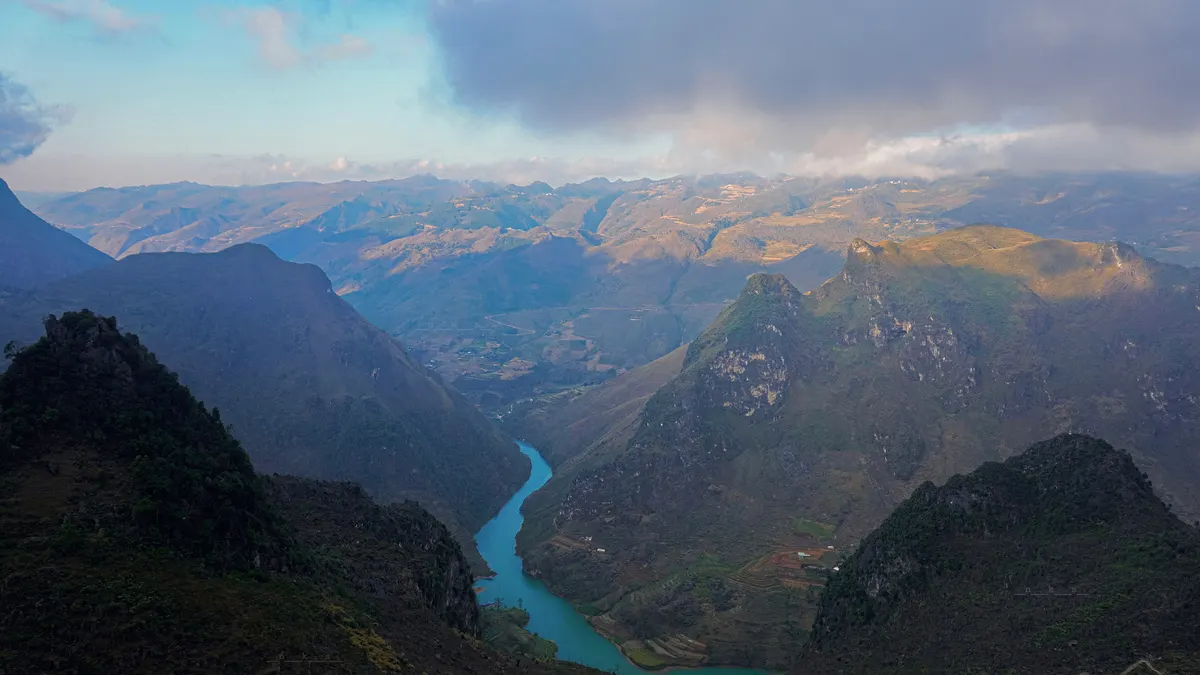
The best time for the Ha Giang Loop (Hà Giang Loop) for most travellers is October and November, when the rains are ending, buckwheat flowers cover the stony fields and the rice has just come in; late March to May is the quieter second choice. As of November 2026 the buckwheat season is under way: the festival opened in Dong Van on 25 October and its activities run to the end of December, while Lung Cu keeps passenger vehicles off its flagpole road at weekends until 28 February 2027. Winter is cold and foggy with Tet crowds, and June to August is green but wet, with landslides on the mountain passes.
This page goes month by month, for the loop of roughly 350 km from Ha Giang town over the Dong Van (Đồng Văn) Karst Plateau. For the route and the sights themselves, from Ma Pi Leng to the Lung Cu flagpole, see our Ha Giang Loop destination guide. Ha Giang has been part of Tuyen Quang (Tuyên Quang) province since 1 July 2025, when the National Assembly merged the two provinces (LuatVietnam); the name Ha Giang lives on for the loop and the town.
Ha Giang Loop month by month at a glance
The table puts together what Vietnamese press, the national tourism authority and Vietnam Airlines’ travel guide say about each month. There is no official month-by-month climate series for the plateau in the sources we could check, so it describes conditions rather than giving average temperatures. Dates for flowers move with the weather every year.
| Month | Weather on the plateau | In flower or in the fields | Road and rain risk | Crowds | Suits |
|---|---|---|---|---|---|
| January | Cold, foggy; frost in cold spells | Cherry blossom at Lung Cu around New Year | Fog on passes; ice possible on the coldest mornings | Very busy over the 1 January holiday | Photographers who pack for cold |
| February | Cold, misty and damp | Plum and apricot blossom in early spring | Fog; heavy holiday traffic | Tet peak (4–10 February in 2027) | Travellers who book early and avoid the holiday |
| March | Dry season, still cool, mist at times | Spring blossom on the plateau | Mostly dry roads | No holiday peak | First-timers wanting calm roads |
| April | Last month of the dry season, warming | Fields being prepared | Mostly dry | No holiday peak | Riders who want dry roads and few people |
| May | Rains begin | Water in the rice terraces | Showers start; check forecasts | Off-peak | Photographers of flooded terraces |
| June | Wet, very green | Young rice | Floods and landslides possible | Off-peak | Flexible travellers with spare days |
| July | Wet | Green rice | Highest chance of road problems | Off-peak | Only with spare days, or by car |
| August | Wet | Rice growing | Landslides after heavy rain | Off-peak | Only with spare days, or by car |
| September | Rains easing | Rice ripening (Hoang Su Phi terraces best now) | Late-season storms still possible | Building up | Rice-terrace lovers |
| October | End of the rainy season, cooler | Rice harvest; buckwheat begins; festival opened 25 October 2026 | Mostly dry from mid-month | High, very high at weekends | Most travellers |
| November | Dry, cool, colder nights | Buckwheat and rapeseed flowers | Dry | High; Lung Cu road rules at weekends | Most travellers |
| December | Cold, cloudy, foggy mornings | Last buckwheat; cherry blossom late in the month | Fog and cold on the passes | Rising towards New Year | Travellers who pack for real cold |
For how Ha Giang compares with the rest of the country in the same month, see our Vietnam weather by month guide.
September to November: rice harvest and buckwheat season
Autumn is the loop’s classic season. VnExpress’s Ha Giang travel handbook names October, November and December as the most beautiful months, when buckwheat (tam giac mach (tam giác mạch), a grain crop with pink and white flowers) and rapeseed fields are in flower, and says many people come in autumn for the golden rice (VnExpress). Vietnam Airlines’ travel guide recommends Ha Giang in both September and November.
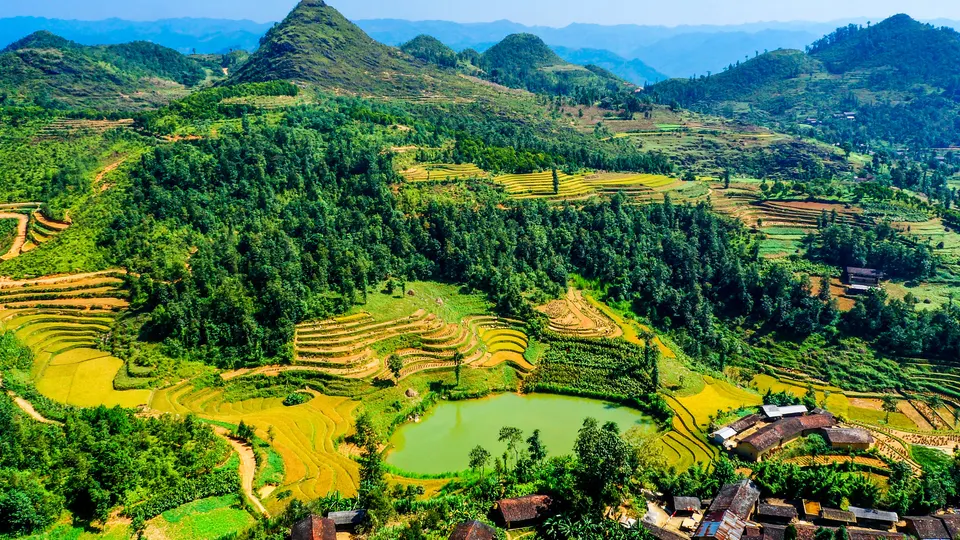
Why the order matters. The rice ripens first, then the buckwheat flowers. On the karst plateau, rice grows only in the valleys where there is water, such as Du Gia and around Yen Minh; the big terraces are west of the loop in Hoang Su Phi (Hoàng Su Phì), where about 675 hectares are a national scenic relic, Nhan Dan reports. VietnamPlus named September and October as the months to go there in 2026. If golden rice matters more to you than flowers, go in late September or early October and add a day for the detour.
Common vs exception. Buckwheat usually flowers from about mid-October into November, but the province now sows it in batches for the festival, so some fields stay in flower into December. A cold snap or late rain shifts everything by a week or two.
What it means for you. October and November give the most reliable roads of the year: VnExpress’s Dong Van handbook puts the rainy season from May to October and the dry season from November to April. The price is crowds, and nights that are already cold on the plateau.
The 2026 buckwheat festival and what it means on the road
The 12th buckwheat flower festival (le hoi hoa tam giac mach (lễ hội hoa tam giác mạch)) opened on the evening of 25 October 2026 at the Youth Square in Dong Van, with cultural, sports, trade, food and tourism activities running until the end of December (VOV). Dai Bieu Nhan Dan reported the same dates.
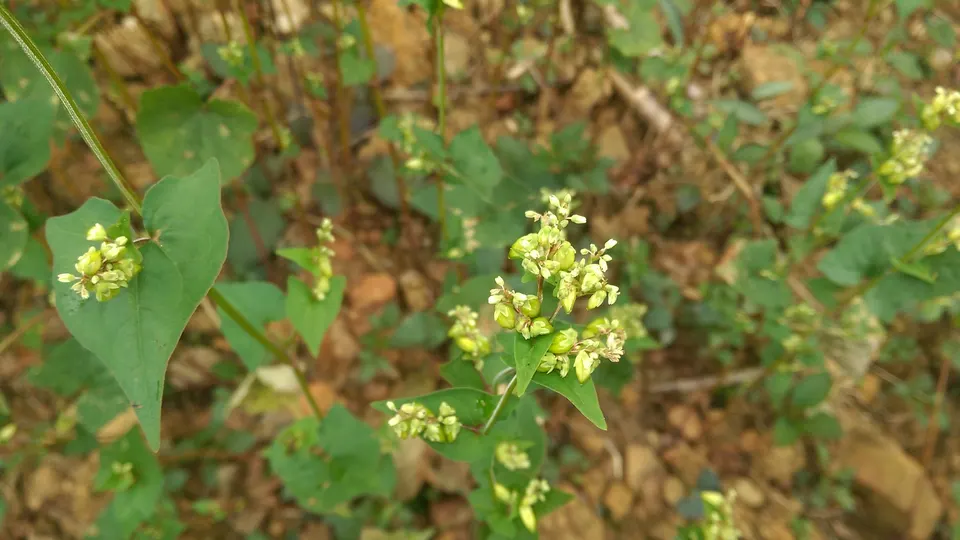
Dates move, so check them. In August 2026 VietnamPlus and VOV reported that the opening would be on 6 November, and that localities had sown about 400 hectares of buckwheat in three batches so that the flowers would peak in opening week, with flowering expected from October to December. The opening was then held almost two weeks earlier. The year before, the festival ran from 29 November to 8 December 2025, Tuoi Tre (Tuổi Trẻ) reported. Treat any festival date you read months ahead as provisional.
Crowds and road rules. All of Lung Cu’s more than 1,000 rooms were booked before the 2026 opening, Bao Van Hoa reported. For the season the commune has barred passenger vehicles from Lo Lo Chai village from 17 October 2026 to 28 February 2027, except electric tourist cars, the commune’s own motorbike-taxi team and residents’ vehicles, and set up drop-off points in the commune centre. In November 2025, when Lung Cu was receiving more than 10,000 visitors a week, Tuoi Tre reported a similar ban on the flagpole road, with walking, electric cars or motorbike taxis as the alternatives.
What it means for you. You do not need to be there for the festival: the flowers are the draw, and they last weeks either side of the opening. Plan Lung Cu and Lo Lo Chai for a weekday, sleep elsewhere if rooms are gone, and expect to walk or switch to a shuttle for the last stretch. By late October 2026 rooms in Lo Lo Chai and Dong Van were full on some weekends and event days, and traffic police were on duty around the clock to clear jams, Bao Van Hoa reported on 29 October.
December to February: cold, fog, blossom and Tet
Winter on the plateau is properly cold. VnExpress’s Dong Van handbook says temperatures can fall to 1–2 °C, with frost and occasional sleet or snow; on 23 January 2024 the national forecasting centre recorded 2.4 °C in Dong Van town, and freezing rain coated plants in Meo Vac (Mèo Vạc), Sai Gon Giai Phong reported. Vietnam Airlines lists the northern mountains as cold and cloudy in December and January, and flags Ha Giang as “misty and damp” in February.
Blossom. Cherry blossom (mai anh dao (mai anh đào)) flowers around Lung Cu in late December, and the commune held its first cherry blossom festival on 3 January 2026, according to Tuoi Tre and DTiNews. In spring, the VnExpress handbook says, plum and apricot blossom turns the hillsides white.
New Year and Tet crowds. Over the four-day New Year holiday in 2026 there was severe congestion on the way to the Lung Cu flag tower and at the Nho Que (Nho Quế) river; Znews reported waits of two to three hours for river boats and about 138,200 visitors to the province in four days. Over Tet 2026 visitor numbers rose sharply in the last days of the holiday: homestays were full, many booked one to two months ahead, rental motorbikes sold out, and the roads to Ma Pi Leng, the Nho Que and Tham Ma slope jammed, because narrow mountain roads cannot take the traffic (Znews).
What it means for you. In 2027 the official Tet holiday runs from 4 to 10 February, with Lunar New Year’s Day on 6 February, according to the Interior Ministry notice published by the Ha Tinh provincial portal. Either avoid that week and the New Year weekend, or book rooms and transport well ahead and ride the famous stretches early in the morning. Our Tet 2027 travel guide covers buses, trains and closures nationally, and Vietnam in December sets the North’s winter against warmer regions.
March to May: the quiet dry-to-wet shoulder
Spring gets less attention than autumn, which is its main advantage. The dry season on the plateau runs to April, according to VnExpress’s Dong Van handbook, so roads are mostly dry, and there is no big holiday or festival on the plateau (VnExpress).
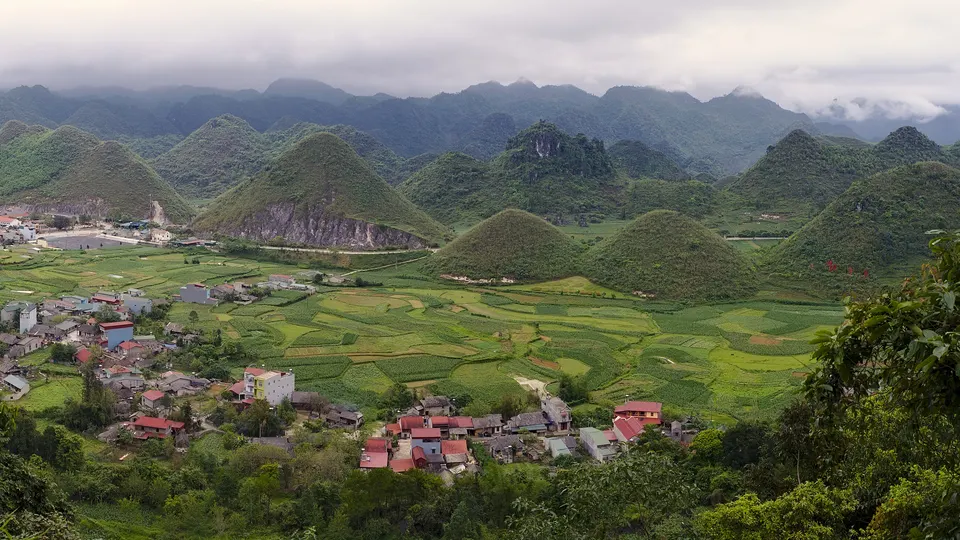
What you see. March still has blossom and some cool, misty days. By May the rains have begun and farmers fill the paddies: the VnExpress Ha Giang handbook describes the fields shimmering with water in May, and Vietnam Airlines recommends Ha Giang that month. The landscape is less colourful than in autumn, browner in March and greener by May.
What it means for you. For a first-timer who wants calm roads, late March to early May is the easiest time to ride or sit behind an easy rider. In late May, keep a spare day in case the first heavy showers close a pass.
June to August: green, wet and landslide season
Summer is the wettest time. VnExpress’s handbook says many people skip Ha Giang in June and July because of sudden summer downpours, though the wet weather makes the mountains intensely green; Vietnam Airlines still recommends it in June. The risk is the road, not the rain itself.
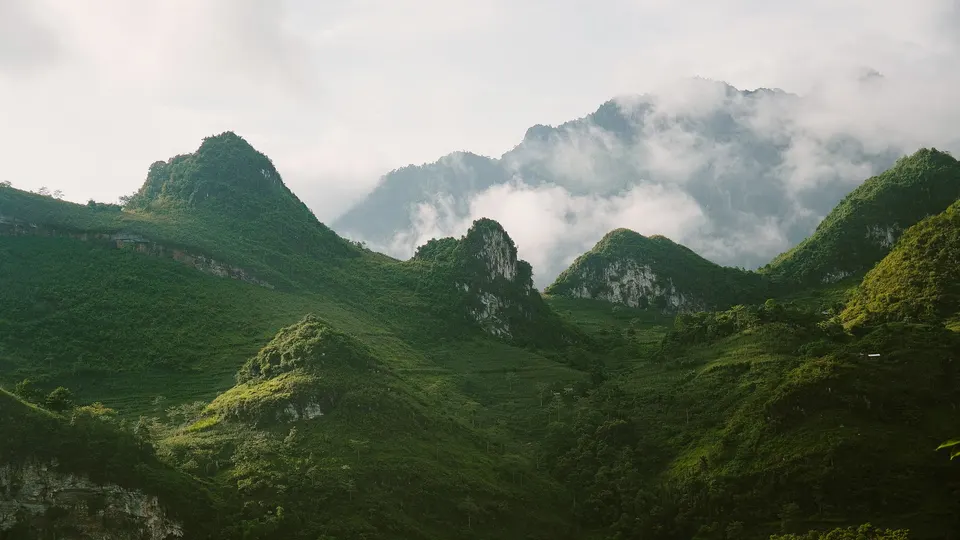
What has happened. On 9 June 2024 floodwater and landslides cut the road down from the Ma Pi Leng pass towards the Nho Que river, and tourists on motorbikes were stuck for about four hours, Tuoi Tre reported. In the same days a 700-metre stretch of Road 4C near Meo Vac was under water; police brought about 400 foreign tourists through, the province set up checkpoints at landslide-prone spots and told travel agencies to halt unsafe activities (VietnamNet). In early August 2026 overnight rain caused landslides that blocked roads in Tuyen Quang, and the provincial weather station warned of flash-flood and landslide risk in 29 communes, DTiNews reported.
What it means for you. If summer is your only window, build in one or two spare days, consider a car instead of a motorbike, and follow the advice Bao Van Hoa gave in July 2026: never try to cross a flooded ford, a submerged road or a barricaded section, and change plans when authorities warn. The national tourism authority’s advice for the loop applies all year but matters most now: ride in daylight and stop after dark.
Which month suits you: a decision checklist
Most choices come down to three things: what you want to see, how much cold or rain you can take, and whether your dates are fixed.
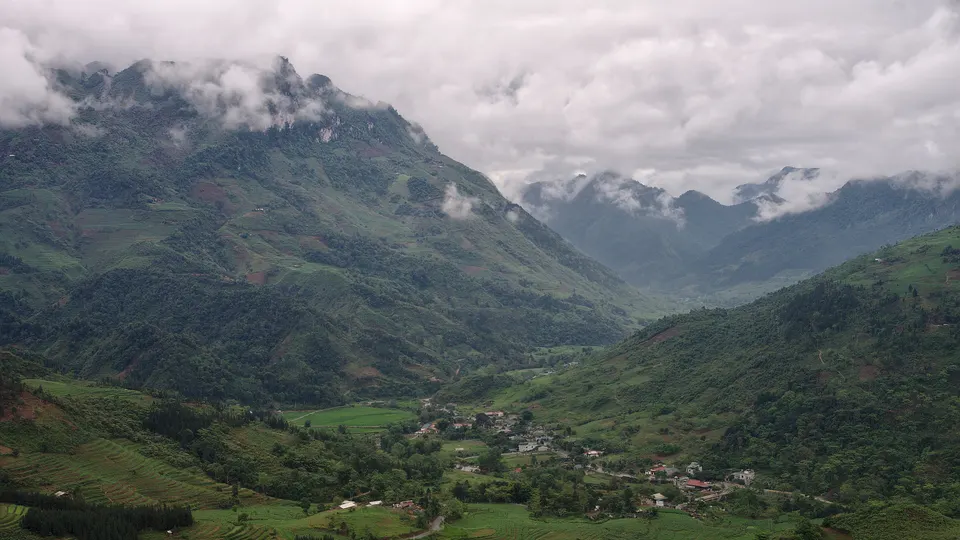
- You want flowers and can book early: mid-October to late November, weekdays at Lung Cu.
- You want golden rice: late September to early October, with a detour to Hoang Su Phi.
- You want quiet, dry roads: late March to early May.
- You are riding yourself for the first time on these roads: a dry month (November, March, April), never the rainy peak.
- Your only window is summer: go with spare days and a flexible operator, or by car.
- Your only window is December to February: pack for near-freezing mornings, expect fog on the passes, and avoid New Year and the Tet week unless everything is booked.
- You are combining mountain trips: autumn also suits Sa Pa and Cao Bang and Ban Gioc Waterfall; our best time to visit Vietnam guide fits Ha Giang into a longer route.
The same choice as a table, built from the dated reports cited on this page; the festival programme of performances, craft workshops and a food fair runs from October to the end of December 2026 (Nhan Dan).
| When you go | What you get | Main drawback | Crowds and booking | Suits |
|---|---|---|---|---|
| Mid-October to late November | Buckwheat flowers, festival events, mostly dry roads | Weekend vehicle ban at Lung Cu until 28 February 2027 | Very busy; Lung Cu’s 1,000+ rooms were full before the 2026 opening | Most travellers, on weekdays |
| Late September to early October | Ripe rice in Du Gia and the Hoang Su Phi terraces | Late-season storms still possible | Building up | Rice-terrace lovers with a spare day for the detour |
| Late March to early May | Mostly dry roads, water in the terraces by May | Browner, less colourful landscape | No holiday peak | First-timers who want calm roads |
| June to August | Very green mountains | Floods and landslides on the passes | Off-peak | Flexible travellers with 1–2 spare days, ideally by car |
| December to February | Cherry blossom around Lung Cu, fog and frost | Near-freezing mornings; Tet holiday 4–10 February 2027 | Very busy over New Year and Tet | Travellers who pack for cold and avoid the holidays |
Whatever the month, the loop starts with a bus from Hanoi, and a night in Ha Giang town before riding is safer than starting straight off an overnight bus.
Common mistakes when picking dates
Most of the trouble travellers run into on the loop comes from timing, not from the route.
- Planning around a festival date announced months ahead. The 2026 opening moved from 6 November to 25 October. Plan around the flowering season, not the opening night.
- Turning up at Lung Cu on a weekend in peak season without a plan. Until 28 February 2027 passenger vehicles may not drive from the Border Guard post up to the flagpole on Saturdays and Sundays, and Lo Lo Chai village is closed to them every day (Bao Van Hoa).
- Expecting to find a room on arrival over Tet or New Year. In 2026 homestays were full and some travellers slept in their cars.
- Packing for Hanoi in winter. The plateau is far colder, and you feel it more on the back of a motorbike in fog.
- Using a short plan in the rainy season. A three-day loop with no spare day leaves you nowhere to go when a pass closes; our guide to easy rider, self-ride or car tours compares the ways of riding, and our Ha Giang Loop day-by-day plans for 3, 4 or 5 days show where a spare day fits.
- Riding the last stretch after dark to stay on schedule. In fog, rain or holiday traffic this is when accidents happen; stop for the night instead.
Pick your month from the table, book rooms for October, November, New Year and Tet well ahead, and keep one spare day whatever the season. For the wider region, start at our North Vietnam hub.
Frequently asked questions
Do I need to book Ha Giang homestays ahead in November?
Yes, especially for weekends. All of Lung Cu's more than 1,000 rooms were booked before the buckwheat festival opened on 25 October 2026, and by late October rooms in Lo Lo Chai and Dong Van were full on some weekends, Bao Van Hoa reported.
Can tour vehicles drive up to the Lung Cu flagpole at weekends?
Not until 28 February 2027: on Saturdays and Sundays passenger vehicles may not use the stretch from the Border Guard post to the Lung Cu flagpole, and Lo Lo Chai village is closed to them every day except electric tourist cars, the commune's motorbike-taxi team and residents' vehicles. Expect to walk or switch to a shuttle or motorbike taxi for the last stretch.
Which month is best for golden rice terraces near the Ha Giang Loop?
Late September to early October. On the Dong Van plateau rice grows only in valleys such as Du Gia, so the big terraces are in Hoang Su Phi, west of the loop, where VietnamPlus named September and October as the months to go in 2026.
Is it safe to do the Ha Giang Loop in the rainy season?
It can be done, but June to August brings floods and landslides: in June 2024 floodwater cut Road 4C near Meo Vac and police escorted about 400 foreign tourists through. Keep spare days, ride only in daylight and never cross a flooded or barricaded section.
How cold does Ha Giang get in December and January?
Cold, especially on the Dong Van plateau, where temperatures can drop to 1–2 °C and frost forms in cold spells; Dong Van town recorded 2.4 °C on 23 January 2024. Fog and low cloud on the passes are common.
Key sources
- Khai mạc Lễ hội hoa Tam giác mạch năm 2026: Âm vang miền đá · VOV, 26 October 2026
- Lũng Cú kín phòng lưu trú trước ngày hội hoa tam giác mạch · Báo Văn Hóa, 24 October 2026
- Police assist 400 foreign tourists stranded by floods in Ha Giang · VietnamNet, 12 June 2024
- Vì sao Hà Giang thất thủ ngày Tết · Znews, 21 February 2026
- Cẩm nang du lịch Hà Giang · VnExpress (updated 21 April 2026)
- Cẩm nang du lịch Đồng Văn · VnExpress (updated 23 March 2026)
- Resolution 202/2025/QH15 on the reorganization of provincial-level administrative divisions · National Assembly of Vietnam, 12 June 2025 (LuatVietnam English)
- Không chỉ là cuộc hẹn với mùa hoa · Nhân Dân, 29 October 2026
All 26 sources and further reading
- The Ha Giang loop: a four-day road trip · Vietnam National Authority of Tourism (vietnam.travel)
- Tuyên Quang: Lễ hội hoa Tam giác mạch 2026 sẽ khai mạc ngày 6/11 tại Đồng Văn · VietnamPlus (VNA), 4 August 2026
- Hơn 400ha Tam giác mạch được gieo trồng cho mùa lễ hội tại Tuyên Quang · VOV, 5 August 2026
- Tuyên Quang khai mạc Lễ hội hoa Tam giác mạch 2026 · Đại Biểu Nhân Dân, 26 October 2026
- Lý do tạm dừng xe chở khách lên cột cờ Lũng Cú · Tuổi Trẻ, 22 November 2025
- Severe congestion hits Ha Giang tourist sites over new year holiday · DTiNews (Dân Trí), 4 January 2026
- Lên đồ ngắm mùa hoa mai anh đào ở Hà Giang · Tuổi Trẻ, 30 December 2025
- Nhiều khách bỏ cuộc khi Hà Giang đông quá tải · Znews, 4 January 2026
- Mèo Vạc, Mẫu Sơn có băng giá · Sài Gòn Giải Phóng, 23 January 2024
- Tết Nguyên đán 2027: công chức, viên chức được nghỉ 7 ngày liên tục · Hà Tĩnh provincial portal, 9 October 2026
- Mưa lũ cuồn cuộn, nhiều khách du lịch nước ngoài kẹt 4 tiếng ở lưng đèo Mã Pì Lèng · Tuổi Trẻ, 9 June 2024
- Heavy rain triggers landslides, disrupts traffic in Tuyen Quang · DTiNews (Dân Trí), 3 August 2026
- Mùa mưa đến, du khách cần đặc biệt lưu ý những cung đường dễ sạt lở · Báo Văn Hóa, 18 July 2026
- Gợi ý những cung đường vàng mùa lúa chín giàu bản sắc trên rẻo cao Tây Bắc · VietnamPlus (VNA), 10 September 2026
- Hoàng Su Phì – miền ruộng bậc thang kỳ ảo · Nhân Dân, 18 January 2025
- Seasons in Vietnam · Vietnam Airlines travel guide
- Mùa hoa tam giác mạch 2026: Không chỉ có những thảm hoa · Báo Văn Hóa, 29 October 2026
- Weather and climate in Vietnam · Vietnam National Authority of Tourism (vietnam.travel)
Keep exploring
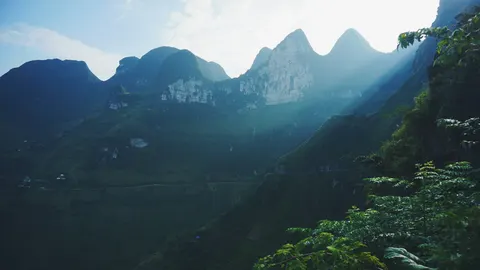 North Vietnam · Travel Ha Giang (Hà Giang) Loop: What to See and How to Ride Safely What to see on the Ha Giang Loop, from Ma Pi Leng and Lung Cu to Dong Van's old quarter, and how to ride it safely under the 2026 tour and licence rules.
 North Vietnam · Travel Ha Giang Loop: Easy Rider, Self-Ride or Car? Which to Book Easy rider, self-ride or car on the Ha Giang Loop? As of November 2026: the April safety rules, tour prices, licence checks and Lung Cu road closures.
 North · Central · South · Travel Vietnam Weather by Month: What to Expect in Each Region Vietnam weather month by month for Hanoi, Hoi An, Nha Trang, Da Lat, Saigon and Phu Quoc: official averages, typhoon season, 2027 holidays and El Nino outlook.
 North · Central · South · Travel Vietnam in December 2026: Where to Go, What to Book Vietnam in December 2026: dry Saigon and Phu Quoc, cool Hanoi, a wet Hue–Hoi An coast, Da Lat's festival from 12 Dec, the new Long Thanh airport, what to book.