South Vietnam · Culture
Lanh My A Silk (Lãnh Mỹ A): How It's Dyed, How to Spot It
Lanh My A, Tan Chau's black silk: how mac nua fruit dyes it in about 100 baths, why only a couple of workshops remain, how to spot the real thing, and visiting.
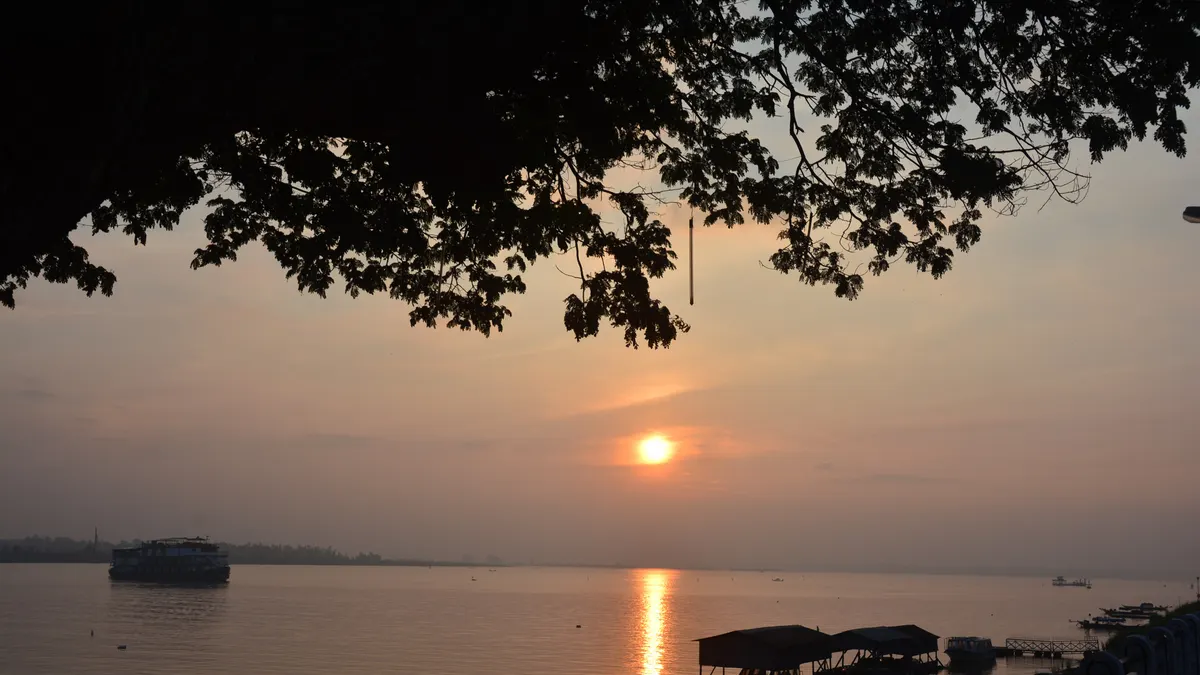
Lanh My A (lãnh Mỹ A) is a glossy black silk satin from Tan Chau (Tân Châu), a river town in An Giang province near the Cambodian border, and its colour comes from one thing only: the juice of the mac nua (mặc nưa) fruit, worked into the cloth through about a hundred dips and sun-dryings. As of September 2024, only two traditional workshops were still making it in Tan Chau, VOV Traffic reported (VOV Giao thong), so the name is used far more often than the real fabric is sold.
This page explains what makes the silk itself, how it is dyed, why it became rare and how to tell the real thing when someone offers it to you. It is the fabric behind the black blouses in our ao ba ba guide; for the wider picture of southern dress and festivals, see the culture hub.
Lanh My A at a glance
Facts below were checked against Vietnamese national press and state broadcasters on 19 November 2026; prices are dated because they change.
| Lanh My A | |
|---|---|
| What it is | Black satin woven from 100% silk and dyed with mac nua fruit |
| Where | Tan Chau, on the upper Tien River near Chau Doc, An Giang province (since July 2025 enlarged with the former Kien Giang) |
| The three tests | Pure silk · eight-shaft satin weave (“satin 8”) · dyed with mac nua fruit (Diospyros mollis) |
| Dyeing | About 90 kg of fruit, around 100 dips and dryings over 40–45 days, then 5–7 days of beating, for one 21 m roll (VOV World, Oct 2024) |
| Season | Only when mac nua fruit is available, in the middle months of the lunar year; reports give different months |
| Workshops left | Two traditional workshops in Tan Chau (VOV Traffic, Sep 2024) |
| Price | About 1 million dong a metre (Nhan Dan, May 2022) |
| Status | Provincial craft village since Dec 2006; no national heritage listing for lanh My A found as of Nov 2026 |
What makes lanh My A different from other silk?
Three things, all of which must be present. The cloth has to be made entirely of natural silk, woven in an eight-shaft satin weave (described by the makers as the hardest silk weave), and dyed black with mac nua fruit, Tan Chau’s artisans told VOV Traffic in September 2024. Take away any one of them and you have black silk, or black satin, but not lanh My A. The satin weave is what gives the cloth its smooth, mirror-like face; the mac nua dye gives the deep black that, an older Tan Chau resident told Nhan Dan, grows glossier the longer the cloth is kept.
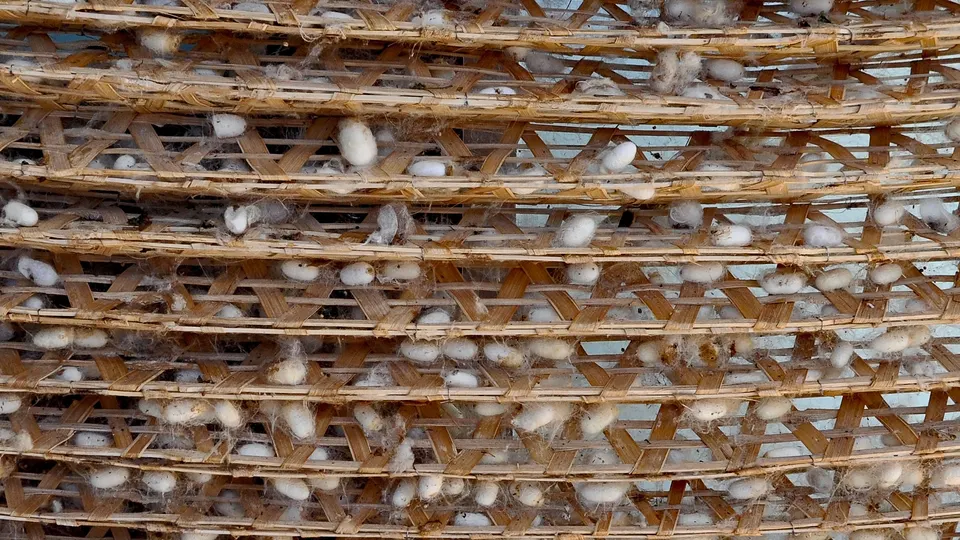
The fruit and the fibre suit each other. “Lanh My A is a type of silk that goes well with the mac nua fruit,” the master dyer Nguyen Van Long, known as Tam Lang, told VOV World; the same dye on other cloth does not give the same result (VOV World). Today much of the raw silk is bought in, some of it from Bao Loc in Lam Dong, SGGP reported; the weaving and dyeing are what make it Tan Chau cloth.
Where the name comes from is not settled. Le Thi Kieu Hanh of the Hong Ngoc workshop told Nhan Dan that “My” means beautiful and “A” means first grade, while VOV Traffic says nobody knows for certain when, where or why the name appeared. Treat the “beautiful, grade A” reading as a local explanation rather than established history.
How is lanh My A dyed with mac nua fruit?
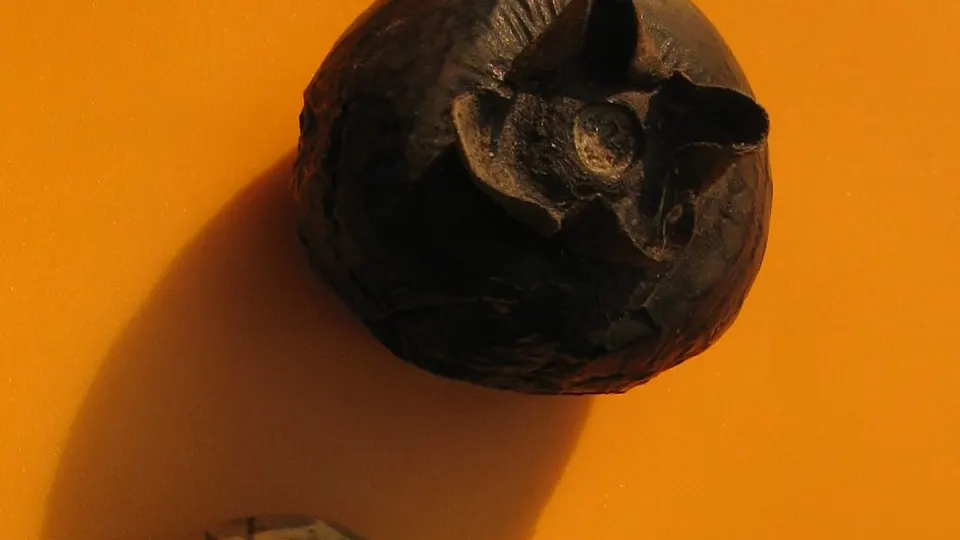
Slowly, in sunlight, and in rounds. The fruit is picked while still greenish-yellow, ground, filtered and mixed with water into a thick juice that is yellow at first and turns black in the air; the silk is dipped so that every thread soaks it up, then laid out in strong sun, and the cycle is repeated. Dyers call each round a “da”, and Nhan Dan counted more than five rounds and hundreds of dips over about 45 days before the cloth is black.
| Step | What happens | Why it matters |
|---|---|---|
| 1. Weave | Pure silk is woven in satin 8 | The dense satin face takes the dye evenly and gives the shine |
| 2. Gather fruit | Mac nua fruit is bought in season; about 90 kg dyes one 21 m roll | No fruit, no lanh My A: the season sets the year’s output |
| 3. Make the dye | Fruit is ground, sieved and mixed with water into a thick juice | The juice is used the same day; dyers judge the weather before making it |
| 4. Dip and sun-dry | The silk is dipped and dried in sun about a hundred times over 40–45 days | The black develops in sunlight; rain or weak sun spoils the batch |
| 5. Beat and rinse | Rolled cloth is beaten for 5–7 days, washed, then dyed again in shorter rounds | Beating drives the resin into each thread and softens the cloth |
| 6. Finish | Sizing, rinsing and softening | Gives the soft hand and the final gloss |
Nguyen Huu Tri, Tam Lang’s son, described the rhythm to VOV World in October 2024: ten to twelve days of dyeing, then washing and beating, nine or ten days more before the second round, with each later round shorter. In 2023 he told Phap Luat TP.HCM that a batch of juice ruined by a sudden shower could mean losing one to two million dong, and that with washing and beating a full run could stretch to three or four months.
The fruit season is reported differently. Viet Nam News, quoting Tri in 2018, gave the sixth to the twelfth lunar months, while the Hong Ngoc workshop told Nhan Dan in 2022 that the trees fruit in the fifth and sixth lunar months. Either way, dyeing is seasonal work, which is why the workshops cannot simply make more when orders arrive.
Why is lanh My A so rare, and who still wears it?
Because the fruit, the workers and the market all shrank. Tan Chau’s silk trade grew from the 1920s, when most people in Long Hung village (later Long Chau ward) grew mulberry, raised silkworms and wove, and by the 1940s the town was the biggest silk centre in the Mekong Delta, according to VOV World. In the 1950s and 1960s its silk was sold to neighbouring countries and Europe. From the 1970s cheap synthetic fabric took over, mac nua orchards were cut down for other crops and most families switched to other cloth.
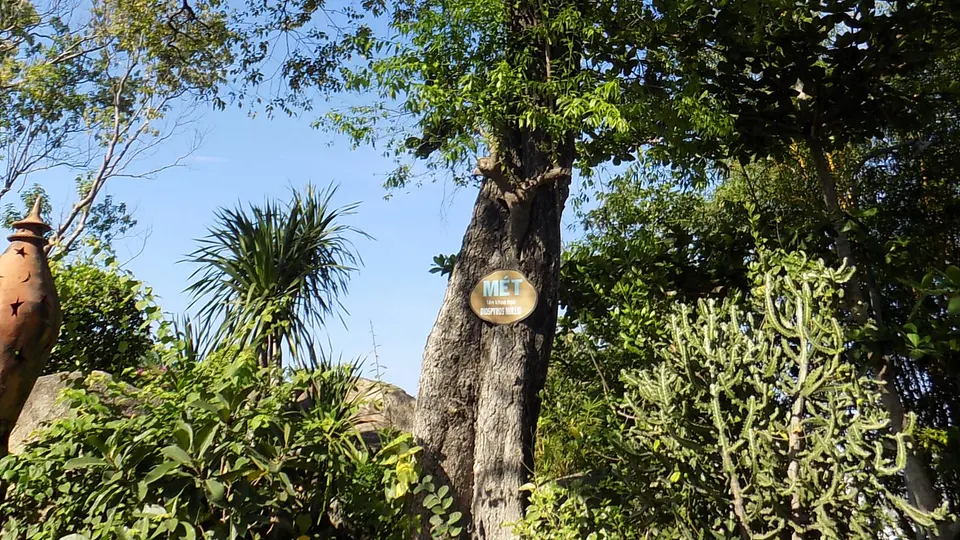
By the mid-1990s only Tam Lang’s family still wove in the traditional way, SGGP reported, and a French buyer named Rose helped revive the craft in the 1990s with export orders, Viet Nam News wrote in 2018. The fruit problem has not gone away: in 2023 Nguyen Huu Tri said no tree around Tan Chau gave good enough fruit, so he collected it from all over and bought some from Cambodia, and that six years of growing his own trees had not produced usable fruit (Phap Luat TP.HCM). His dyers were mostly middle-aged, and the work lasted only three or four months a year.
Tradition vs today. In the old delta a set of lanh My A clothes, especially the black trousers, was something wealthy families wore and others saved for weddings and Tet, a 79-year-old resident told Nhan Dan. Later the main buyers were cai luong (southern opera) and theatre troupes, Tam Lang told SGGP. Today the fabric lives on mostly as a designer material: Vo Viet Chung showed it in Kuala Lumpur in 2004 and Berlin in 2005 and built a Lanh My A collection into his 30th-anniversary show in Ho Chi Minh City on 22 December 2025, VnExpress reported, and Cong Tri made it the centre of his Autumn–Winter 2025 collection, featured by Vogue, Tuoi Tre reported in April 2025. Makers have also added colours such as amber and grey from other plant dyes, alongside the classic black.
How can you tell real lanh My A from imitations?
Ask three questions and look at the price. Real lanh My A meets all three tests above, comes from a named Tan Chau workshop and is expensive: about 1 million dong a metre, 1.5 million for a shirt and 1 million for a shawl at the Hong Ngoc workshop in May 2022 (Nhan Dan). Cloth sold as “lanh My A” for a small fraction of that is almost certainly something else.
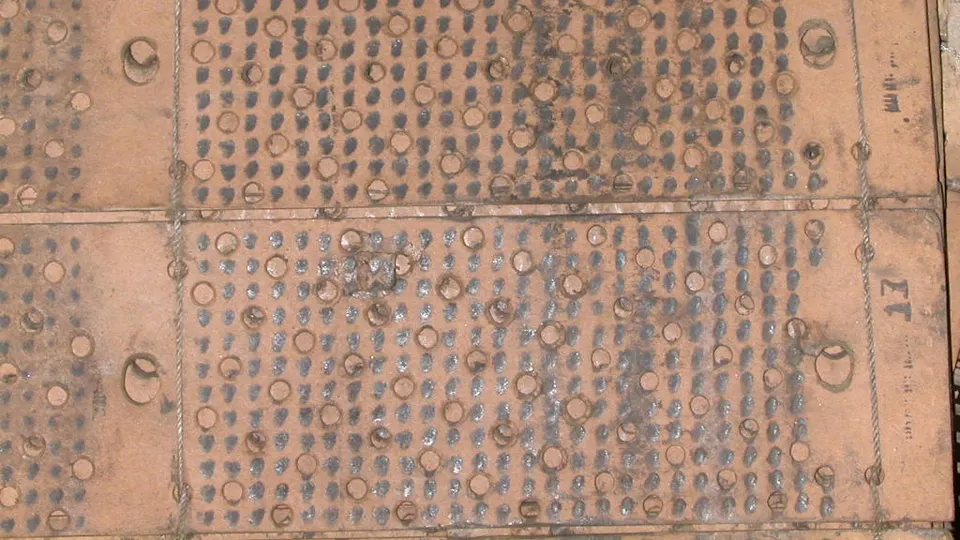
The confusion is understandable, because the same workshops make cheaper cloth too. When SGGP visited Tam Lang’s family, they ran 31 machines weaving synthetic brocade (gam) for city orders and only two traditional silk looms; the brocade sold for under 10,000 dong a metre against about 350,000 dong for traditional silk. In 2023 Tri said he also wove coloured fabrics to keep the business going.
| What you are offered | What it probably is | What to ask or check |
|---|---|---|
| Deep, glossy black satin, 100% silk, from a named Tan Chau workshop, priced around a million dong a metre (2022) | Genuine lanh My A, plain black (“den tron”) or patterned black (“den bong”) | Ask which workshop dyed it and with what fruit |
| Coloured “lanh My A” in amber, grey or other shades | A newer variant woven the same way but coloured with other plant dyes | Fine to buy; just know it is not the classic black |
| Shiny black fabric at a market for a few tens of thousands of dong a metre | Synthetic satin or brocade, not lanh My A | Ask for the fibre content; real silk at that price is unlikely |
| Shiny patterned brocade from a Tan Chau workshop | Synthetic gam woven on modern machines | A local product, but not lanh My A |
Is lanh My A a heritage craft?
At provincial level, yes; at national level, not as far as we could find. An Giang province recognised the Tan Chau silk craft village by Decision 2548/QD-UBND of 20 December 2006, Nhan Dan reported, with 938 households in the village and 243 of them in the trade; SGGP reported the recognition in May 2007. Lanh My A is often described as a “heritage” fabric, but in November 2026 we found no Ministry of Culture listing for it on the national intangible heritage list.
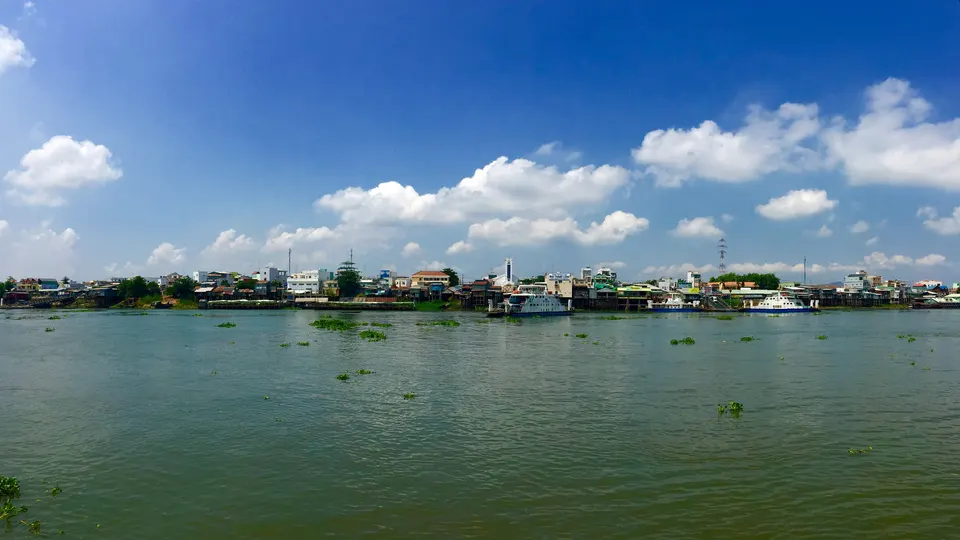
The likely source of the mix-up is a different Tan Chau craft. In December 2023 An Giang announced the Ministry of Culture’s decision adding the brocade weaving of the Cham people of Chau Phong, in Tan Chau, to the national intangible heritage list, together with the life-cycle rites of the Cham Muslims (Bao Quoc te). Cham weaving at Chau Phong is patterned and colourful; lanh My A is plain black satin. Both are worth seeing, and our Champa heritage guide covers the Cham story more widely.
Can you visit Tan Chau to see or buy lanh My A?
Yes, if you plan it as a side trip from Chau Doc. Tan Chau sits on the upper Tien River near Chau Doc, and since 1 July 2025 it has been part of an enlarged An Giang province that absorbed Kien Giang (Vietnam Government Portal); its centre is now Tan Chau ward, formed that day from two of the old town’s wards, Tap chi Cong Thuong reported in September 2026. The silk workshops are in the old Long Chau ward.
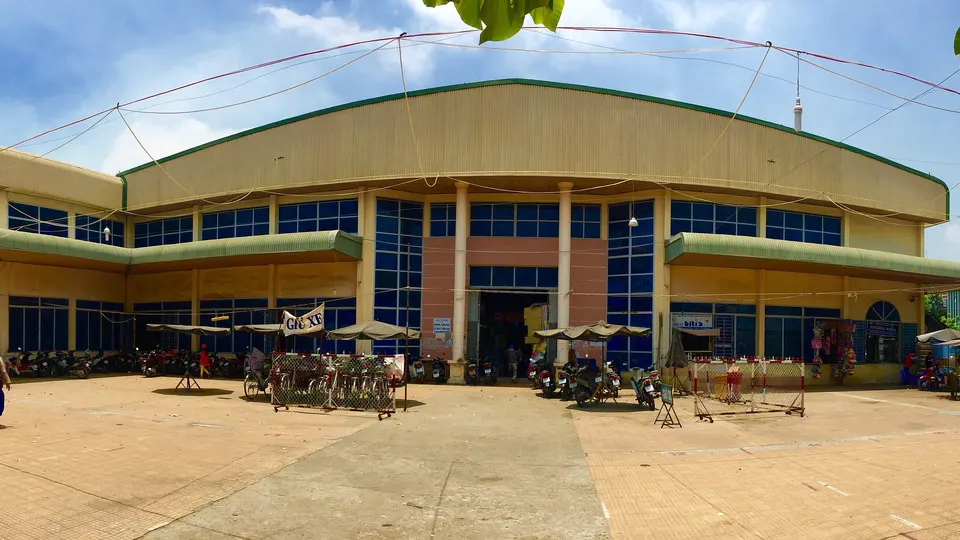
The two workshops named in national press are Tam Lang (run by Nguyen Huu Tri) and Hong Ngoc (run by Le Thi Kieu Hanh, who told Nhan Dan in 2022 that her son would continue the trade). Nhan Dan met a group of visitors from Ho Chi Minh City buying silk at Hong Ngoc, so buying on site is possible, but these are family businesses: arrange the visit through your hotel or a guide in Chau Doc rather than turning up unannounced.
Before you go:
- Check the season. You will only see silk drying in the mac nua season and on sunny days; outside it you may see weaving and finished cloth only.
- Ask what you are buying. Ask whether the cloth is lanh My A dyed with mac nua or a coloured or synthetic product, and expect the price to match.
- Combine it with the delta. Tan Chau fits a day or half-day from Chau Doc, the base for Sam Mountain; our Mekong Delta guide helps you plan the wider trip.
- See it worn. For how the black silk was worn, compare it with the formal ao dai, and see the South Vietnam hub for the region.
Frequently asked questions
Is lanh My A silk still made in Tan Chau?
Yes, but only by a handful of family workshops. VOV Traffic reported in September 2024 that two traditional lanh My A workshops remained in Tan Chau, and their output depends on how much mac nua fruit they can find each season.
How much does lanh My A cost?
In May 2022 the Hong Ngoc workshop in Tan Chau quoted about 1 million dong a metre, 1.5 million for a shirt and 1 million for a shawl, Nhan Dan reported. Prices change, so treat these as a guide and expect to pay more for tailored clothes.
What fruit is used to dye lanh My A black?
The fruit of the mac nua tree (Diospyros mollis). The ground fruit gives a yellowish juice that turns black as it dries on the silk in the sun.
Is lanh My A a UNESCO or national heritage craft?
Not as far as we could find in November 2026. Tan Chau's silk weaving was recognised as a provincial craft village in December 2006; the national intangible heritage listing announced in Tan Chau in December 2023 covers Cham brocade weaving at Chau Phong, a different craft.
Can I visit a lanh My A workshop in Tan Chau?
Workshops in Tan Chau's old silk ward have received visitors and sold fabric on site, according to Nhan Dan, but they are family businesses, not museums. Arrange a visit through your hotel or guide in Chau Doc and go on a dry, sunny day if you want to see silk drying.
Key sources
- Luxuriously handmade Lanh My A silk of Tan Chau · VOV World (Voice of Vietnam), 10 October 2024
- Lụa Tân Châu, nghề xưa còn mãi · VOV Giao thông (Voice of Vietnam), 4 September 2024
- Vang danh lụa lãnh Mỹ A · Nhân Dân, 29 May 2022
- Người cuối cùng giữ hồn nghề dệt nhuộm lãnh Mỹ A · Pháp Luật TP.HCM (now Tuổi Trẻ), 29 September 2023
- Nghi lễ vòng đời và nghề dệt thổ cẩm người Chăm là di sản văn hoá phi vật thể Quốc gia · Báo Quốc tế, 10 December 2023
- Lụa Tân Châu được công nhận làng nghề · Sài Gòn Giải Phóng, 24 May 2007
- Thương nhớ lụa xưa · Sài Gòn Giải Phóng
- Names and administrative centers of 34 provinces and centrally-run cities specified · Vietnam Government Portal, 15 April 2025
All 13 sources and further reading
- Lãnh Mỹ A Silk: an uncertain future · Việt Nam News, 11 March 2018
- Công Trí đưa Lãnh Mỹ A lên tạp chí Vogue · Tuổi Trẻ Cười, 9 April 2025
- Dàn mỹ nhân một thời diễn áo dài lãnh Mỹ A · VnExpress, 23 December 2025
- Phường Tân Châu (An Giang): Phát triển thành đầu mối giao thương, dịch vụ và logistics khu vực biên giới · Tạp chí Công Thương, 14 September 2026
- Lãnh Mỹ A · Wikipedia (Vietnamese)
Keep exploring
 South Vietnam · Culture Ao Ba Ba (Áo Bà Ba): The Southern Blouse vs the Ao Dai Ao ba ba, the Mekong Delta's hip-length blouse: how it differs from the ao dai and ao tu than, its debated origins, black lanh My A silk, and where to see one.
 South Vietnam · Travel Chau Doc (Châu Đốc): What to See in 2 Days, and When to Go Plan Chau Doc by the Cambodian border: Sam Mountain and its UNESCO-listed Ba Chua Xu festival, Cham villages, Tra Su forest, bun ca, flood season.
 South Vietnam · Travel Mekong Delta: Which Area to Visit and Where to Base Which part of the Mekong Delta to visit and where to base: Can Tho, Ben Tre or Chau Doc, Cai Rang market hours, seasons, where to eat, new province names.