North Vietnam · Travel
Hanoi to Sapa: Train, Sleeper Bus or Van – Which to Book?
Hanoi to Sapa as of November 2026: night train to Lao Cai, sleeper bus, limousine van or car compared by time and fare, plus the transfer, road works and Tet.
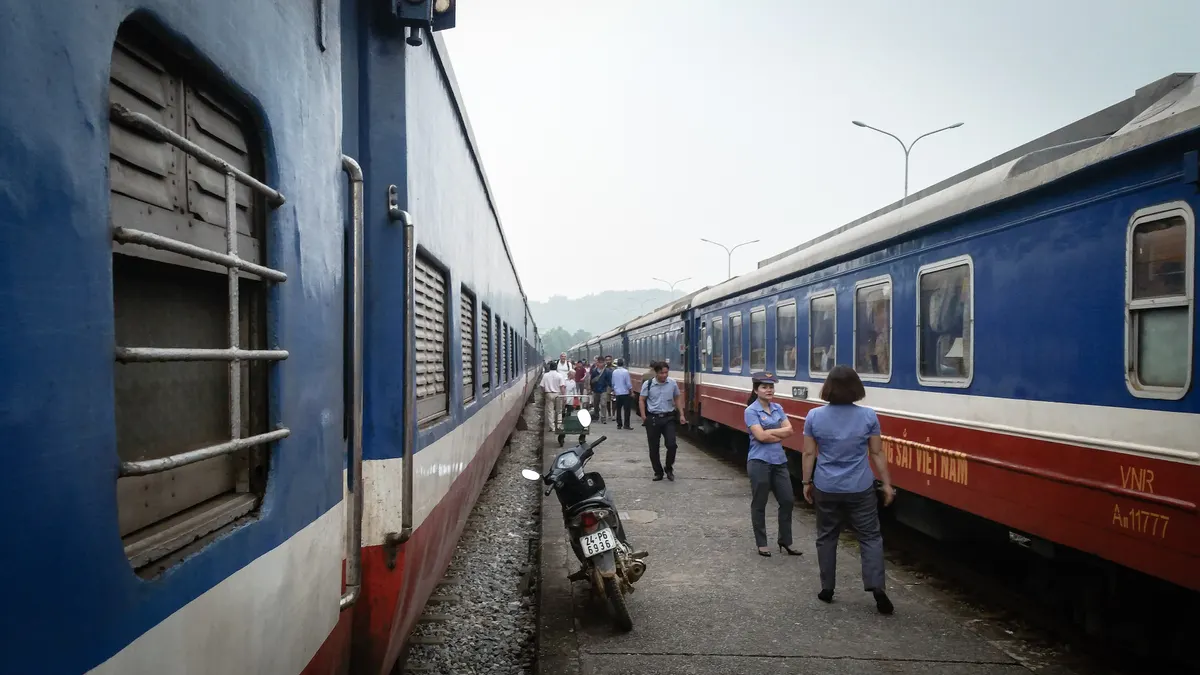
Book a limousine van or bus if you want the quickest trip from Hanoi to Sa Pa, about 5 to 6 hours door to door up the expressway; book the night train to Lao Cai (Lào Cai) if you want to arrive at dawn and save a hotel night, then drive the last hour up to Sa Pa. As of November 2026 three night trains a day run from Hanoi to Lao Cai, up from two before 10 October 2026, so berths are easier to get than a year ago (Bao Lao Cai).
This page compares the four ways to make the trip, with times and fares only where a dated source gives them, then covers the Lao Cai transfer, the expressway, landslides and Tet, a step-by-step plan and the mistakes that cost people a morning. For the town, the rice terraces and how to visit the villages, start with our Sa Pa guide.
Hanoi to Sa Pa at a glance: which option suits you?
Times are one way. Each figure is given with its source and date; where two sources differ we show both. Prices change with season and operator, so treat them as a guide, not a quote.
| Option | Time (source, date) | Fare reported (source, date) | Leaves from / arrives at | Best for | Watch out |
|---|---|---|---|---|---|
| Night train + transfer | Train 7 h 35 min–7 h 50 min (timetable from 10 Oct 2026, Bao Lao Cai); about 1 hour more by road from Lao Cai | Berth 280,000–420,000 dong (Bao Lao Cai, Sep 2024); 300,000–500,000 dong (VietNamNet, Dec 2024); railway shuttle to Sa Pa 55,000 dong (Sep 2024) | Hanoi Station (also stops at Gia Lam) → Lao Cai station, then road to Sa Pa | Saving a hotel night; travellers who get carsick on mountain roads | Two-step trip; 05:20–06:27 arrival; berths sell out at weekends and holidays |
| Limousine van (day) | About 5–6 hours (VietNamNet, Dec 2024) | About 450,000 dong (VietNamNet, Dec 2024) | Hotel or set pick-up points in Hanoi → hotel or set points in Sa Pa | Fastest door to door; small groups; daylight views | Ask about luggage space; winding last hour |
| Sleeper bus (day or night) | Night buses arrive in the small hours (sample 22:00 → 04:00, Vietnam Airlines guide, checked Nov 2026) | Similar to a limousine; double cabin about 700,000 dong (VietNamNet, Dec 2024) | Coach stations (My Dinh) or operator offices / Old Quarter pick-ups → Sa Pa bus station or town | Tight budgets; booking at short notice | Early-hours arrival; mountain-road safety debate |
| Private car with driver | Hanoi–Lao Cai about 3.5 hours on the expressway (expected at opening, Tuoi Tre News, Sep 2014), plus the climb to Sa Pa | Quoted per car by operators; no dated press figure | Your hotel → your hotel | Families, groups, stops on the way | Most expensive; agree tolls, stops and drop-off in writing |
How to decide. If you sleep on trains and arrive with no hotel booked until the afternoon, the night train is the best value: you lose no daylight and pay for no hotel night. If you want to be in Sa Pa by lunchtime with no change of vehicle, take a morning limousine van. Choose a sleeper bus only when price or last-minute availability decides, and a private car when you are three or more or want to stop on the way. For how these modes compare across the whole country, see our guide to getting around Vietnam.
Is the night train to Lao Cai worth it?
For many visitors, yes: it turns an evening in Hanoi and a night’s sleep into an early start in the mountains. The trains run from Hanoi Station to Lao Cai station, and Sa Pa has no railway of its own.
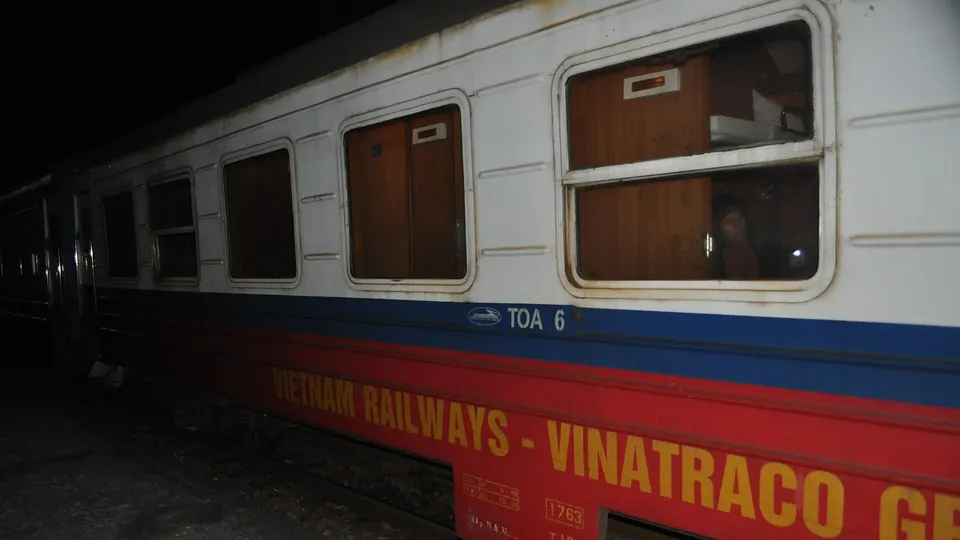
The October 2026 timetable. From 10 October 2026 Vietnam Railways added a third pair of trains, SP15/SP16, to the existing SP3/SP4 and SP7/SP8, Bao Lao Cai reported. VietnamPlus gave the times two days later (VietnamPlus):
| Direction | Train | Departs | Arrives |
|---|---|---|---|
| Hanoi → Lao Cai | SP15 | 21:45 | 05:20 next day |
| Hanoi → Lao Cai | SP3 | 22:00 | 05:50 next day |
| Hanoi → Lao Cai | SP7 | 22:40 | 06:27 next day |
| Lao Cai → Hanoi | SP16 | 21:25 | 05:15 next day |
| Lao Cai → Hanoi | SP4 | 21:50 | 05:40 next day |
| Lao Cai → Hanoi | SP8 | 12:05 | 19:30 same day |
The new timetable also cut the number of stops: passengers can board or leave only at eight stations, among them Hanoi, Gia Lam (Gia Lâm) on the east bank of the Red River, Yen Bai (Yên Bái) and Lao Cai. SP8 is the only daytime train back to Hanoi, useful if you would rather see the Red River valley than sleep through it.
Who rides it. Mostly foreign visitors: Lao Cai station counted nearly 120,000 passengers in the first eight months of 2025, almost 80% of them international, Bao Lao Cai reported, and on 1 January 2026 one SP3 alone brought nearly 400 passengers, about 300 of them from abroad, Bao Van Hoa reported. That is why berths go early on Friday and Saturday nights.
Berths and fares. For a night journey book a berth, not a seat. When the line reopened after the September 2024 storm, the railway quoted fares of 280,000 to 420,000 dong per trip depending on class, date and direction; VietNamNet gave 300,000 to 500,000 dong in December 2024. Since 1 May 2026 Vietnam Railways has priced tickets flexibly, and in May 2026 Bao Lao Cai reported cuts of 20 to 25% on Hanoi–Lao Cai tickets under the new system, so the fare for your date may differ from these figures. Booking sites also sell cabins under private brand names; the booking platform 12Go describes these as separate carriages attached to the same Vietnam Railways train, sold at their own prices, and Bao Lao Cai noted in 2025 that some premium tourist carriages have “modern sleeper compartments”. Whichever you choose, check on your ticket which train and carriage you are in.
Which Hanoi station? In the October 2026 timetable the trains still start at Hanoi Station, and northbound trains from there run through the stretch known as Hanoi Train Street before crossing the Red River. In January 2026 Hanoi asked the Ministry of Construction to make passenger trains from the north stop at Gia Lam instead, Tuoi Tre reported; no date has been set, but check the departure station on your ticket if you book far ahead.
How do you get from Lao Cai station to Sa Pa?
By road, about 35 km up the mountain on National Route 4D (Vietnam Airlines’ travel guide, checked November 2026). The train arrives around dawn, and the road leg takes roughly an hour.
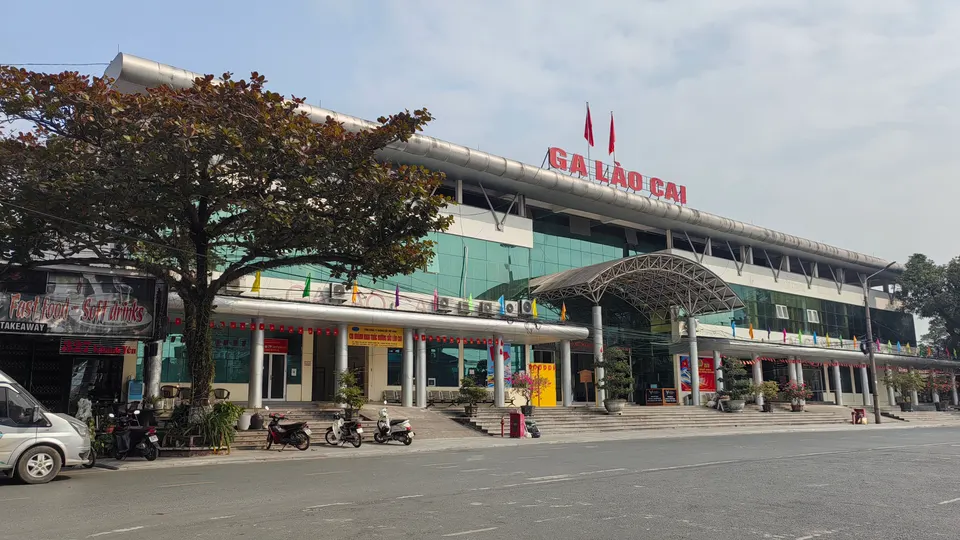
Your options at the station.
- The railway’s shuttle. When the line reopened in September 2024, Vietnam Railways sold a connecting bus from Lao Cai station to a stop within 2 km of the Stone Church in Sa Pa for 55,000 dong, which could be bought with the train ticket or online (Bao Lao Cai). Ask whether it is still offered when you book.
- A pick-up from your hotel or tour. Tour operators send minibuses to meet arriving trains and take guests up to Sa Pa, Bao Lao Cai reported in 2025. Ask your Sa Pa hotel whether it can arrange the same; send your train number.
- A taxi or shared minibus from outside the station. Agree the fare, and whether it takes you to your hotel door, before you load your bags.
Where you arrive. Since 1 July 2025 the six wards of the former Sa Pa town have formed a single Sa Pa ward, in a Lao Cai province that also absorbed the former Yen Bai province, under the National Assembly Standing Committee’s resolution on Lao Cai’s communes. Under rules in force since August 2022, coaches with more than 29 seats may not use 31 streets in central Sa Pa from 06:00 to 23:00 on Sunday to Thursday and at any time on Friday and Saturday, Dai bieu Nhan dan reported; the bus station is one of the town’s main coach parks. A van or taxi may be able to take you closer to your hotel; ask when you book.
Sleeper bus or limousine van: what is the difference?
Both use the same expressway and the same last climb, but they suit different trips. A limousine van is a small vehicle of a few large seats that usually picks you up at your hotel or a set point in Hanoi and drops you at your hotel or a set point in Sa Pa, according to Vietnam Airlines’ guide. A sleeper bus has two decks of reclining berths, runs by day and overnight, and is the cheapest way up.
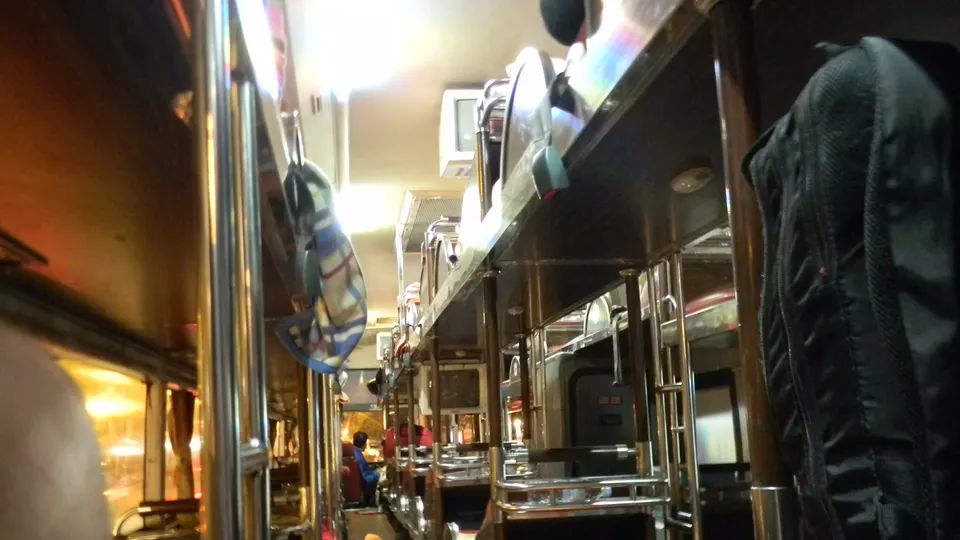
Where buses leave from. Coach operators running Hanoi–Sa Pa and Hanoi–Lao Cai services were based at My Dinh (Mỹ Đình) coach station in western Hanoi when Lao Cai’s transport department approved new routes from Giap Bat (Giáp Bát) and Nuoc Ngam (Nước Ngầm) stations in November 2024, Bao Lao Cai reported. Booking platforms such as 12Go note that many Hanoi–Sa Pa bus companies pick up in the Old Quarter and around Hoan Kiem Lake, so check the exact pick-up point on your booking, and the drop-off point in Sa Pa.
Times and fares. VietNamNet’s December 2024 guide put the limousine journey at 5 to 6 hours and about 450,000 dong one way, sleeper buses at a similar price, and double sleeper cabins at about 700,000 dong; a standard coach return was about 500,000 dong. Night buses arrive very early: one sample timetable in Vietnam Airlines’ guide leaves Hanoi at 22:00 and reaches Sa Pa at 04:00, long before most hotels let you check in.
Safety and regulation. Double-decker sleepers on mountain roads are under review. In January 2026 ministries broadly agreed to ban them from Class III and IV mountain roads after a transition period, with vehicle standards and a roadmap still to be issued (Znews); we found no reported start date by early November 2026. In the early hours of 18 October 2026 a sleeper bus carrying 20 passengers up to Sa Pa caught fire and burned out on National Route 4D, VietnamPlus reported; it gave no casualties. If you take a sleeper bus, choose an established operator, wear the seat belt and keep valuables and medicine in a small bag at your berth; our sleeper bus guide covers berth types, the 2026 rules and booking.
The Noi Bai–Lao Cai expressway: what it changes, and the roadworks
The road trip is as short as it is because of the Noi Bai–Lao Cai (Nội Bài–Lào Cai) expressway. When the 245 km road opened in September 2014, the government said it would cut Hanoi–Lao Cai from about seven hours to 3.5; the Hanoi–Yen Bai section had four lanes and a 100 km/h limit, the Yen Bai–Lao Cai section two lanes and 80 km/h, Tuoi Tre News reported.
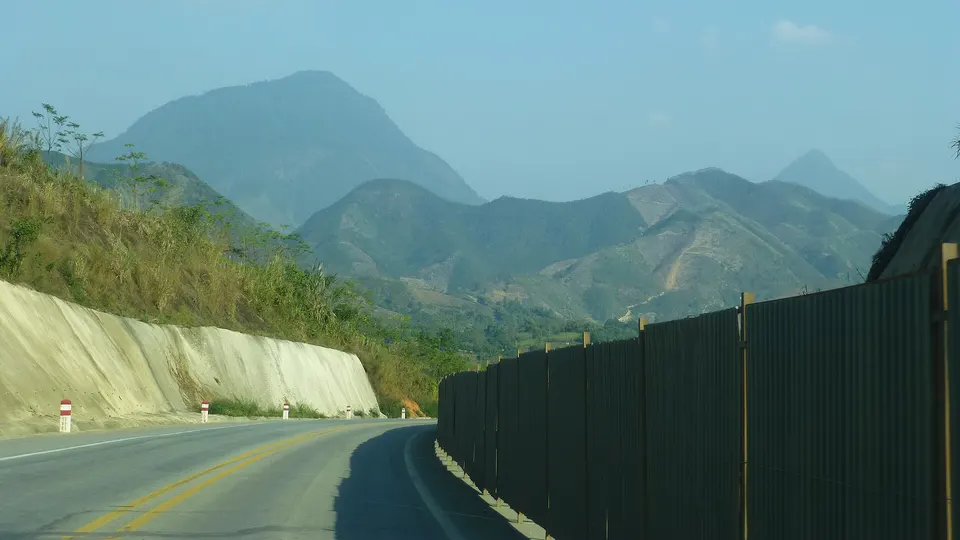
The upgrade now under way. The two-lane northern half is being widened. Tien Phong reported in July 2025 that the Yen Bai–Lao Cai section, about 121 km, would go from two to four lanes. Works began in October 2025, contract packages had reached more than 70% of plan by mid-October 2026, and the project’s managers aim to have the whole line basically open in 2026, with one contractor told to hand its section over by March 2027 (VOV). As of early November 2026 the managers were still pushing to finish the Yen Bai–Lao Cai section by the end of 2026, with the IC15 interchange about 80% built, Bao Lao Cai reported on 6 November 2026. Expect work zones on the northern section until then, and do not count on four-lane speeds yet.
The last climb. From the expressway, a 13.8 km link road opened in September 2023 joins National Route 4D; it includes Mong Sen (Móng Sến) bridge, described as Vietnam’s highest viaduct, Bao Dau Thau reported. The final stretch to Sa Pa is a winding mountain road; VietNamNet notes that the train, though slower, means less motion sickness. If you get carsick, take the train, which leaves only the last hour on this road.
When is the trip harder? Rain, landslides and Tet
Two things upset plans on this route more than anything else: heavy rain in the mountains and the Tet holiday.

Landslides on Route 4D. Heavy rain regularly brings earth and rock down on the road between Lao Cai and Sa Pa. On 1 July 2025 a slide near the Lao Cai–Sa Pa toll station cut the road completely for the morning, and at about 02:15 on 4 May 2026 a large rock mass blocked it in Ta Phin (Tả Phìn) commune, with traffic from Lao Cai diverted onto provincial road 155, Bao Lao Cai reported. Both were cleared within hours, and both came after days of heavy rain. Our Vietnam weather by month shows when the north’s rainy season peaks. Storms can also stop the trains: after Typhoon No. 3 (Yagi) and the floods of September 2024, passenger trains on the line were suspended until 23 September and then ran 30 to 60 minutes slower for safety, Bao Lao Cai reported.
Tet and holidays. For Tet 2027 the official public-sector holiday runs from Thursday 4 to Wednesday 10 February 2027 (Ministry of Home Affairs notice 11483/TB-BNV), and the railway’s Tet season runs from 23 January to 25 February; Tet tickets went on sale on 5 September 2026 through dsvn.vn, stations, agents and payment apps (Bao Van Hoa). The announcements we read concern the North–South line and do not mention extra Lao Cai trains, so expect the three regular pairs and book early. Our Tet 2027 travel guide explains what stays open over the holiday.
Weekends and the golden rice. Demand also rises on Friday and Saturday nights and in the golden-rice season, roughly September to November, as our Sa Pa guide explains; book berths and vans several days ahead then.
A step-by-step plan for the trip
This plan works for the most common case, a night train up and a day van down; swap legs to suit you.
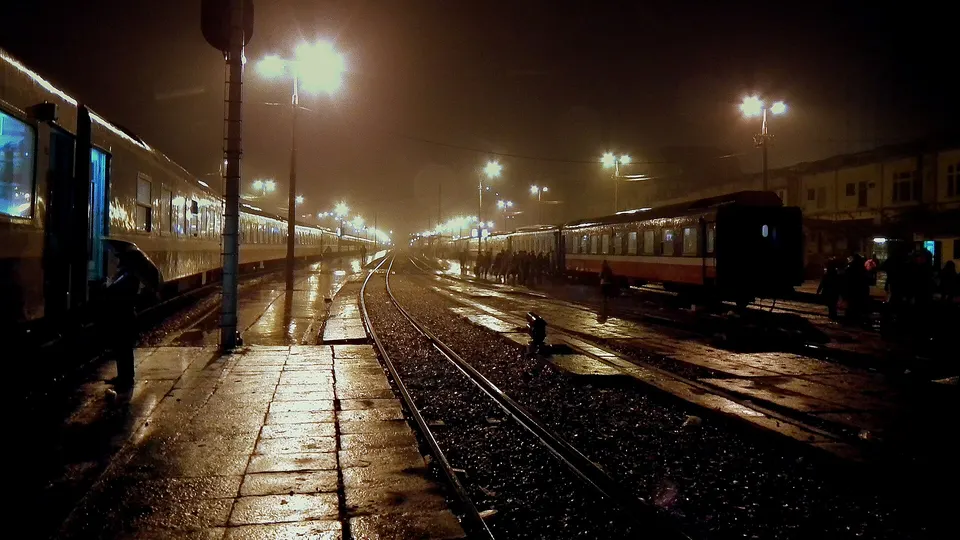
- Decide your arrival time first. A night train or night bus gets you to Sa Pa around dawn; a morning van around lunchtime. If you arrive at dawn, ask your hotel whether you can leave bags or check in early, or book the previous night.
- Book the train on dsvn.vn (English version available) or through a station or agent, and note the train number, carriage and berth. For a private-brand cabin, book through that company and check which train it is attached to.
- Book the onward leg at the same time: the railway shuttle if offered, your hotel’s pick-up, or a taxi at the station.
- Get to the station early. Allow time for Hanoi’s evening traffic, and if you have the choice of boarding at Hanoi Station or Gia Lam, pick the one nearer your hotel. Our guide to where to stay in Hanoi compares the main areas.
- Pack a small night bag with a warm layer, water, toilet paper and anything you need before you can open your main bag; Sa Pa mornings can be cold, and winters are cold and damp; our Vietnam in January guide has recent frost readings from the peaks above the town.
- On the way back, consider the day van or the SP8 day train, which leaves Lao Cai at 12:05 and reaches Hanoi at 19:30, if you want to see the valley.
- Give Sa Pa at least two nights. The journey takes most of a day or a night each way, so a single night in Sa Pa leaves almost no time there. Sa Pa is not a day trip; our comparison of day trips from Hanoi covers what is. A night-train arrival leaves the morning free for a first walk; our Sapa trekking guide explains which routes you can walk alone and when to hire a local guide. Keep one morning flexible for the Fansipan cable car, since the summit is often in cloud.
Common mistakes on the Hanoi–Sa Pa trip
Most problems on this route come from old information or a plan with no slack.
- Trusting an old timetable. Many guides still list trains at 21:35 or 22:00 arriving after 06:00; since 10 October 2026 there are three trains with different times. Check dsvn.vn for your date.
- Thinking the train goes to Sa Pa. It stops at Lao Cai; budget an hour and a fare for the road up.
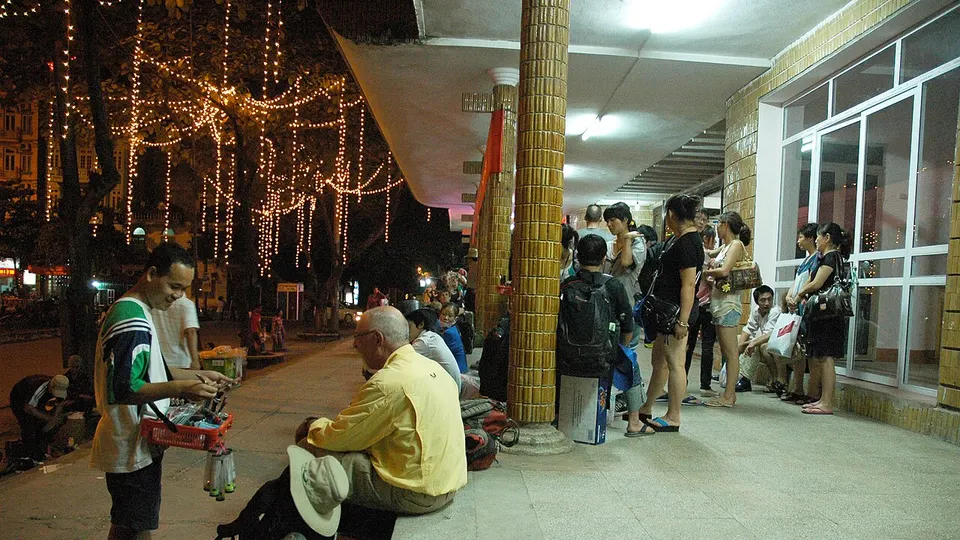
- Arriving at 4 am with nowhere to go. Night buses arrive in the small hours. If you take one, book that night’s room or an early check-in.
- Booking the last train or van before a flight. Landslides, storms and roadworks can add hours. Leave Sa Pa at least a day before an international flight from Noi Bai. Flying in? Our Noi Bai to Sa Pa guide covers the direct buses from the airport.
- Leaving Tet bookings late. Tet tickets for 2027 have been on sale since September 2026.
- Paying for a car without agreeing the details. Confirm the price, tolls, stops and the exact drop-off in Sa Pa in writing.
Before you book: a checklist
Run through this before you pay, and recheck times close to your date.
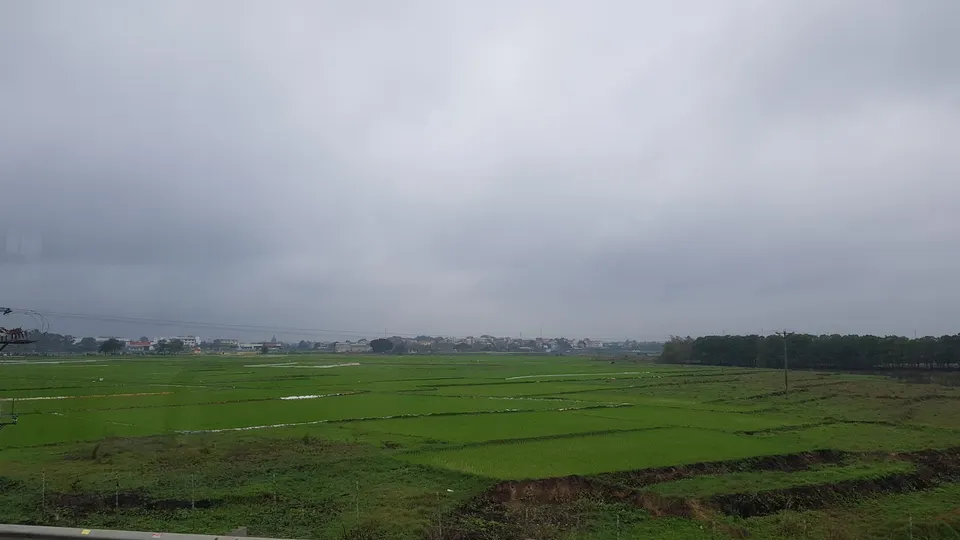
- Train times and seats: search Hanoi–Lao Cai for your date on Vietnam Railways’ site (Vietnam Railways); pick a berth for the night trains.
- Departure station: Hanoi Station or, if the planned change has happened, Gia Lam.
- The Lao Cai transfer: shuttle, hotel pick-up or taxi, booked or at least planned.
- Bus or van pick-up point in Hanoi and drop-off point in Sa Pa, in writing.
- Weather: in the rainy season, read the local news for Route 4D the day before and prefer daylight travel.
- Holidays: Tet (official holiday 4–10 February 2027), long weekends and the harvest season sell out first.
- Where next: if you are building a longer northern trip, our North Vietnam hub shows how Sa Pa fits with Hanoi, Ha Long Bay and Ha Giang.
Frequently asked questions
Which should I book from Hanoi to Sapa: the night train, a sleeper bus or a limousine van?
Book the night train from Hanoi Station to Lao Cai if you sleep reasonably on trains and want to arrive in the morning without paying for a hotel night; add about an hour by road from Lao Cai to Sa Pa. Book a daytime limousine van for the quickest door-to-door trip with hotel pick-up, and a sleeper bus only if price or last-minute availability matters most.
Is the Noi Bai–Lao Cai expressway still being widened?
Yes. As of early November 2026 the Yen Bai–Lao Cai section of the Noi Bai–Lao Cai expressway was still being widened from two to four lanes, with the project board aiming to finish by the end of 2026, Bao Lao Cai reported; expect work zones on the northern half of the drive to Sa Pa until then.
Does the train go all the way to Sa Pa?
No. Trains from Hanoi end at Lao Cai station, about 35 km from Sa Pa, and you continue by shuttle bus, minibus, taxi or a pre-booked car. In 2024 Vietnam Railways sold a 55,000-dong shuttle ticket to Sa Pa together with the train ticket.
Is the road to Sa Pa safe in the rainy season?
Usually it is open, but heavy rain causes landslides on National Route 4D between Lao Cai and Sa Pa, as on 1 July 2025 and 4 May 2026, when traffic was stopped or diverted for several hours. In the rainy months, travel by day if you can and keep your onward plans flexible.
Key sources
- Tuyến đường sắt Hà Nội - Lào Cai tăng lên 3 đôi tàu khách mỗi ngày, thêm lựa chọn cho du khách · Báo Lào Cai, 11 October 2026
- Đường sắt Hà Nội-Lào Cai tăng chạy tàu, giảm bớt số ga dừng đón trả khách · VietnamPlus (VNA), 12 October 2026
- Chạy lại tàu khách Hà Nội - Lào Cai từ ngày 23/9 · Báo Lào Cai, 23 September 2024
- Cao tốc Nội Bài – Lào Cai mở rộng tăng tốc về đích sau một năm thi công · VOV, 14 October 2026
- Vietnam's longest expressway opens, cutting Hanoi-Lao Cai travel time in half · Tuổi Trẻ News, 22 September 2014
- Siết quản lý xe khách giường nằm 2 tầng, tiến tới cấm trên đường miền núi · Znews, 27 January 2026
- Mở bán 300.000 vé tàu Tết Đinh Mùi 2027, giảm giá đến 20% · Báo Văn Hóa, 5 September 2026
- Vé tàu trực tuyến (online tickets and train search) · Vietnam Railways, checked 8 November 2026
All 24 sources and further reading
- Du lịch Sa Pa mùa mây với loạt ưu đãi lên đến 50% · VietNamNet, 14 December 2024
- Gỡ vướng mặt bằng, đẩy nhanh tiến độ nút giao IC15, cao tốc Nội Bài - Lào Cai · Báo Lào Cai, 6 November 2026
- Giảm 20 - 25% giá vé tàu tuyến Hà Nội - Lào Cai dịp hè 2026 · Báo Lào Cai, 6 May 2026
- Dự án mở rộng cao tốc Yên Bái - Lào Cai sẽ hoàn thành trong năm 2026 · Tiền Phong, 10 July 2025
- Thông xe toàn tuyến đường nối và cầu cạn cao nhất Việt Nam đi Sa Pa · Báo Đấu thầu, 23 September 2023
- Xe khách chở 20 người cháy rụi trong đêm trên đường lên Sa Pa · VietnamPlus (VNA), 19 October 2026
- Sạt lở đá chắn ngang quốc lộ 4D trong đêm, khẩn trương phân luồng qua tỉnh lộ 155 · Báo Lào Cai, 4 May 2026
- Sạt lở tại Trạm thu phí BOT Lào Cai - Sa Pa (Quốc lộ 4D) gây chia cắt giao thông · Báo Lào Cai, 1 July 2025
- Mở thêm tuyến xe vận tải khách từ Hà Nội đi Sa Pa · Báo Lào Cai, 28 November 2024
- Hà Nội đề xuất dừng chạy tàu qua tuyến 'cà phê đường tàu' để chỉnh trang, tái thiết phố cổ · Tuổi Trẻ, 6 January 2026
- Toàn văn Nghị quyết số 1673/NQ-UBTVQH15 sắp xếp các ĐVHC cấp xã của tỉnh Lào Cai năm 2025 · Government of Viet Nam (xaydungchinhsach.chinhphu.vn), 20 June 2025
- Nhộn nhịp khách quốc tế đến Lào Cai bằng đường sắt · Báo Lào Cai, 31 August 2025
- Lào Cai đón khách “xông đất” năm mới 2026 bằng tàu hoả · Báo Văn Hóa, 1 January 2026
- Từ 21.8, Sa Pa cấm xe khách và xe tải lưu thông ở nhiều tuyến đường · Đại biểu Nhân dân, 16 August 2022
- Hanoi to Sapa (bus, van and train listings) · 12Go, checked 8 November 2026
- Hà Nội đi Sa Pa (travel guide) · Vietnam Airlines, checked 8 November 2026
Keep exploring
 North Vietnam · Travel Sa Pa (Sapa): When to Go, How Many Days and What to See Sa Pa (Sapa) trip planner: when to see golden or flooded rice terraces, how many days to stay, which Hmong and Dao villages to visit, and Fansipan in brief.
 North Vietnam · Travel Sapa Trekking: Do You Need a Guide, and Which Route? Do you need a guide to trek in Sapa? What the rules say, which walks you can do alone, a route table from Cat Cat to Ban Ho, fees, seasons and safety.
 North · Central · South · Travel Getting Around Vietnam in 2026: Plane, Train, Bus or Grab How to get around Vietnam in 2026: plane vs train vs sleeper bus by route, Grab vs Green SM (Xanh SM), Long Thanh airport and motorbike licence rules.
 North Vietnam · Travel Hanoi: How Many Days, What to See and When to Go Hanoi travel guide for 2026: how many days and where to stay, Noi Bai airport, walking-street hours, the new low-emission zone, Train Street and where to eat.
 North · Central · South · Travel Tet 2027 in Vietnam: When to Travel and What's Open Travelling at Tet 2027 (4–10 Feb): when to book trains and flights, fares as of November 2026, Long Thanh airport, and what stays open in Hanoi, Hue and Saigon.