North Vietnam · Travel
Sapa in December and January: How Cold, and What to Pack
Sapa in December and January 2026–27: how cold the town and Fansipan get, how rare snow is now, the warm-winter forecast, Tet dates and what to pack.
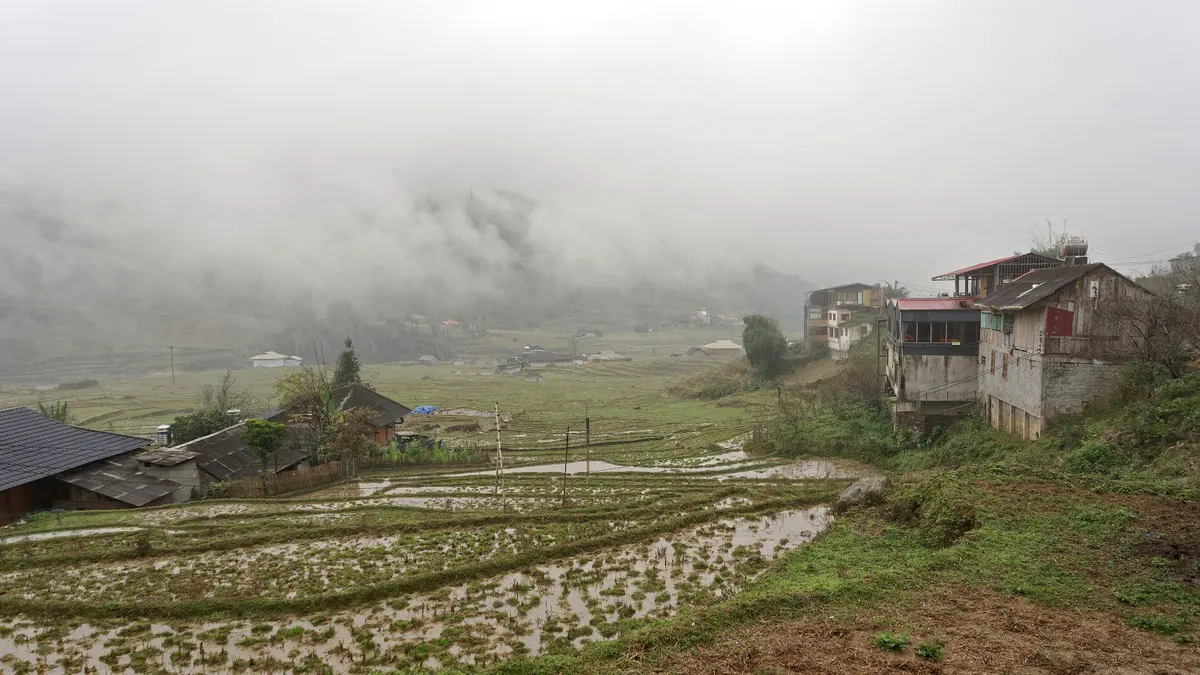
Sapa in December and January is cold, foggy and mostly dry: Lao Cai (Lào Cai), the city below it where the night train arrives, averages about 21 °C by day and 15 °C at night in December, Sa Pa town at about 1,600 m is several degrees colder, and the summit of Fansipan is usually 7–10 °C colder again. As of 16 November 2026, the national forecasting centre expects December 2026 to February 2027 to run 1–2 °C warmer than average, with fewer days of severe cold but short, sharp cold spells still possible (Suc khoe & Doi song). Snow in town is rare; frost and ice on the peaks are not.
This page is about the cold months only: how cold it really gets, how likely snow is, what is on between Christmas and Tet 2027, and what to pack. For the villages, terraces and a two- or three-day plan in any season, start with our Sa Pa guide. Since 1 July 2025 the former Yen Bai province has been merged into Lao Cai province, and Sa Pa is now a ward of the new Lao Cai.
Sa Pa in December, January and February at a glance
The figures for Lao Cai city are the 1991–2020 averages that Vietnam’s weather service publishes through the World Meteorological Organization; there is no official long-term series for Sa Pa town itself, so the Sa Pa column describes conditions from the dated reports cited on this page.
| December | January | February | |
|---|---|---|---|
| Lao Cai city average (WMO) | 21/15 °C, 34 mm, about 6 rainy days | 20/15 °C, 40 mm, about 9 rainy days | 22/17 °C, 24 mm, about 9 rainy days |
| Sa Pa town | Cold, often foggy; frost on the peaks | The coldest weeks; around 5 °C in fog on 7 January 2026 | Still cold and misty; warming late in the month |
| Fansipan summit | Below 0 °C on the coldest mornings; first snow of last winter on 18 December 2025 | Fell to about −3 °C with ice on 7 January 2026 | Snow 60 cm deep on 9 February 2021, a rare event |
| What is on | Christmas programme and New Year countdown (31 December, from 8 pm) | Welcome for the first international visitors on 1 January 2027 | Tet holiday 4–10 February 2027; spring blossom begins |
| Suits | Travellers who want the festive end of the year | Travellers who want quiet trails and pack for real cold | Travellers who book Tet early or come after it |
The short decision: for clear cold days and festive streets, go in mid to late December; for the coldest, most atmospheric weeks with no big holiday, go in January after New Year; avoid the Tet week of 4–10 February 2027 unless your transport and room are booked. Our guides to Vietnam in December and Vietnam in January set Sa Pa against the rest of the country in the same weeks.
How cold is Sa Pa in December and January?
Cold enough to need a real winter jacket, especially at night and indoors. In the 1991–2020 averages, Lao Cai city’s coolest month is January, at about 20 °C by day and 15 °C at night (WMO), and Sa Pa town sits far higher, at about 1,600 m, in cloud much of the time.
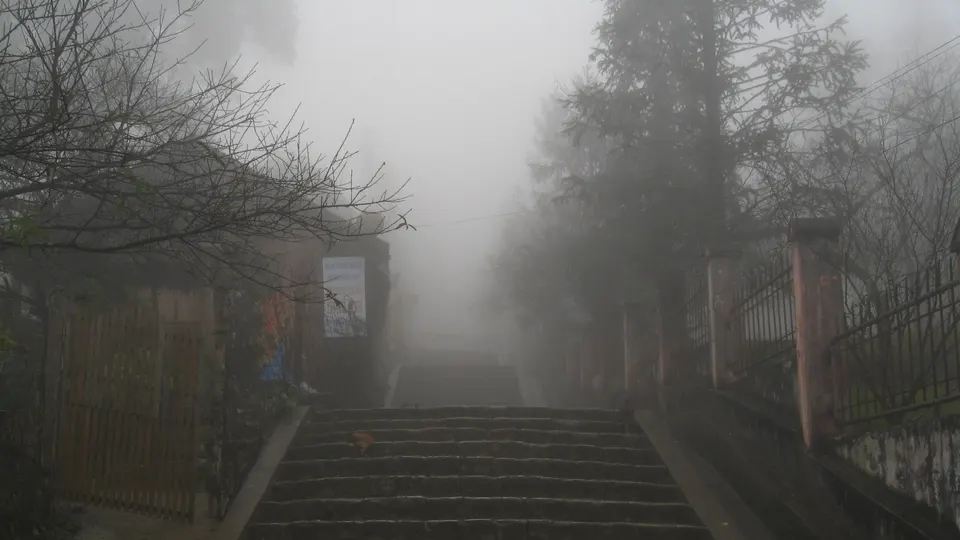
Three levels of cold. Think of the trip as three climates stacked on top of each other:
- Lao Cai city, where the train and many buses arrive: mild by day, cool at night.
- Sa Pa town and the valley villages: cold and damp; on 7 January 2026, during a severe cold spell, Bao Lao Cai (Báo Lào Cai) reported about 5 °C in the town at dawn, with thick fog.
- Fansipan summit, at 3,143 m: the cable car operator says it is usually 7–10 °C colder than central Sa Pa, and it can fall below freezing from December to February. On the same morning, 7 January 2026, the summit fell to about −3 °C, and ice coated trees, railings and buildings.
Fog more than rain. Vietnam’s national tourism authority describes Sa Pa from December to March as chilly, misty and cloudy, and much cooler than the rest of the country from late December. In Lao Cai’s records December is the driest of the three months, with about six rainy days, while January and February each have about nine.
This winter’s outlook. On 16 November 2026 the National Center for Hydro-Meteorological Forecasting said cold air would be weaker than usual from December 2026 to February 2027, with severe cold arriving later and on fewer days than normal in the North, but with short cold spells that can drop temperatures sharply. A warmer-than-average winter still means near-freezing nights on the peaks, so pack for the cold spell, not the average.
Will it snow in Sapa this winter?
Probably not in town. Ice on the Fansipan summit is common in cold spells, but snow has become rarer, thinner and harder to predict. On 18 December 2025 the first snow of last winter fell on the summit for about five minutes, at 1–2 °C, and melted quickly (VTC News).
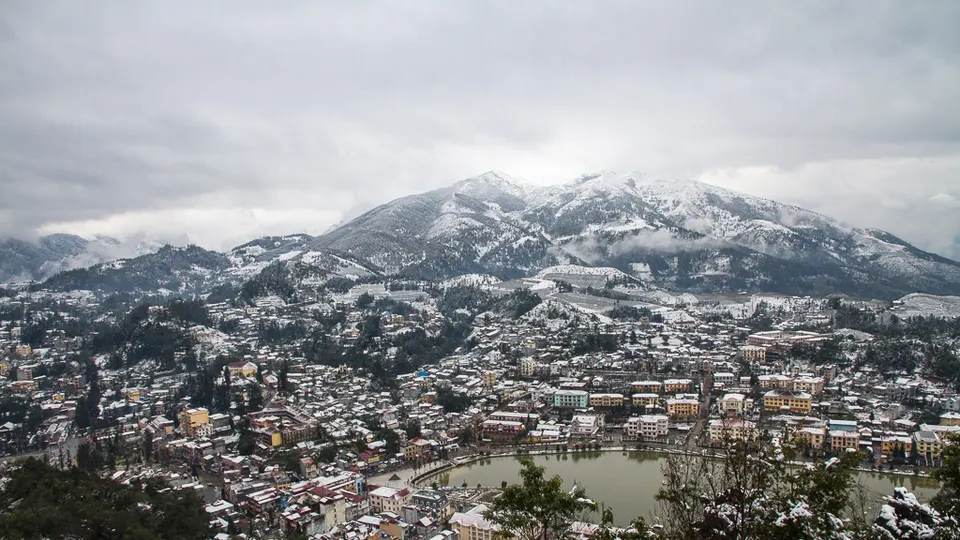
The snow record. VTC News listed the big snow events in January 2026: snow in Sa Pa town on 19 December 2014 and at dawn on 24 January 2016, in the winter when the Sa Pa station recorded −4.2 °C, its lowest since records began in 1956; and snow 60 cm deep on the summit of Fansipan on 9 February 2021, at −3 °C. On 31 January 2018 snow began on Fansipan at 8 am and spread to Sa Pa town, where the temperature had fallen to 1.2 °C, Tuoi Tre News reported.
Why it is rarer now. The number of days below 0 °C around Sa Pa has fallen clearly over the past two decades, and the meteorologist quoted by VTC links Sa Pa’s snow to strong La Nina (La Niña) years. This winter runs the other way: with El Nino (Niño) under way, the forecasting centre expects a warmer-than-average winter.
What it means for you. Book Sa Pa for the cold, clear and misty mountains, not for snow. If a cold spell is forecast during your stay, the best chance of ice is on the Fansipan summit and the high road over the O Quy Ho (Ô Quy Hồ) pass at dawn; in town, expect frost at most.
What is on in winter 2026–27: blossom, Christmas, New Year and Tet
The festive season runs from late November to Tet, and Sa Pa’s ward government has published its plan. A cultural week, “Sa Pa tinh hoa hoi tu”, is set for 21–24 November 2026 at San Quan square, followed by Christmas decorations, performances and “winter experiences”, a New Year countdown from 8 pm on 31 December 2026 at the same square, and a welcome for the first international visitors of 2027 on the morning of 1 January (Dai Bieu Nhan Dan). These are announced as plans, published on 31 October 2026, so check the final programme nearer the date.
Last winter’s pattern. In 2025–26 the town ran a winter festival from 25 October 2025 to 14 February 2026, with a mountain-bike race, night shows, the New Year countdown and a first-visitors welcome, Bao Lao Cai reported, so expect events to continue into the run-up to Tet.
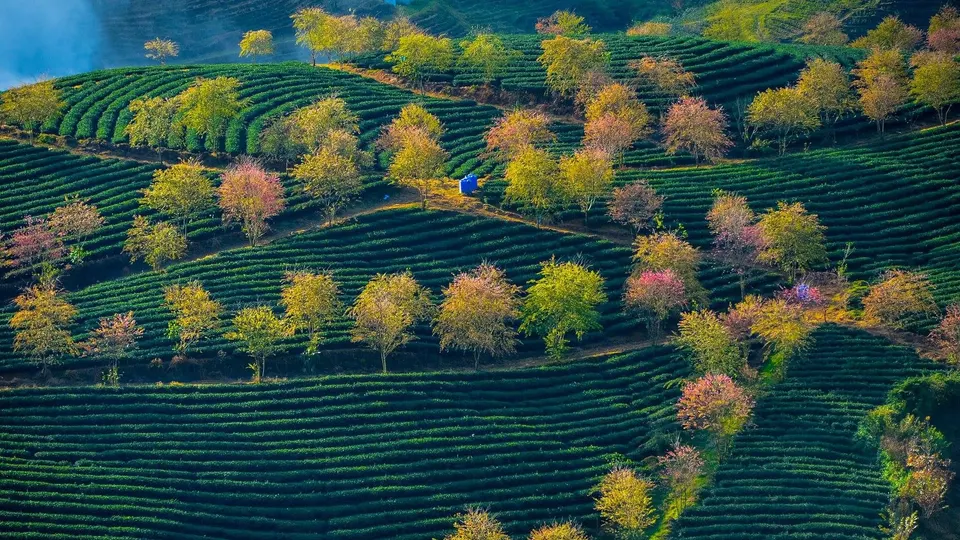
Cherry blossom: the famous tea hill is gone. Wild Himalayan cherry (mai anh dao (mai anh đào)) flowers around Sa Pa from late November into the new year; Bao Lao Cai called December to early January the time to see it in 2025. But the most photographed spot, the oolong tea hill on the road towards O Quy Ho, closed to visitors in early December 2025, and more than a thousand of its cherry trees were dug up to clear the site for an eco-urban project, VnExpress reported on 10 December 2025. Construction of the 29.3-hectare EcoSapa project began on 29 April 2026, Nong nghiep va Moi truong reported. Guides written before then still send visitors there. Cherry trees also grow elsewhere around Sa Pa, so the blossom has not disappeared, but the long rows across the tea hill have.
Tet 2027. Lunar New Year’s Day falls on 6 February 2027, and the official holiday runs from 4 to 10 February, according to the Interior Ministry notice of 9 October 2026. Our Tet 2027 travel guide explains what closes and how full trains and buses get; if February is your only window, see Vietnam in February for the rest of the country.
Trekking in the cold: what changes on the trails
Winter is a good trekking season if you dress for it. Lao Cai’s records show 24–40 mm of rain a month from December to February, against more than 300 mm in July and August, so paths are far drier than in summer, and the terraces lie bare after the harvest.
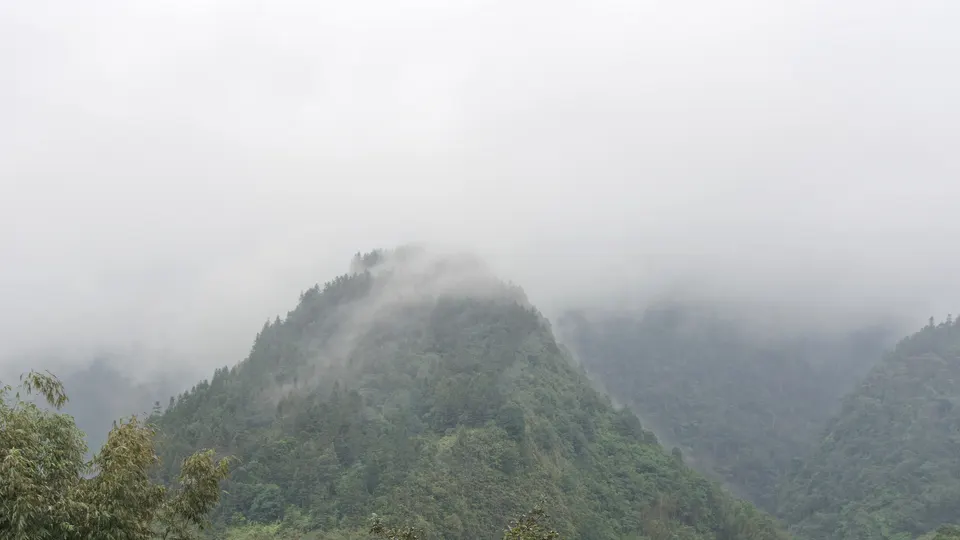
What is different. Fog can hide the views for hours, so treat views as a bonus and choose routes for the villages rather than the panoramas. In the coldest spells, Lao Cai’s authorities advise residents and visitors to follow the weather news and avoid dangerous areas, as Bao Lao Cai reported on 7 January 2026; on a trek that means turning back on icy or very wet sections rather than pushing on. Days are short, so start in the morning and be back before dark.
Choosing a walk. The short Cat Cat walk and the classic Lao Chai to Ta Van (Tả Van) valley walk follow well-used paths, which makes them the easiest choices on a foggy day. For longer, quieter routes such as Ta Phin and Ban Ho, our Sapa trekking guide explains when you need a guide and compares the routes.
Homestay nights. Nights are the coldest part of a winter trek. The national tourism authority notes that hotels in the area have heated blankets and that local spas offer herbal baths to warm up; if you need a heater or electric blanket in a homestay, ask when you book rather than assuming it.
Is the Fansipan cable car worth it in winter?
Yes, on a clear morning, and only with warm clothes. In winter the cloud often sits below the summit, which gives the sea of clouds that people come for, but the weather can change within minutes and the summit is the coldest point of the trip.
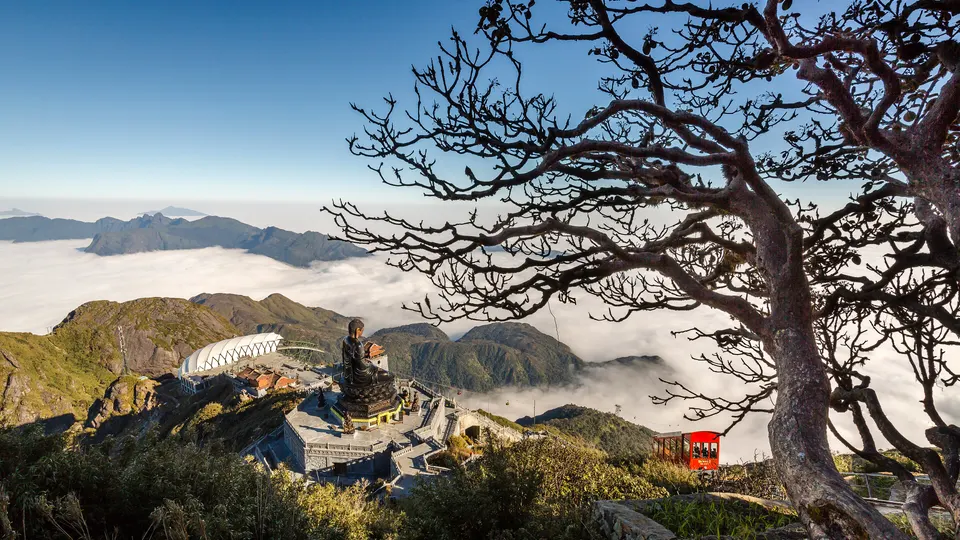
Plan for it. The operator’s 2026 guide says Fansipan shows thick fog in winter and can fall below 0 °C, with frost or snow at times, and it advises checking the forecast two or three days ahead and bringing gloves, a scarf, a wool hat, a thick jacket and shoes that do not slip (Sun World). The last stretch to the summit marker is a long flight of stone steps, slippery when iced.
Timing. Go early on the clearest day of your stay, and keep a second day free in case the first is in cloud. Our Fansipan guide has the current ticket prices, opening hours and the cable car versus the two-day climb.
Getting to Sa Pa in a cold spell
The road up from Lao Cai, National Highway 4D, is where winter weather matters most. On 4 February 2026 Bao Lao Cai reported dense fog along the Lao Cai–Sa Pa stretch, with visibility at times down to a few metres, and traffic police on duty around the clock to guide drivers (Bao Lao Cai).
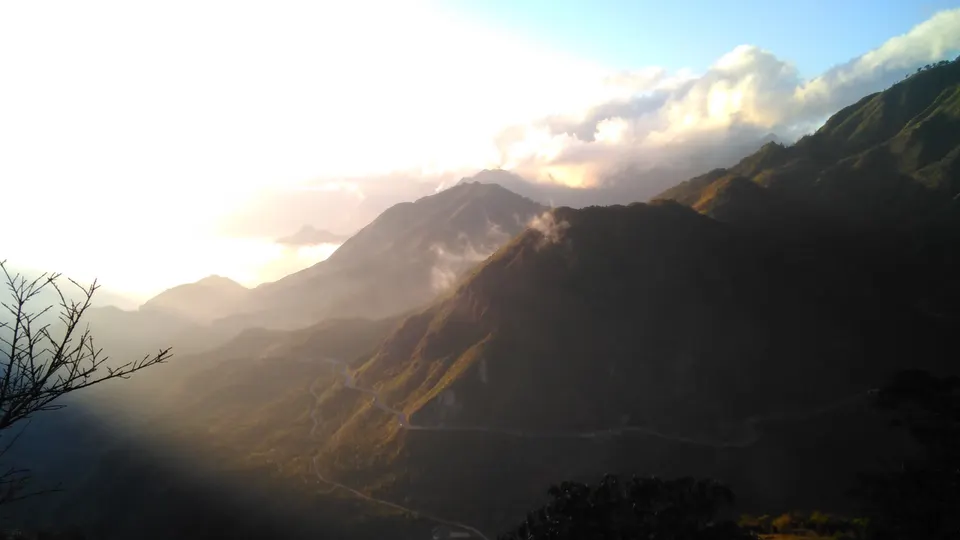
Ice above Sa Pa. Beyond the town the same highway climbs over the O Quy Ho pass towards Lai Chau. On 21 February 2022, after temperatures fell below 0 °C, ice formed on the pass, with a thin layer on the road surface, and police patrolled the summit to warn drivers, VOV reported. If you plan to drive over the pass or to the Silver Waterfall in a cold spell, go in daylight and turn back if the road is icy.
Which way up. The night train to Lao Cai plus a road transfer avoids the mountain road at night; limousine vans and buses take about 5 to 6 hours from Hanoi by the Noi Bai–Lao Cai expressway. VnExpress advises drivers to check tyres, brakes and lights before winter trips and to leave Hanoi by about 12:30 so they reach the climb to Sa Pa before dark. Our guides to getting from Hanoi to Sa Pa and from Noi Bai airport to Sa Pa compare trains, vans and buses, and around Tet book them early. Hanoi itself is much milder in the same weeks; our Hanoi in winter guide covers the city’s cold, drizzle and smog days.
What to pack for Sa Pa in winter, and why
Pack for near-freezing mornings, damp fog and muddy paths, even in a warm winter. Vietnam Airlines’ travel guide recommends warm jackets, insulated layers and waterproof boots for the northern winter, especially in Sa Pa and Ha Giang, and lists the northern mountains as cold and cloudy in December and January (Vietnam Airlines).
| Item | Why you need it in Sa Pa |
|---|---|
| Warm insulated jacket (down or synthetic) | Town mornings around 5 °C in cold spells; the summit can be below 0 °C |
| Thermal base layer and a fleece | Rooms and homestays are often unheated; layers let you adjust between valley and summit |
| Gloves, wool hat and scarf | The Fansipan operator lists them for winter visits |
| Waterproof walking shoes with grip | Drizzle, fog and wet clay paths; iced steps on Fansipan |
| Light rain jacket or poncho | Fog and drizzle soak through ordinary clothes on a trek |
| Thick socks and a spare pair | Wet feet are what make a cold trek miserable |
| Torch or headlamp | Short days, fog and dark village paths after 5 pm |
Before you go: a winter checklist.
- Check the national forecast the week before for a cold spell; it changes what you pack, not whether you go.
- Book rooms for 31 December and for the Tet week (4–10 February 2027) well ahead, and ask whether rooms have heating or electric blankets.
- Plan Fansipan for your clearest morning and keep a spare day.
- Do not plan the trip around snow, or around the cherry trees on the old tea hill.
- Travel up the mountain road by day, or take the night train and transfer in the morning.
For the whole of the North in the cold months, our North Vietnam hub and Vietnam weather by month guide help you place Sa Pa in a longer route.
Frequently asked questions
How cold is Sapa in December and January?
Cold and damp: Sa Pa town was about 5 °C in dense fog at dawn on 7 January 2026 while the Fansipan summit fell to about −3 °C. Lao Cai city, below Sa Pa, averages about 20–21 °C by day and 15 °C at night in these months.
Will it snow in Sapa in winter 2026–27?
Unlikely. Snow in Sapa has become rare and is linked to strong La Nina years, while the forecasting centre expects a warmer-than-average El Nino winter from December 2026 to February 2027; ice on the Fansipan summit is much more likely than snow in town.
Is Sapa worth visiting in January?
Yes, if you pack for real cold and want quiet, misty mountains rather than golden rice. January is the coldest month, the terraces are bare after the harvest, and clear mornings can bring a sea of clouds below the Fansipan summit.
Do hotels in Sapa have heating in winter?
Vietnam's national tourism authority says hotels in the Sapa area have heated blankets and that local spas offer herbal baths to warm up. Village homestays vary, so ask about heaters or electric blankets when you book.
Can I still see cherry blossom on the Sapa tea hill?
Not the famous rows: the oolong tea hill near O Quy Ho closed to visitors in early December 2025 and more than a thousand cherry trees were dug up for the EcoSapa urban project, which broke ground on 29 April 2026. Cherry trees elsewhere around Sapa still flower from late November into January.
Key sources
- Miền Trung khả năng còn nhiều đợt mưa lớn từ nay đến tháng 12 · Sức khỏe & Đời sống, 16 November 2026
- Lao Cai: climatological information (1991–2020) · World Meteorological Organization / Viet Nam Meteorological and Hydrological Administration
- Tuyết Sa Pa dần biến mất trong vòng xoáy biến đổi khí hậu · VTC News, 5 January 2026
- Sa Pa: Tổ chức chuỗi hoạt động văn hóa, du lịch đặc sắc chào đón năm mới 2027 · Đại Biểu Nhân Dân, 31 October 2026
- “Bỏ túi” cẩm nang du lịch Fansipan từ A đến Z chi tiết nhất 2026 · Sun World Fansipan Legend
- Cần cẩn trọng khi tham gia giao thông trong sương mù · Báo Lào Cai, 4 February 2026
- Seasons in Vietnam · Vietnam Airlines travel guide
- Tết Nguyên đán 2027, công chức, viên chức được nghỉ 7 ngày liên tục · Hà Tĩnh provincial portal, 9 October 2026
All 18 sources and further reading
- Weather and climate in Vietnam · Vietnam National Authority of Tourism (vietnam.travel)
- Nhiệt độ xuống −3 độ C, đỉnh Fansipan xuất hiện băng tuyết · Báo Lào Cai, 7 January 2026
- Snow blankets Vietnam's Sa Pa (photos) · Tuổi Trẻ News, 1 February 2018
- Hơn nghìn gốc mai anh đào ở Sa Pa bị di dời khiến khách tiếc nuối · VnExpress, 10 December 2025
- Khởi công Khu đô thị sinh thái Đồi chè Ô Quý Hồ Sa Pa · Nông nghiệp và Môi trường, 29 April 2026
- Rực rỡ sắc hoa mai anh đào tuyệt đẹp ở Sa Pa · Báo Lào Cai, 8 December 2025
- Nhiều hoạt động đặc sắc, hấp dẫn trong khuôn khổ Lễ hội Mùa Đông Sa Pa năm 2025 gắn với các sự kiện chào năm mới 2026 · Báo Lào Cai, 24 October 2025
- Du khách thích thú ngắm băng giá trên đỉnh đèo Ô Quy Hồ · VOV, 21 February 2022
- Kinh nghiệm du lịch Sa Pa 2026 từ A-Z · VnExpress (travel handbook)
- Resolution 202/2025/QH15 on the reorganization of provincial-level administrative divisions · National Assembly of Vietnam, 12 June 2025 (LuatVietnam English)
Keep exploring
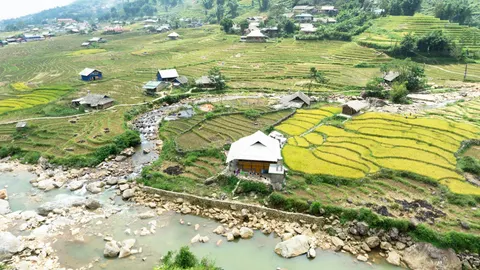 North Vietnam · Travel Sa Pa (Sapa): When to Go, How Many Days and What to See Sa Pa (Sapa) trip planner: when to see golden or flooded rice terraces, how many days to stay, which Hmong and Dao villages to visit, and Fansipan in brief.
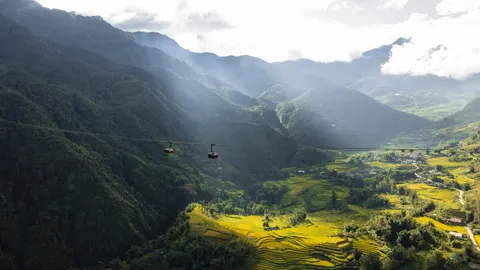 North Vietnam · Travel Fansipan Cable Car or Hike? 2026 Prices and Best Time Fansipan cable car or hike? As of November 2026: 850,000 dong return, open 07:30-17:00, clear-morning tips, summit cold and the two-day guided climb.
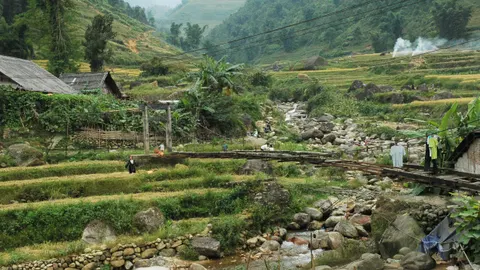 North Vietnam · Travel Sapa Trekking: Do You Need a Guide, and Which Route? Do you need a guide to trek in Sapa? What the rules say, which walks you can do alone, a route table from Cat Cat to Ban Ho, fees, seasons and safety.
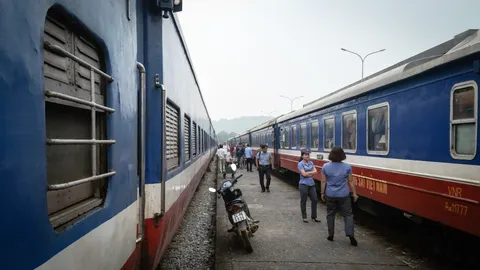 North Vietnam · Travel Hanoi to Sapa: Train, Sleeper Bus or Van – Which to Book? Hanoi to Sapa as of November 2026: night train to Lao Cai, sleeper bus, limousine van or car compared by time and fare, plus the transfer, road works and Tet.